Top 5 Reasons to Choose a Grease Gutter

Top 5 Reasons to Choose a Grease Gutter

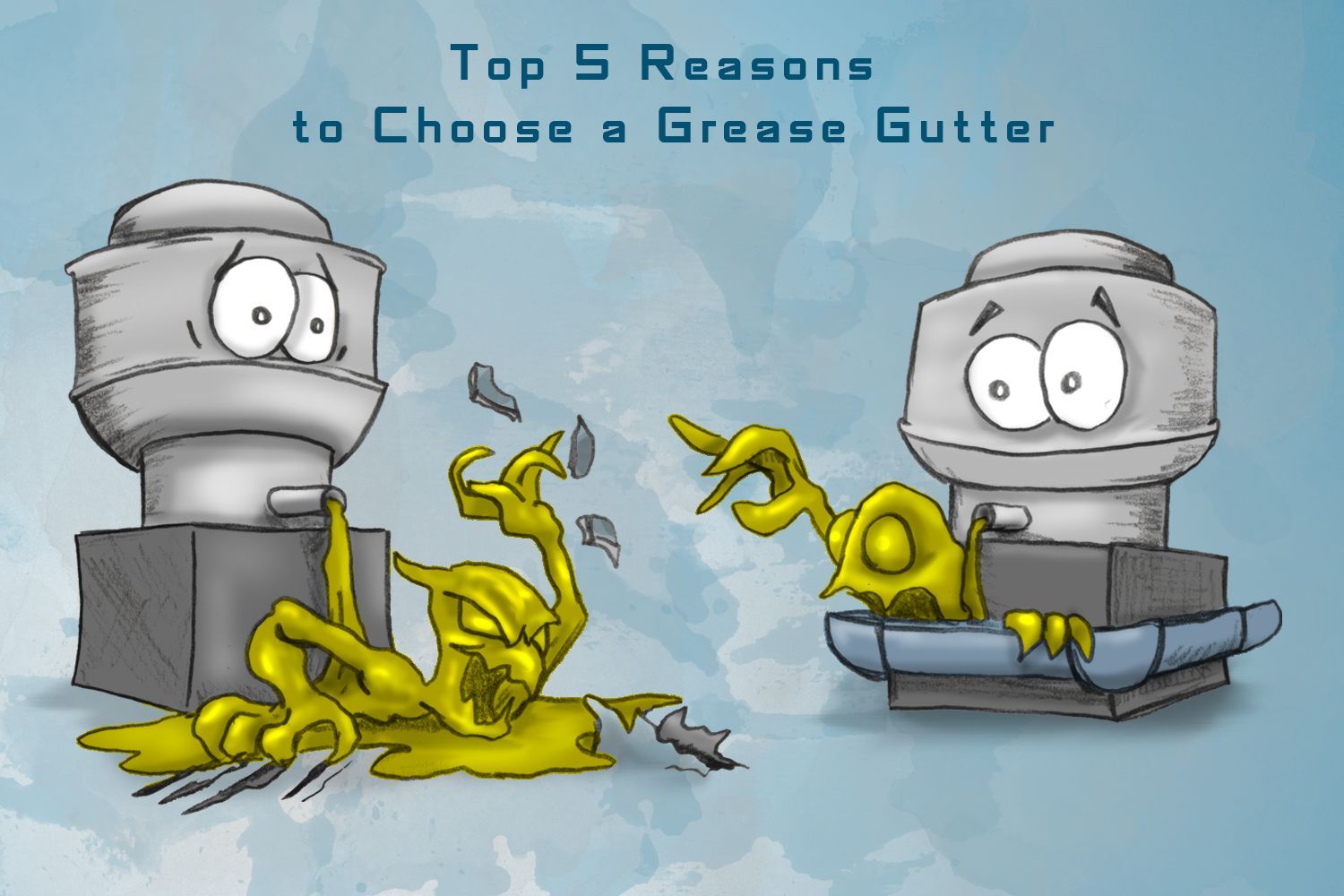
Your main goal as a commercial restaurant owner or manager should be to keep your property, team, and customers safe. Omni Containment Systems was born out of the same purpose. We strive to create products that help our customers remain safe and compliant with the industry codes and standards. Our Grease Gutter was designed to minimalize effort and keep people/property safe. One of our highest capacity designs, the Grease Gutter is necessary for any rooftop grease containment system that can fit it.

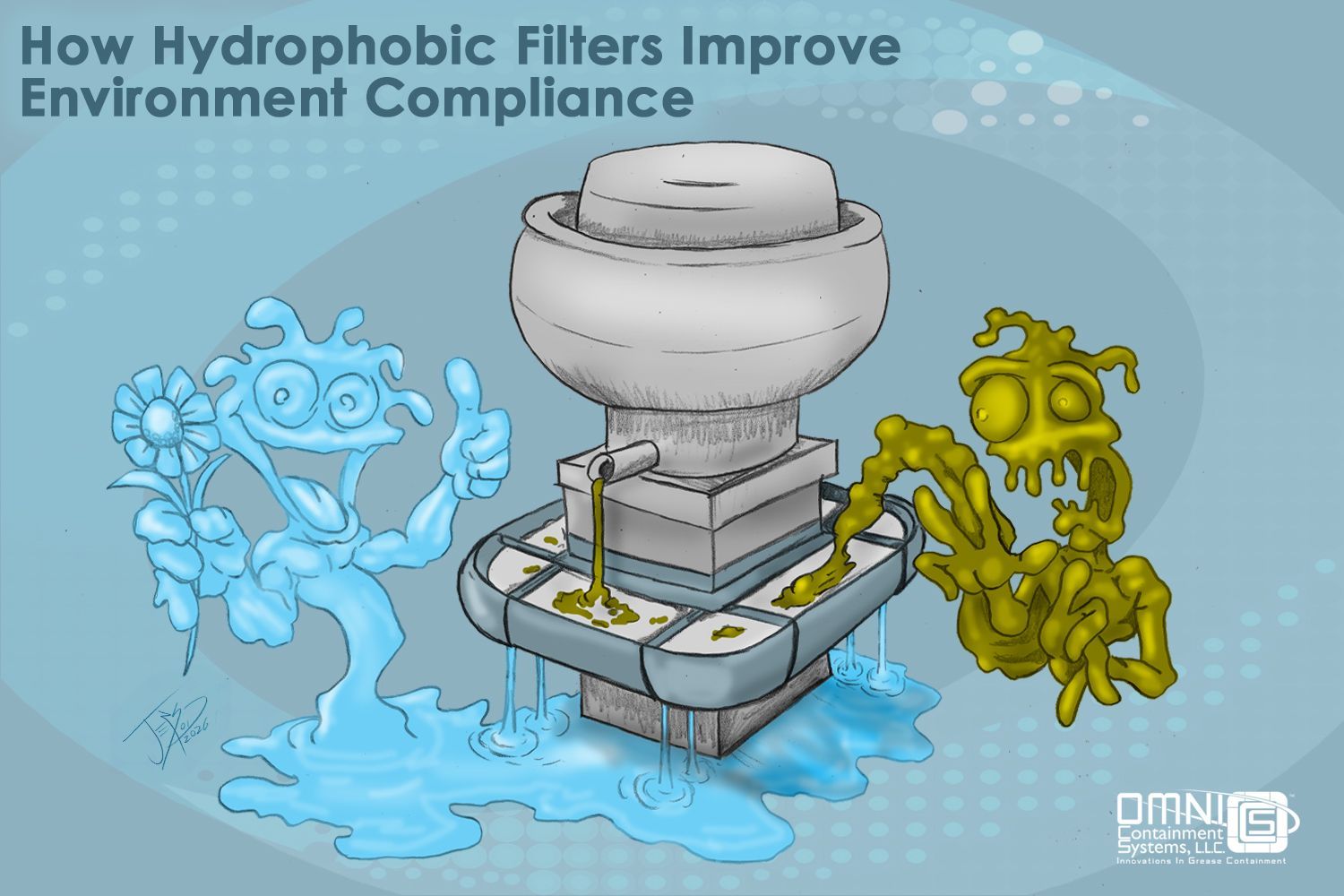
It’s a 360-degree design , intended to replace the factory grease catch system provided during initial installation of the rooftop exhaust fan. Don’t worry if your fan doesn’t have room for a 360-degree design! We created the Grease Gutter Sidekick for fans where a 360-design won’t fit. Both Grease Gutters have a hydrophobic grease collection filter. It is specially designed to allow water and moisture to pass through while retaining fats, oils, and grease (FOGs) only. It can hold up to ten times its weight in FOGs. This, and the five reasons below, are why you need a Grease Gutter protecting your roof.

Off The Roof®

The Grease Gutter offers Off The Roof® protection. Other grease guards can often be found touching the roof, meaning that servicing professionals can miss a lot of the mess. Grease guards that touch the roof can have hidden contact damage, leak onto roofs, and are all around harder to clean. Our Off The Roof® protection ensures that your roof will be protected while making clean up a breeze. Plus, it’s compact so you don’t have to worry about it being too heavy or bulky for your fan to handle.

High Capacity

The Grease Gutter is our highest grease capacity design. The 360-degree protection gives plenty of room for our hydrophobic filter to retain as much grease output as your fan needs. We specially designed it for high grease discharge applications. This is great for our customers because it means two things: 1) They don’t have to replace the filter as often as if they had a smaller grease receptacle and 2) it lowers their cost as they don’t have to buy as many filters.

No Waste

The Grease Gutter’s hydrophobic filter is absolutely zero waste. It is made of biodegradable and recycled materials, meaning it won’t sit in a landfill for the remainder of its life. It can also become one-hundred percent fully saturated with FOGs, leaving no extra room for water or unsaturated filter. This gives our customers the most bang for their buck while saving on supplies. The filter meets EPA Storm Water Management requirements by absorbing all FOG output and no water.

Easy to Replace

Once the Grease Gutter is attached properly to the fan, the rest is smooth sailing. Replacing the high capacity filter in the system as needed is a breeze. Typically, a kitchen exhaust cleaning service company can replace the filters for commercial kitchen owners.

The NFPA 96 states:

11.4 – Inspection for Grease Buildup. The entire exhaust system shall be inspected for grease buildup by a properly trained, qualified, and certified company or person(s) acceptable to the authority having jurisdiction.

11.6.1 – Upon inspection, if the exhaust system is found to be contaminated with deposits from grease-laden vapors, the contaminated portions of the exhaust system shall be cleaned by a properly trained, qualified, and certified company or person(s) acceptable to the authority having jurisdiction.

All that’s needed is removing the old filter and adding a new one! Nothing comes undone, is taken apart, or needs to be put back together.

Fire Resistant

To adhere to NFPA 96 standards, we designed the Grease Gutter to assist an exhaust system in attaining NFPA 96 compliance (provided all other components of the system are compliant and correctly installed). We made it fire resistant to help protect the roof and fan. Below are some NFPA 96 standards that the Grease Gutter adheres to:

7.8.2.1 Rooftop termination shall be arranged with or provided with the following:

(4) The ability to drain grease out of any traps or low points formed in the fan or duct near the termination of the system into a collection container that is noncombustible, closed, rainproof, and structurally sound for the service to which it is applied and that will not sustain combustion

(5) A grease collection device that is applied to exhaust systems that does not inhibit the performance of any fan

Share This Blog Post!
Choosing the Right Rooftop Grease Containment System for High-Volume Kitchens
16 June 2026
Compare Grease Gutter™, Roof Guardian™, The Grease Box™, and EFI™ systems to find the best rooftop grease containment solution for your commercial kitchen.
28 May 2026
Discover how hydrophobic grease filters improve rooftop greases containment, reduce stormwater pollutions, support EPA compliance, and lower maintenance costs for commercial kitchens.
23 April 2026
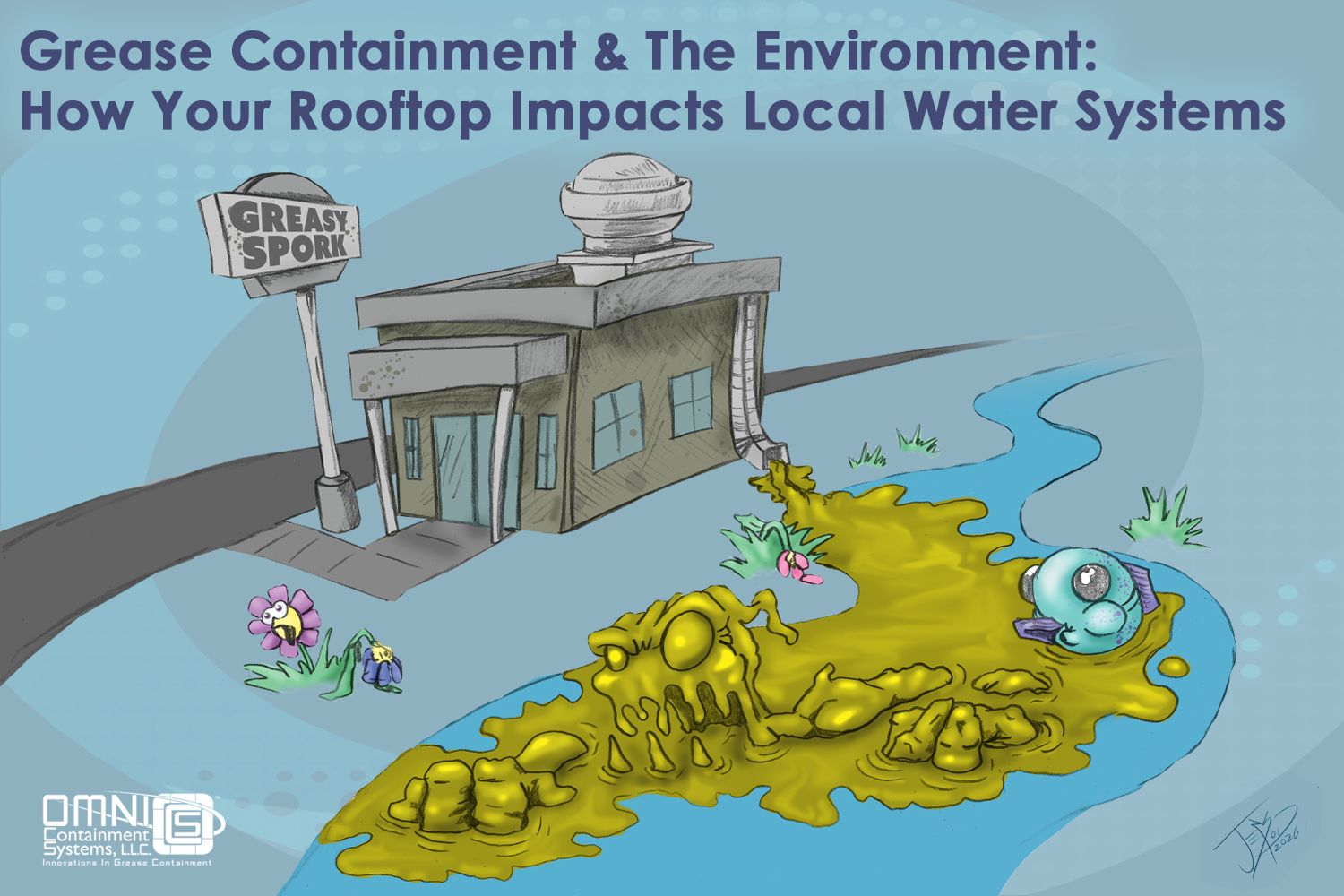
When people think about environmental responsibility in commercial kitchens, they usually focus on what goes down the drain. But one of the most overlooked sources of pollution isn’t inside your facility, it’s on your roof. Rooftop grease runoff from kitchen exhaust systems can have a direct and damaging impact on local water systems, storm drains, and surrounding ecosystems. Without proper containment , that grease doesn’t just disappear, it travels. From Rooftop to Waterway: How Grease Becomes Pollution Commercial kitchen exhaust systems are designed to remove heat, smoke, and airborne grease particles. While hood filters capture some of that grease, a significant amount still passes through the system and accumulates in ductwork and exhaust fans. Over time, this buildup begins to drip onto the roof, spread across roofing materials, and get carried away by rainwater. Once rain hits your roof, it acts as a transport system, moving grease into gutters, downspouts, and ultimately into storm drains. Unlike sanitary sewer systems, stormwater runoff is often discharged directly into local waterways without treatment. As a result, grease from your rooftop can end up in rivers, lakes, municipal stormwater systems, and surrounding soil. Why It Matters: Environmental and Operational Risks The impact of rooftop grease runoff extends beyond a messy roof; it creates real environmental and operational concerns. Grease contains fats, oils, and contaminants that can degrade water quality. When introduced into natural water systems, it can harm aquatic life, disrupt oxygen levels, and contribute to long-term ecosystem damage. At the same time, regulatory compliance is at risk. Local and federal requirements , often tied to EPA stormwater guidelines, mandate that facilities prevent pollutants from entering storm drains. Uncontrolled grease runoff can lead to fines, failed inspections, and increased scrutiny.  There are also direct impacts on your facility. Grease buildup can deteriorate roofing materials, void warranties, and create slip hazards for maintenance personnel. What begins as a rooftop issue can quickly escalate into a costly problem. The Role of Grease Containment Systems A properly designed grease containment system serves as a critical barrier between your exhaust system and the environment. Instead of allowing grease to spread across the roof, these systems capture it at the source, right at the exhaust fan's discharge. Filtration media absorbs and holds the grease, preventing runoff during rain events and reducing the risk of environmental contamination. More advanced systems incorporate multi-stage filtration, improving efficiency while reducing maintenance frequency. The result is a cleaner, safer, and more controlled rooftop environment. Sustainability Starts at the Source Environmental responsibility isn’t just about compliance; it’s about prevention . By addressing grease at the rooftop level, facilities can reduce their environmental footprint, support local water quality initiatives, and align with broader sustainability. For multi-site operators and property managers, this becomes even more important. A single poorly managed rooftop can impact not just one building, but an entire property, or even the surrounding community. Best Practices for Preventing Rooftop Grease Runoff Preventing grease runoff doesn’t require a complete overhaul, but it does require consistency and the right approach . Start by installing a high-quality grease containment system designed for durability and ease of maintenance. From there, regular maintenance is key. Filtration media should be inspected and replaced as needed to ensure the system continues performing effectively. Routine rooftop inspections can help identify buildup early, before it becomes a larger issue. Finally, working with experienced professionals ensures proper system selection and installation, setting up the foundation for long-term performance. A Small Change with a Big Impact Grease containment may seem like a small part of your operation, but its impact extends far beyond your rooftop. By taking proactive steps to manage grease runoff, you’re not only protecting your building, but you’re also helping protect your local environment and water systems. Looking to improve your rooftop grease management? Omni Containment Systems provides innovative solutions designed to keep grease where it belongs, off your roof and out of waterways.
by technical 25 March 2026
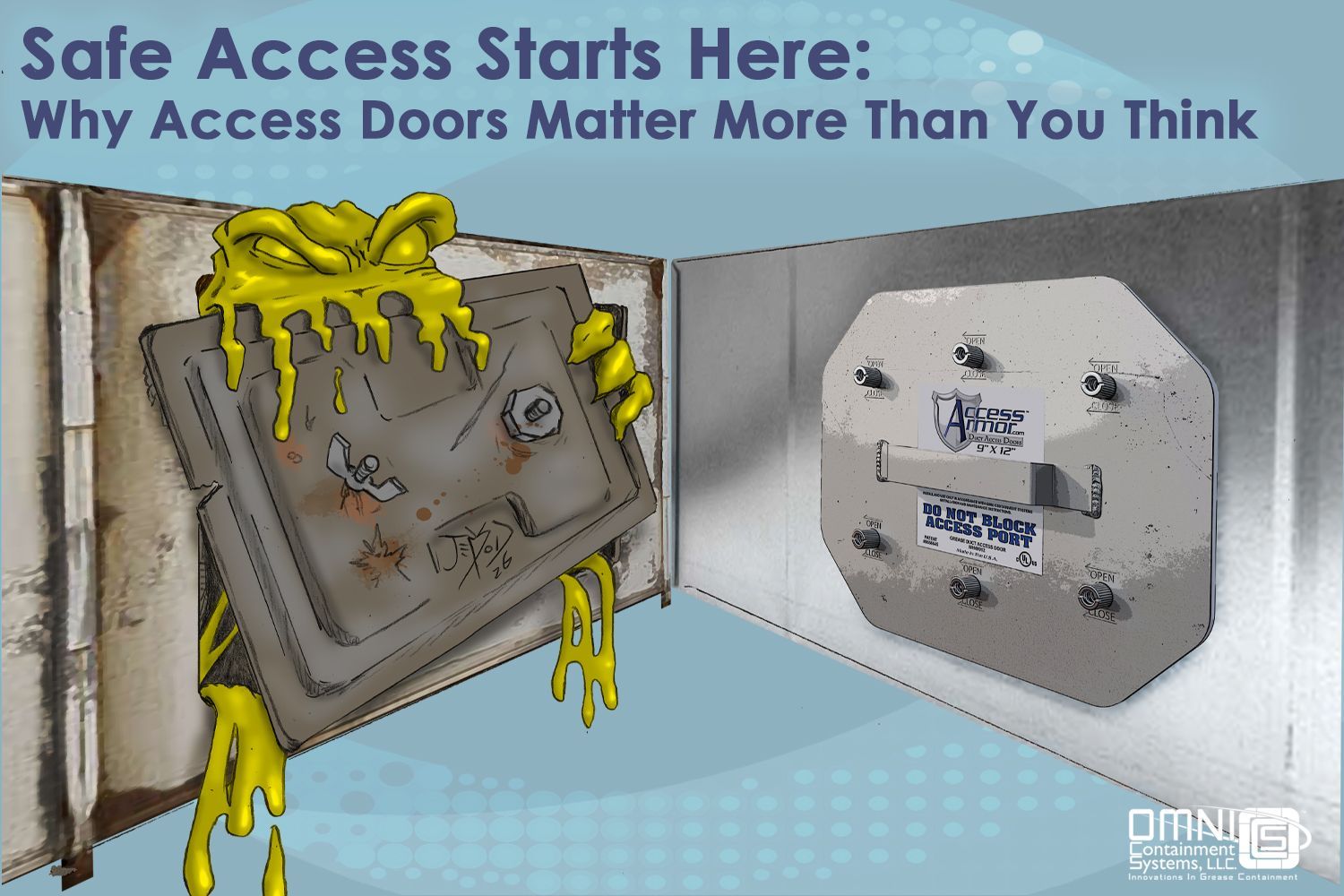
Proper duct access improves safety and cleaning efficiency in kitchen exhaust systems. Learn why Access Armor doors help technicians work safe and stay NFPA compliant.
common duct cleaning mistakes, duct cleaning best practices, ventilation system cleaning errors
by technical 21 February 2026
Discover the most common duct cleaning mistakes that reduce air quality and HVAC efficiency. Learn how to improve protocols, avoid costly errors, and choose the right equipment.
grease containment for exhaust fans, rooftop grease solutions, commercial kitchen exhaust safety
by technical 19 January 2026
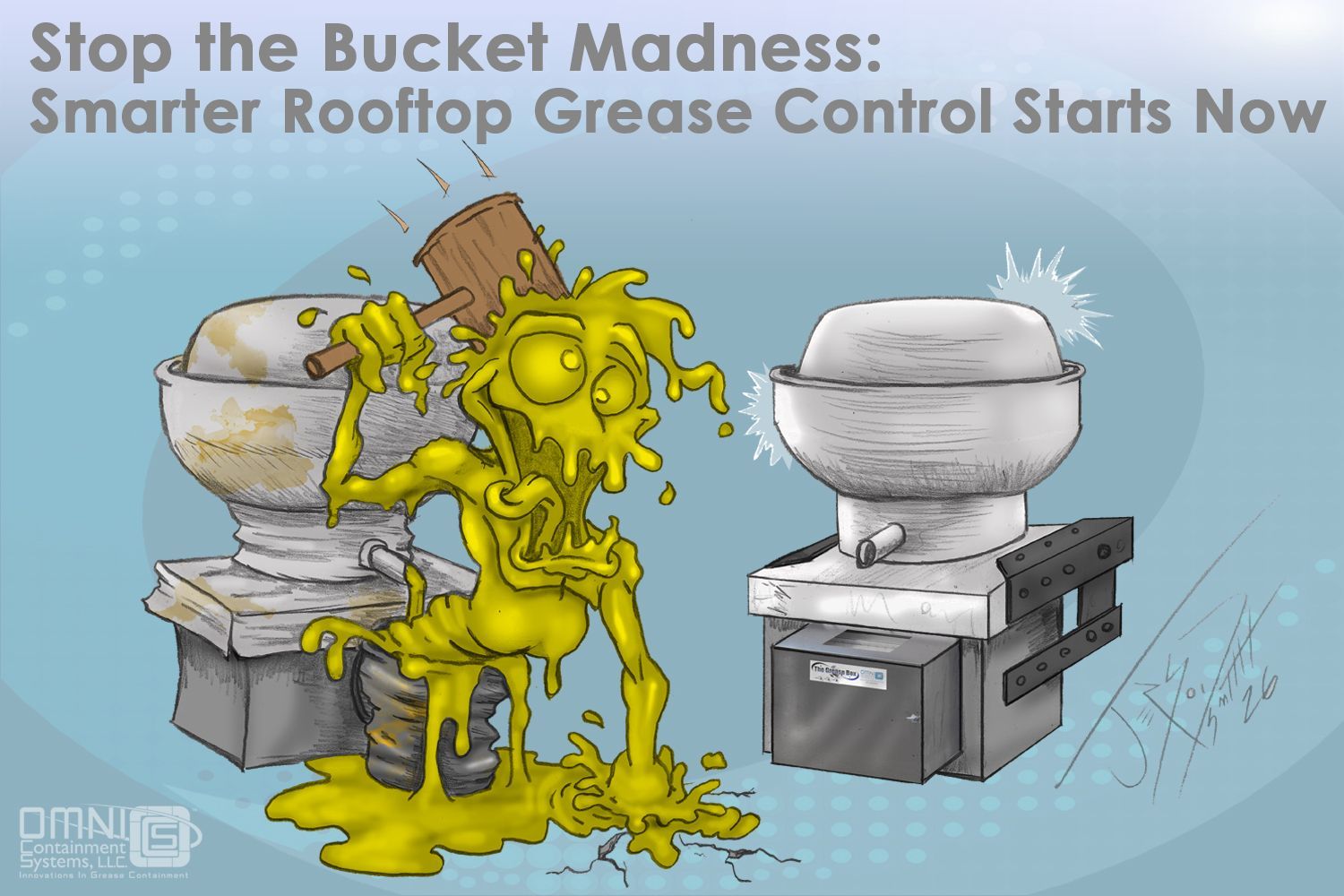
Leave buckets behind in 2026. Discover smarter rooftop grease containment systems, filters, and NFPA 96-compliant solutions from Omni Containment Systems.
Illustration: kitchen equipment overtaken by yellow, gloopy substance with flaming head, suggesting hazards.
by technical 10 December 2025
Finish the year strong with a rooftop kitchen exhaust system that’s safe, compliant, and winter-ready. Discover common issues to check, filter tips, and NFPA 96-compliant solutions from Omni.
Cartoon of a worker, next to a rooftop fan, reaching for a gooey alien inside the fan's housing.
by technical 12 November 2025
Ensure your rooftop exhaust fans are safe, serviceable, and fully NFPA 96 compliant. Learn why the right hinge matters and explore Omni’s durable, code-compliant hinge kits.
Yellow blob creature, flaming pumpkin, and grease-covered block warn about grease fire dangers in October.
by technical 30 October 2025
Protect your restaurant from costly grease fires. Learn key fire prevention tips, NFPA 96 compliance insights, and rooftop safety solutions from Omni Containment Systems.
An advertisement for fire safety.  Chimney and trash can on fire with fall foliage. Text:
by Admin 22 September 2025
This fall, safeguard your restaurant with NFPA 96-compliant fire safety upgrades. Omni Containment Systems offers Super Hinges, grease containment solutions, and VISIOMAX inspections to protect kitchens before the busy holiday season.
More posts