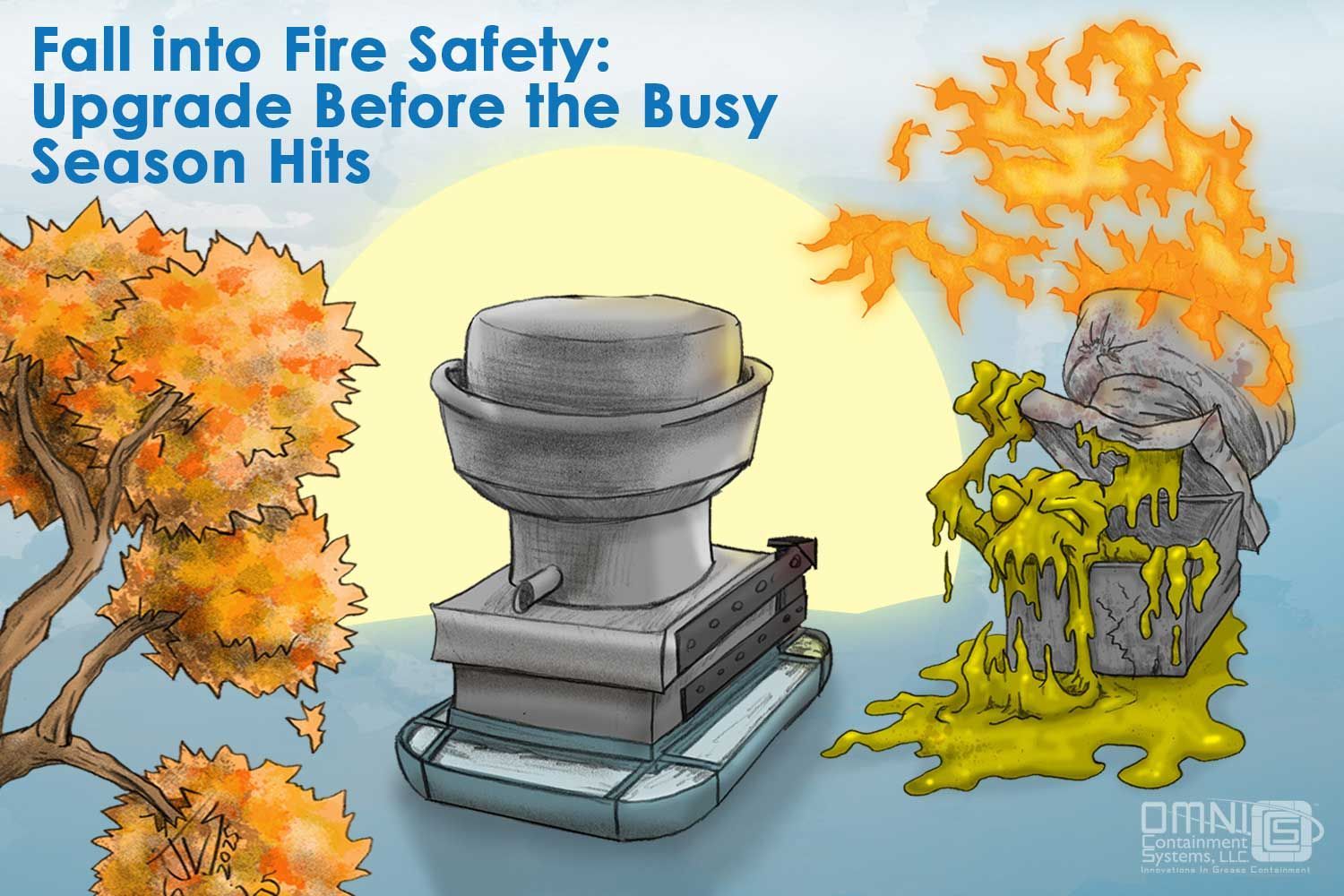
Fall into Fire Safety: Upgrade Before the Busy Season Hits

Fall into Fire Safety: Upgrade Before the Busy Season Hits

As the summer season ends and autumn sets in, proprietors of restaurants and those overseeing facilities find themselves at a critical juncture for planning. While cooler temperatures may bring respite from the summer heat, they also signify the onset of one of the most challenging and potentially hazardous periods of the year for commercial kitchens.


The autumn season presents an ideal window to evaluate, uphold, and enhance your kitchen ventilation systems and cleaning apparatus. Whether you are gearing up for heightened holiday footfall or aiming to avert fire risks and costly operational interruptions, seizing the moment in September is a prudent move to stay ahead of the game.


At Omni Containment Systems, we stand ready to assist you in upgrading with assurance—prior to the arrival of cold weather, peak reservations, and congested grease containment systems.

Why Autumn Is the Optimal Period to Act

To begin with the practicalities, servicing rooftop equipment becomes notably more challenging once winter sets across many regions. Rain, frost, wind, and early snowfall can render it hazardous—or even unfeasible—for maintenance crews to access and service rooftop systems safely.


By taking action in September, you can arrange for preventive maintenance, set up new hinges or containment units, and examine grease levels before inclement weather conditions impede your kitchen exhaust system preparations.

Prep Work Ahead of Peak Holiday Rush

The final quarter typically stands out as the peak season for eateries. With festivities like Thanksgiving, Christmas, Hanukkah, and New Year's looming on the horizon, kitchen operations intensify. An upsurge in meal preparation translates to heightened grease accumulation—and increased strain on your ventilation systems.


If your system is already feeling the strain from summer's wear and tear, entering the holiday season without a thorough inspection or upgrade could leave you vulnerable to fire hazards, operational halts, or unforeseen maintenance expenses. Now is the opportune moment to address overdue maintenance tasks, before the holiday rush makes scheduling service calls unmanageable.

Alignment of Budget and Regulatory Compliance

September marks a strategic juncture in the business calendar. Many establishments still possess financial flexibility before the commencement of the fourth quarter. For others, it presents the right time to strategize and allocate resources for early-year equipment acquisitions.


Compliance with NFPA 96 standards is not discretionary, it is mandatory. Upgrading now with NFPA-compliant solutions such as Omni's patented Super Hinge or certified grease containment systems ensures that you are in adherence with regulations while circumventing emergency replacement outlays in the future.


Furthermore, updated systems simplify the process of documenting safety compliance for local authorities and insurance purposes.

Equipment Enhancements for Enhanced Safety and Efficiency

Fan hinges are not only a matter of convenience, but they are also an indispensable element of fire safety. The NFPA 96 Fire Code stipulates that upblast fans must be equipped with a suitable hinge kit featuring a service hold-open retainer. In the absence of one, service personnel would need to physically remove and position heavy fans on the rooftop during cleaning procedures—posing risks of injury, damaging fan curbs, or puncturing the roof membrane.


Omni Super Hinges offer:

  • Secure, controlled fan mobility
  • Convenient access to duct interiors
  • A design compliant with NFPA 96 standards, including a patented hold-open retainer
  • Compatibility with both small and large fan bases


A Super Hinge is not merely an enhancement—it represents a long-term investment in safety, compliance, and fan durability.

Grease Containment Systems That Mitigate Rooftop Mishaps

September also serves as a pivotal month for evaluating and upgrading your grease containment setup. Overflowing grease traps and deteriorated filter pads pose more than just a cleanliness issue, they present safety hazards.


Grease spills:

  • Seep into roofing material, causing degradation of membranes and leading to expensive structural impairments
  • Flow into storm drains, resulting in environmental penalties and citations
  • Serve as fuel for rooftop fires, particularly when overlooked during peak cooking seasons


Our Grease Gutter and Roof Guardian systems are engineered to handle grease discharge securely and efficiently. Each system features high-capacity filters and intelligent designs that align with NFPA 96 8.1.1.3 guidelines, which restrict rooftop grease containers to 1 gallon (3.8 L). Avoid waiting for grease buildup to escalate—address it proactively before it escalates.

Utilize Visual Aids Like VISIOMAX to Demonstrate Your Value

September also presents an ideal occasion to educate customers on the significance of upgrades and cleaning tasks. The VISIOMAX visual inspection system enables you to vividly showcase the conditions inside ductwork—whether you are a kitchen exhaust cleaning service provider or a facilities manager seeking approval for budget allocations.


Being able to present real-time footage of grease accumulation to clients can:

  • Accelerate approvals for maintenance initiatives
  • Enhance confidence in your service provisions
  • Establish documentation for code adherence and insurance coverage
  • Fire Prevention Initiatives Commence Now


October may be designated as Fire Prevention Month, but delaying action on your exhaust system until then often proves too late. Rooftop fires triggered by grease buildup can occur without warning—and once ignited, they spread rapidly.


A single fire incident can:

  • Force a shutdown of your operations during peak periods
  • Result in equipment and infrastructure damage
  • Tarnish your brand and reputation
  • Translate into substantial expenses for repairs and recovery


Instilling a fire safety ethos within your organization begins with proactive maintenance and the deployment of appropriate equipment. By investing in intelligent solutions, you are safeguarding more than just your premises, you are safeguarding your personnel, your profits, and your peace of mind.

Ready to Prioritize Fire Safety This Fall?

Whether you require comprehensive equipment overhaul or just a fresh filter before autumn arrives, Omni Containment Systems offers the products and guidance to facilitate your success.


Get in touch with our team for assistance in selecting the suitable hinge, containment system, or inspection tools—or to connect with a certified kitchen exhaust cleaning technician in your vicinity. Do not postpone preparedness until it's too late. Act now.

Share This Blog Post!
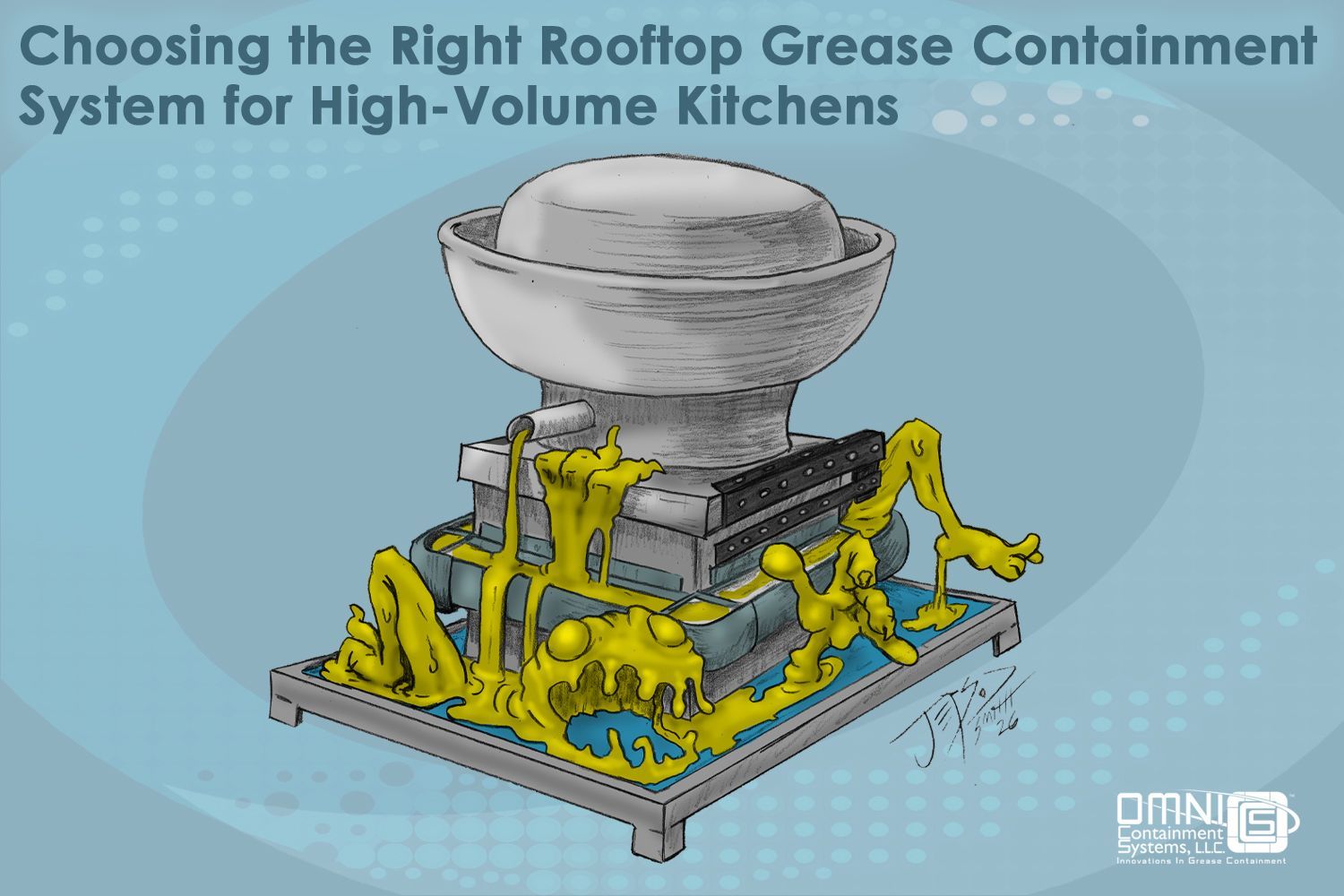
Choosing the Right Rooftop Grease Containment System for High-Volume Kitchens
16 June 2026
Compare Grease Gutter™, Roof Guardian™, The Grease Box™, and EFI™ systems to find the best rooftop grease containment solution for your commercial kitchen.
28 May 2026
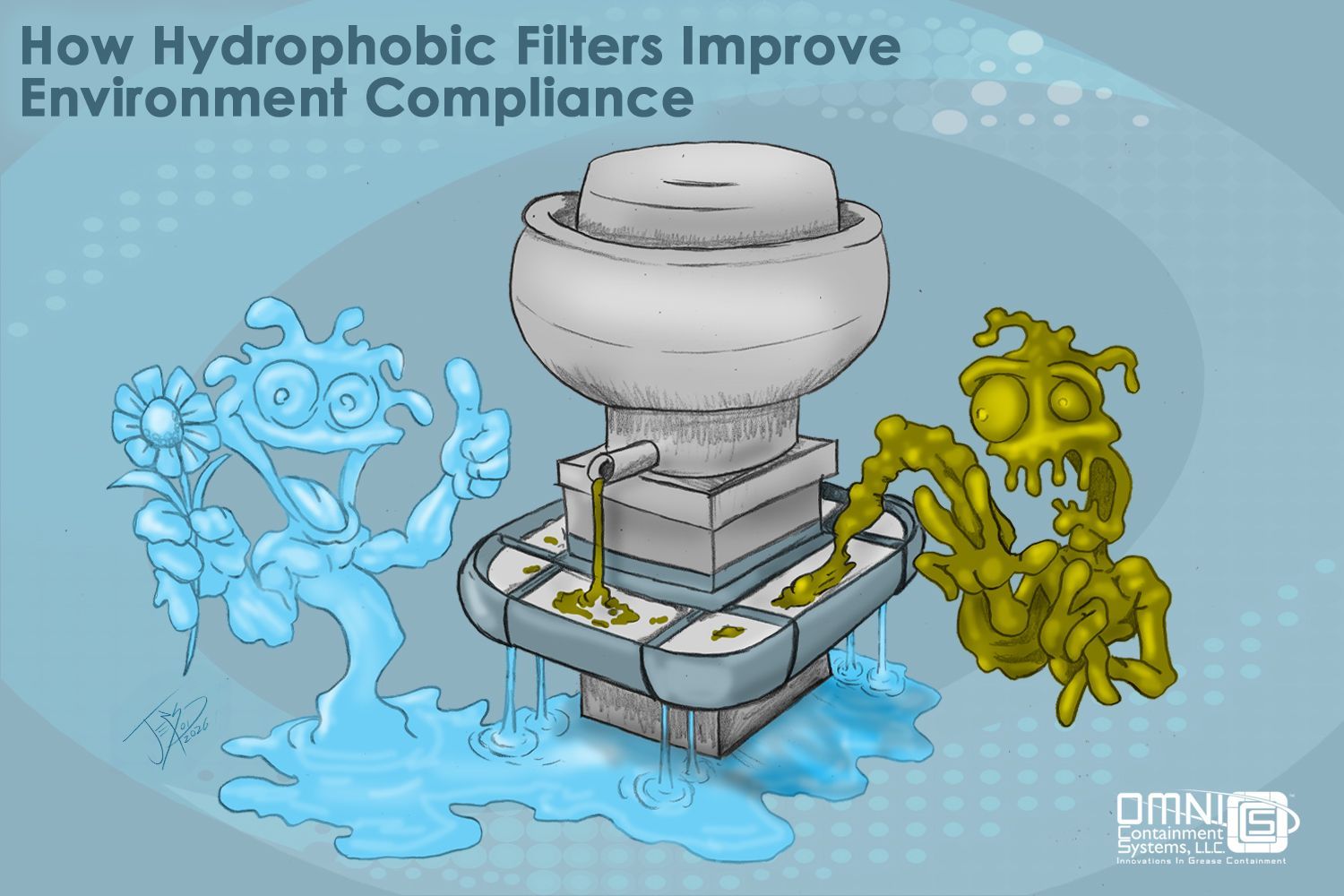
Discover how hydrophobic grease filters improve rooftop greases containment, reduce stormwater pollutions, support EPA compliance, and lower maintenance costs for commercial kitchens.
23 April 2026
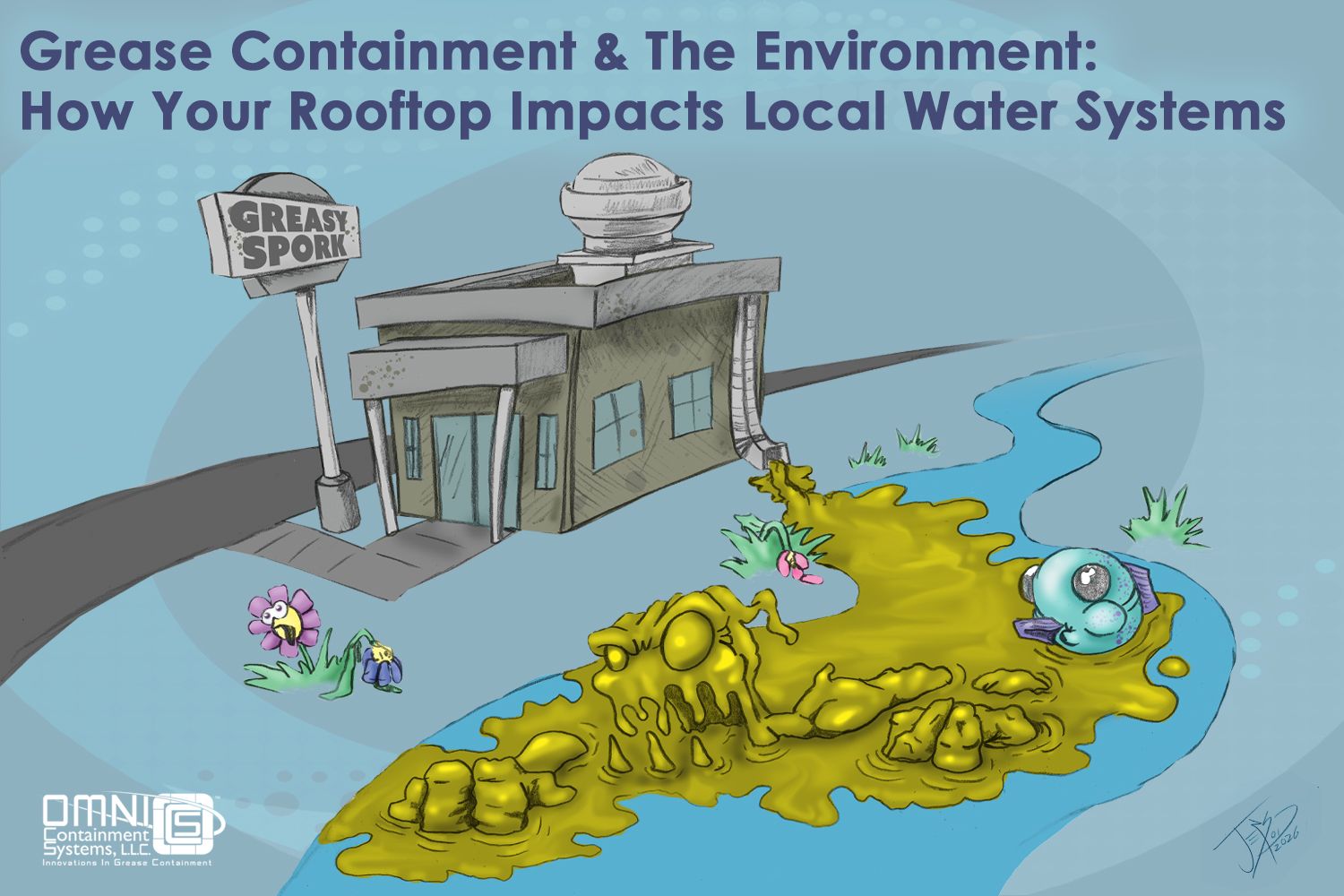
When people think about environmental responsibility in commercial kitchens, they usually focus on what goes down the drain. But one of the most overlooked sources of pollution isn’t inside your facility, it’s on your roof. Rooftop grease runoff from kitchen exhaust systems can have a direct and damaging impact on local water systems, storm drains, and surrounding ecosystems. Without proper containment , that grease doesn’t just disappear, it travels. From Rooftop to Waterway: How Grease Becomes Pollution Commercial kitchen exhaust systems are designed to remove heat, smoke, and airborne grease particles. While hood filters capture some of that grease, a significant amount still passes through the system and accumulates in ductwork and exhaust fans. Over time, this buildup begins to drip onto the roof, spread across roofing materials, and get carried away by rainwater. Once rain hits your roof, it acts as a transport system, moving grease into gutters, downspouts, and ultimately into storm drains. Unlike sanitary sewer systems, stormwater runoff is often discharged directly into local waterways without treatment. As a result, grease from your rooftop can end up in rivers, lakes, municipal stormwater systems, and surrounding soil. Why It Matters: Environmental and Operational Risks The impact of rooftop grease runoff extends beyond a messy roof; it creates real environmental and operational concerns. Grease contains fats, oils, and contaminants that can degrade water quality. When introduced into natural water systems, it can harm aquatic life, disrupt oxygen levels, and contribute to long-term ecosystem damage. At the same time, regulatory compliance is at risk. Local and federal requirements , often tied to EPA stormwater guidelines, mandate that facilities prevent pollutants from entering storm drains. Uncontrolled grease runoff can lead to fines, failed inspections, and increased scrutiny.  There are also direct impacts on your facility. Grease buildup can deteriorate roofing materials, void warranties, and create slip hazards for maintenance personnel. What begins as a rooftop issue can quickly escalate into a costly problem. The Role of Grease Containment Systems A properly designed grease containment system serves as a critical barrier between your exhaust system and the environment. Instead of allowing grease to spread across the roof, these systems capture it at the source, right at the exhaust fan's discharge. Filtration media absorbs and holds the grease, preventing runoff during rain events and reducing the risk of environmental contamination. More advanced systems incorporate multi-stage filtration, improving efficiency while reducing maintenance frequency. The result is a cleaner, safer, and more controlled rooftop environment. Sustainability Starts at the Source Environmental responsibility isn’t just about compliance; it’s about prevention . By addressing grease at the rooftop level, facilities can reduce their environmental footprint, support local water quality initiatives, and align with broader sustainability. For multi-site operators and property managers, this becomes even more important. A single poorly managed rooftop can impact not just one building, but an entire property, or even the surrounding community. Best Practices for Preventing Rooftop Grease Runoff Preventing grease runoff doesn’t require a complete overhaul, but it does require consistency and the right approach . Start by installing a high-quality grease containment system designed for durability and ease of maintenance. From there, regular maintenance is key. Filtration media should be inspected and replaced as needed to ensure the system continues performing effectively. Routine rooftop inspections can help identify buildup early, before it becomes a larger issue. Finally, working with experienced professionals ensures proper system selection and installation, setting up the foundation for long-term performance. A Small Change with a Big Impact Grease containment may seem like a small part of your operation, but its impact extends far beyond your rooftop. By taking proactive steps to manage grease runoff, you’re not only protecting your building, but you’re also helping protect your local environment and water systems. Looking to improve your rooftop grease management? Omni Containment Systems provides innovative solutions designed to keep grease where it belongs, off your roof and out of waterways.
by technical 25 March 2026
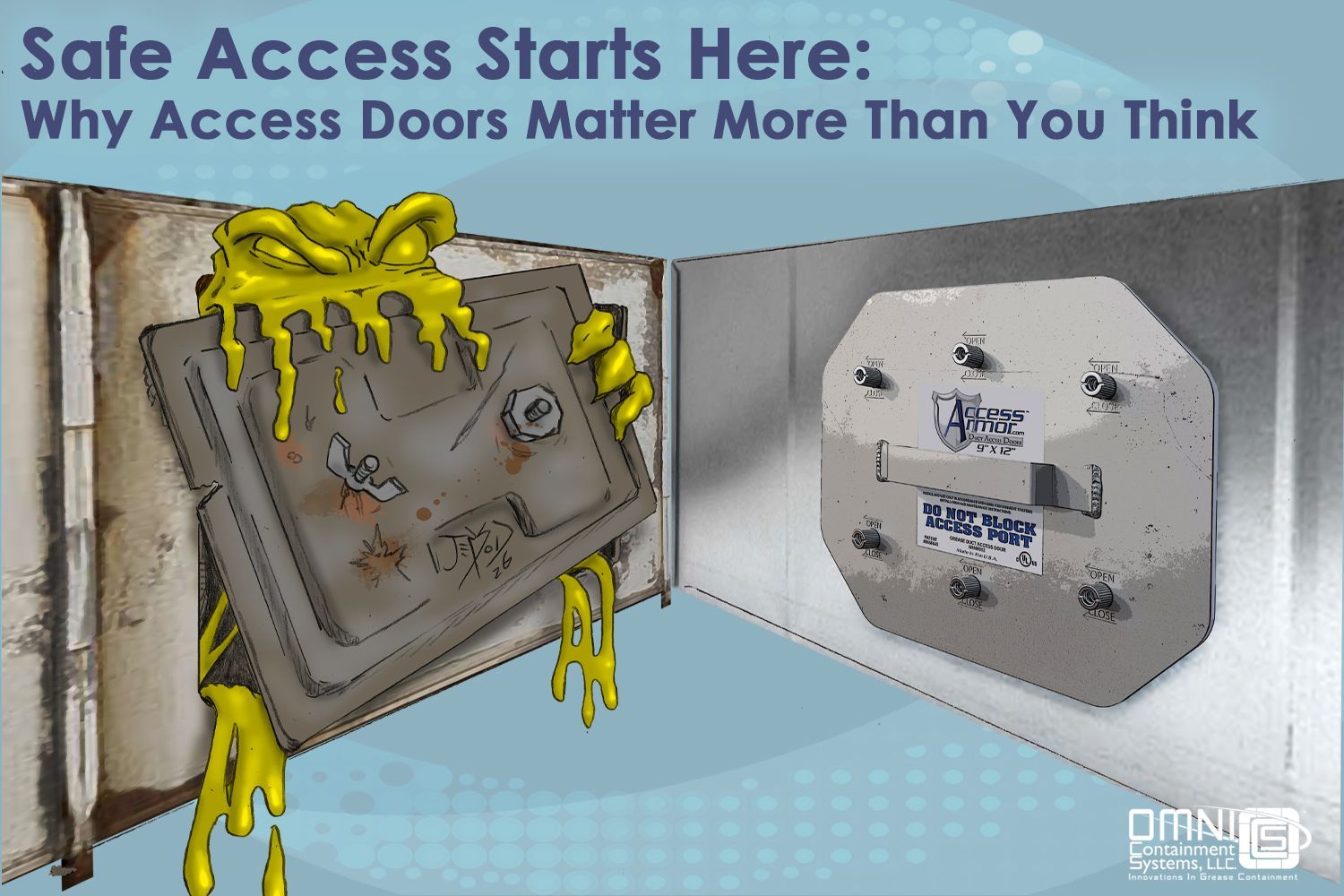
Proper duct access improves safety and cleaning efficiency in kitchen exhaust systems. Learn why Access Armor doors help technicians work safe and stay NFPA compliant.
common duct cleaning mistakes, duct cleaning best practices, ventilation system cleaning errors
by technical 21 February 2026
Discover the most common duct cleaning mistakes that reduce air quality and HVAC efficiency. Learn how to improve protocols, avoid costly errors, and choose the right equipment.
grease containment for exhaust fans, rooftop grease solutions, commercial kitchen exhaust safety
by technical 19 January 2026
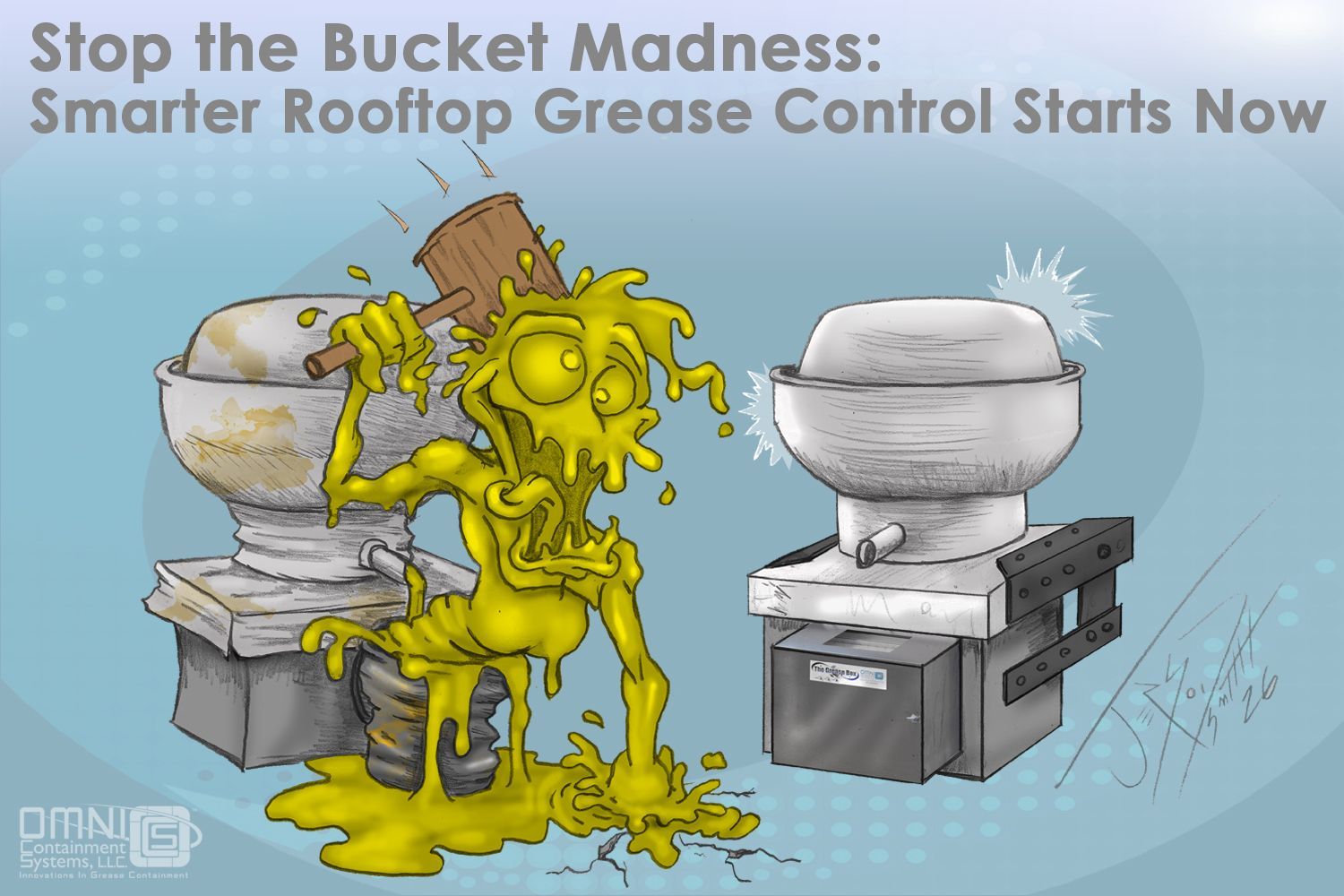
Leave buckets behind in 2026. Discover smarter rooftop grease containment systems, filters, and NFPA 96-compliant solutions from Omni Containment Systems.
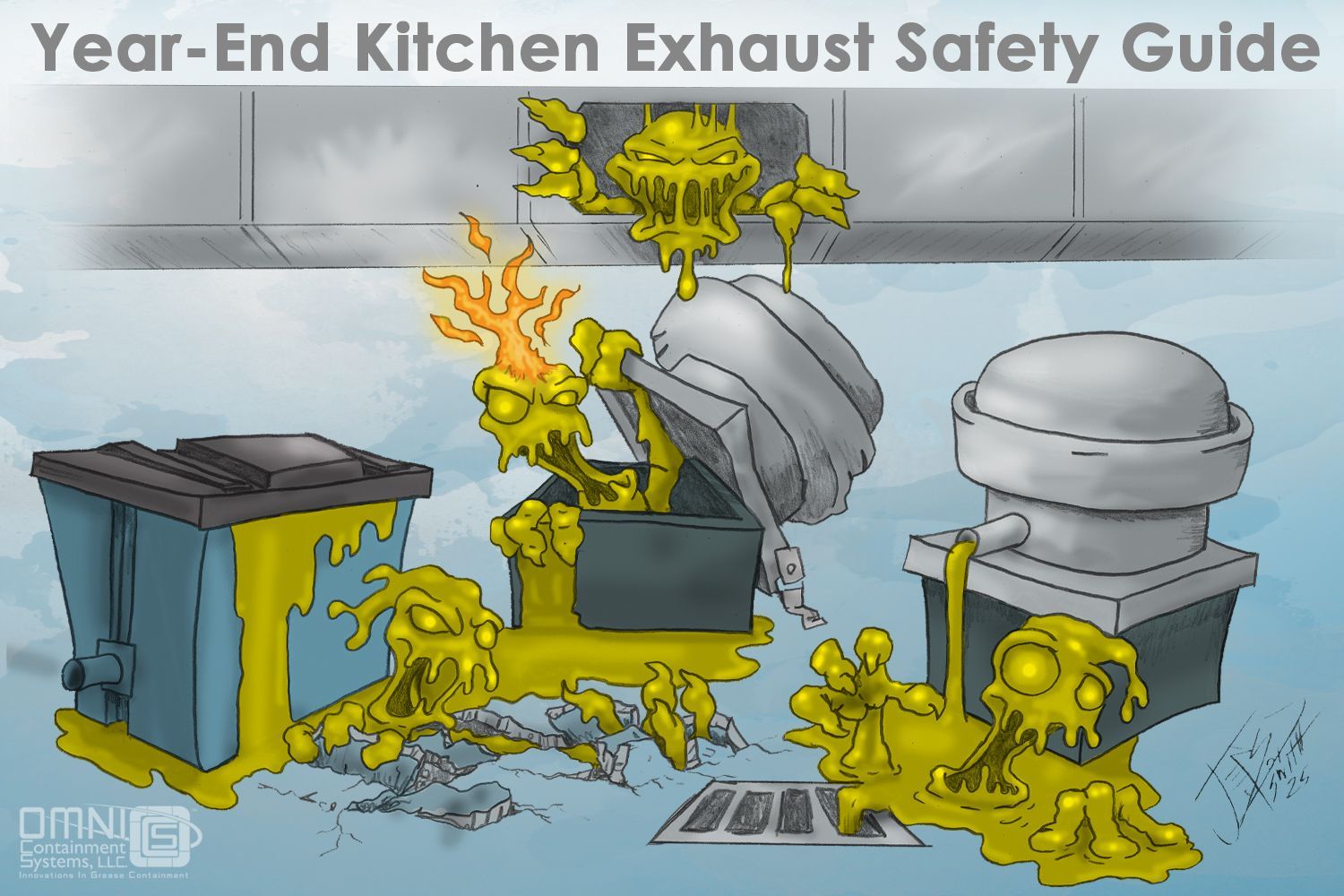
Illustration: kitchen equipment overtaken by yellow, gloopy substance with flaming head, suggesting hazards.
by technical 10 December 2025
Finish the year strong with a rooftop kitchen exhaust system that’s safe, compliant, and winter-ready. Discover common issues to check, filter tips, and NFPA 96-compliant solutions from Omni.
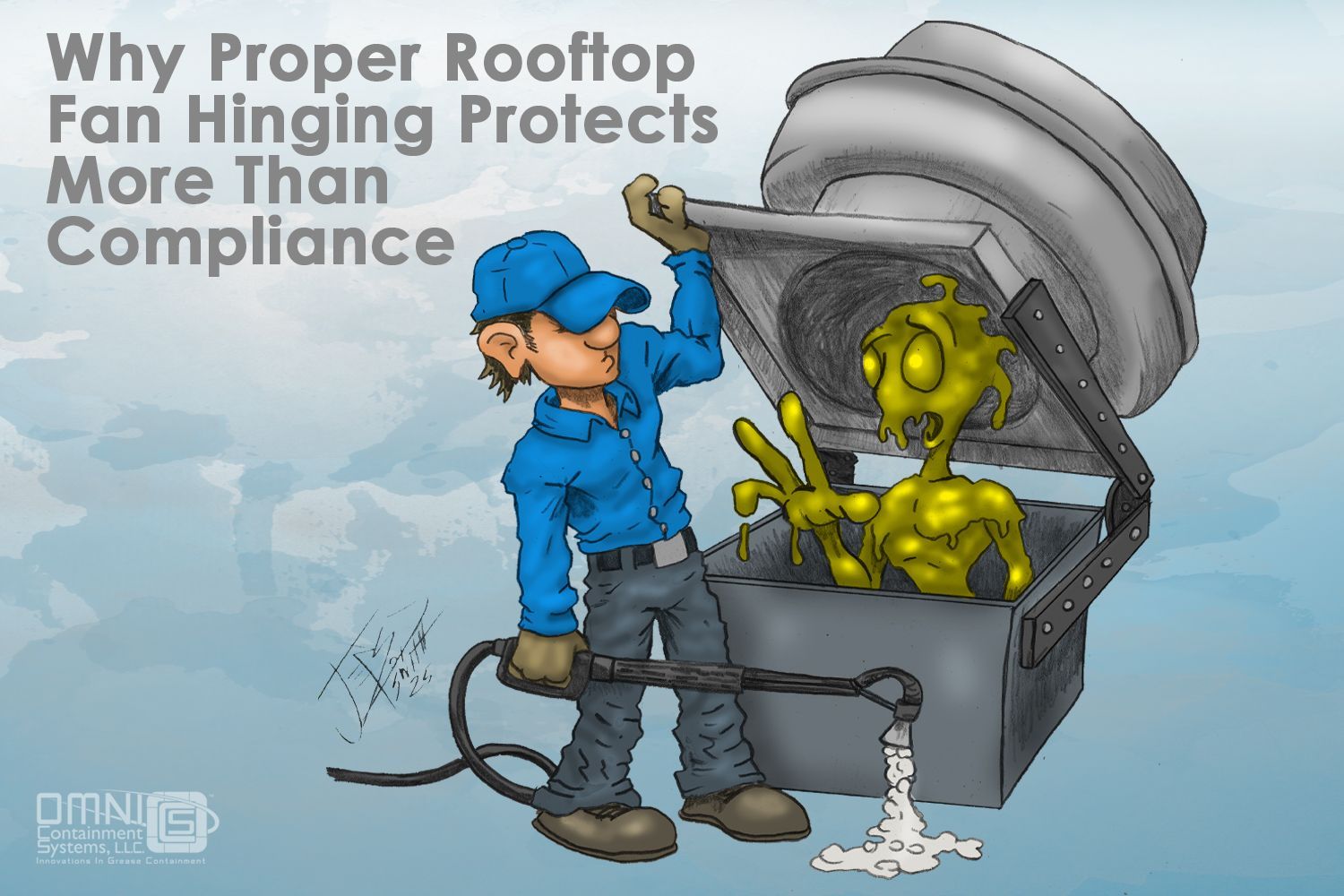
Cartoon of a worker, next to a rooftop fan, reaching for a gooey alien inside the fan's housing.
by technical 12 November 2025
Ensure your rooftop exhaust fans are safe, serviceable, and fully NFPA 96 compliant. Learn why the right hinge matters and explore Omni’s durable, code-compliant hinge kits.
Yellow blob creature, flaming pumpkin, and grease-covered block warn about grease fire dangers in October.
by technical 30 October 2025
Protect your restaurant from costly grease fires. Learn key fire prevention tips, NFPA 96 compliance insights, and rooftop safety solutions from Omni Containment Systems.
Man contemplating equipment choices: various colored machines. Text:
by technical 28 August 2025
Discover how the right equipment, like Tegras and Tecai systems from Omni Containment Systems, can boost efficiency, ensure safety, and drive business growth for kitchen exhaust cleaning professionals.
More posts