Restaurant Fire Prevention Starts with Grease Management
Fire Prevention Month is an important reminder for restaurant owners and facility managers to look beyond fire extinguishers and suppression systems.
One of the most important fire prevention strategies in a commercial kitchen is something that happens every day: managing grease throughout the entire kitchen exhaust system.
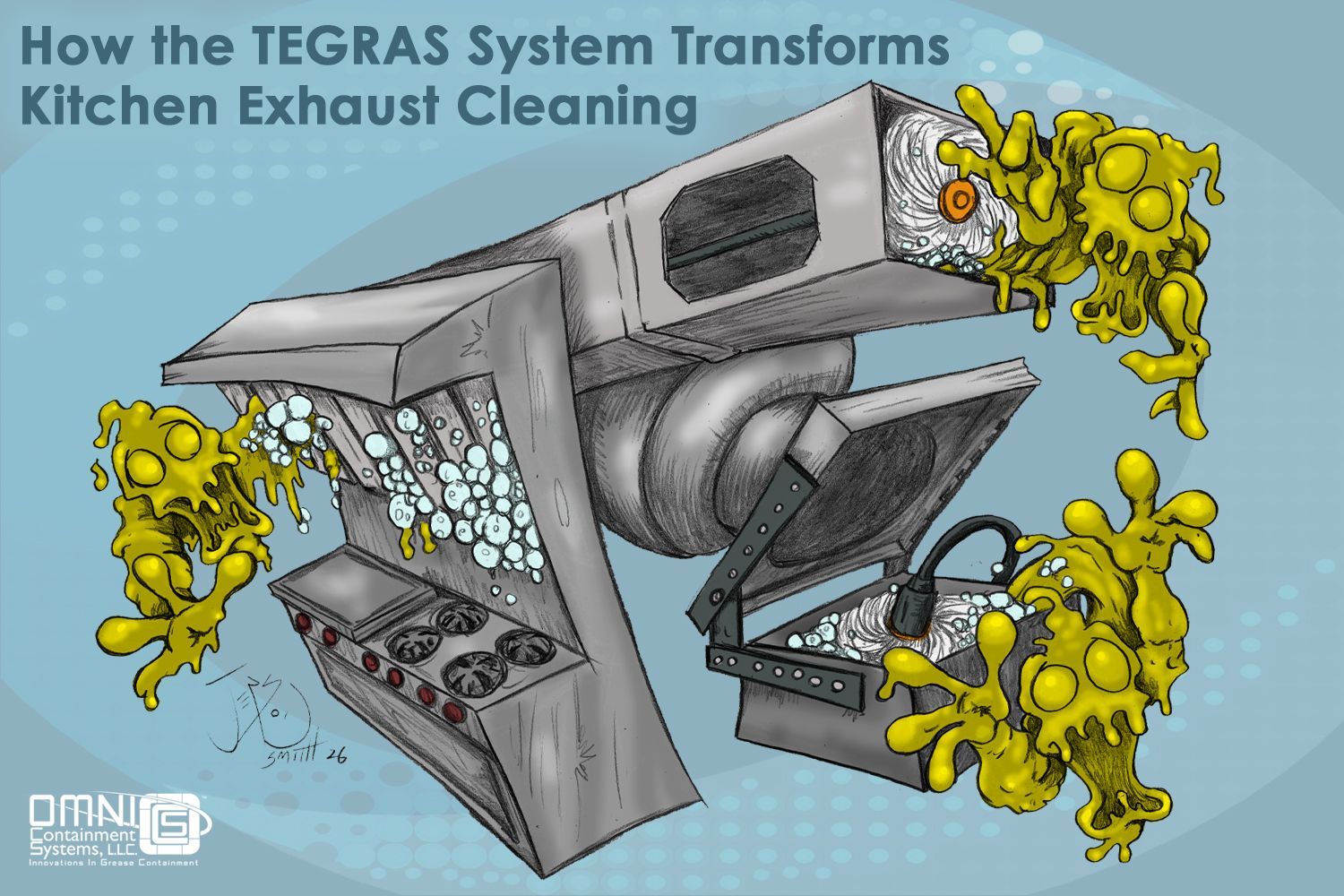
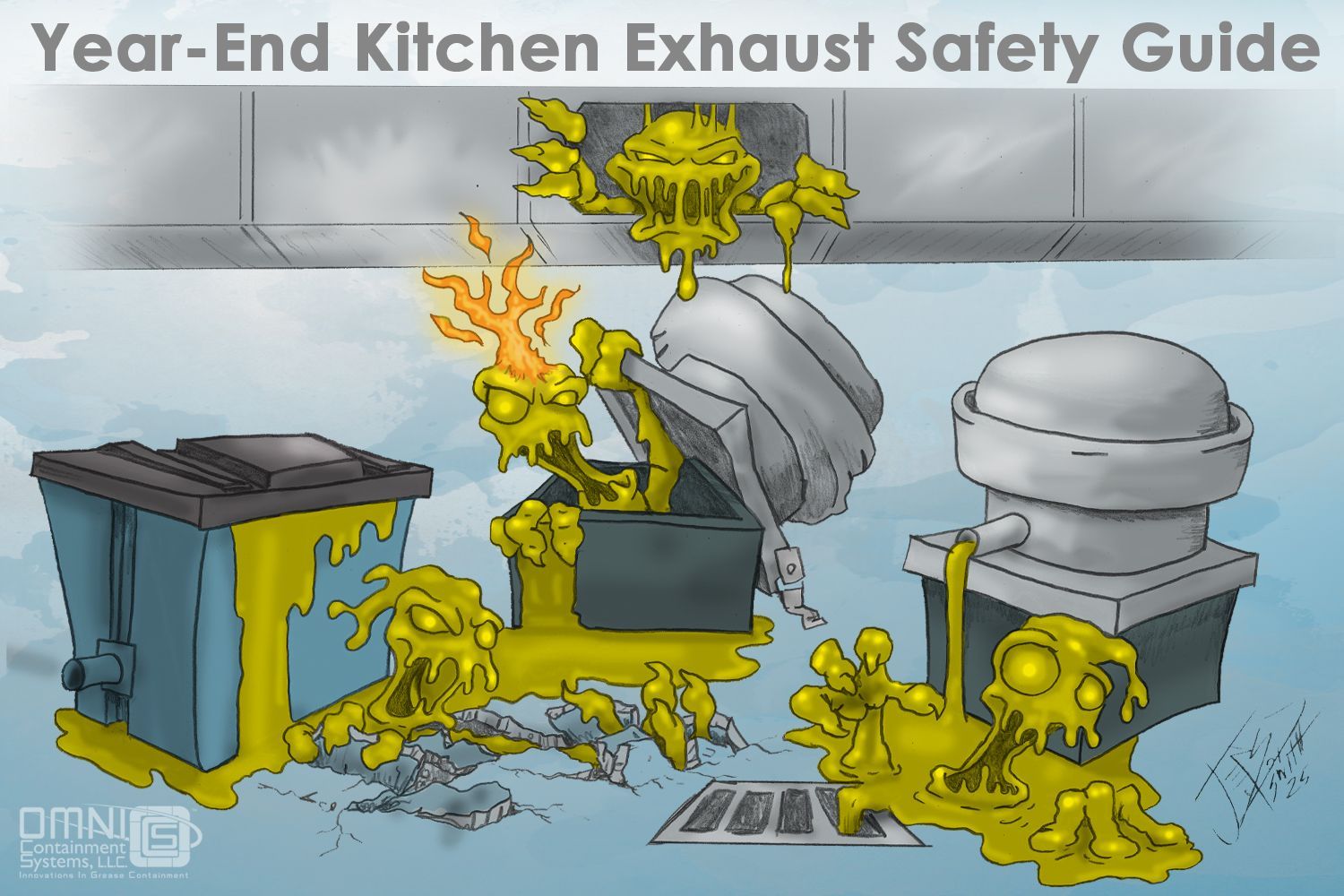
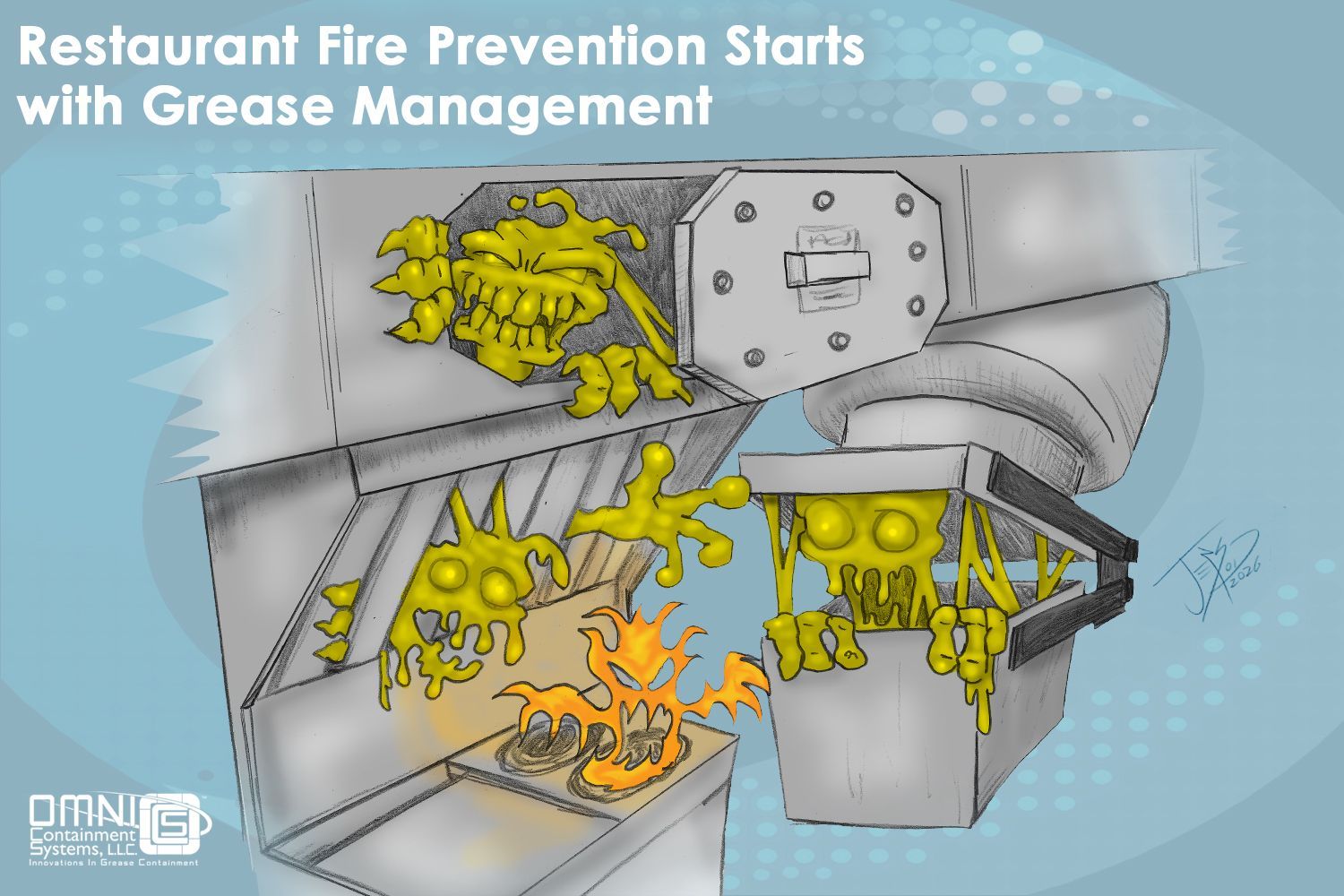
Every time a commercial kitchen cooks, grease-laden vapors travel through the hood, into the ductwork, through the exhaust fan, and eventually out onto the rooftop. When grease is allowed to accumulate anywhere along that path, it creates additional fuel that can contribute to a dangerous fire.
Effective restaurant fire prevention requires looking at the entire kitchen exhaust system. That means ensuring technicians can access hidden areas of the ductwork, scheduling cleaning based on cooking operations and grease accumulation, and properly containing grease once it reaches the rooftop.
Here are the three areas restaurant operators should pay particular attention to this Fire Prevention Month.
1. Make Sure Your Entire Kitchen Exhaust System Is Accessible
You can’t properly clean grease that can’t be reached.
Commercial kitchen exhaust ductwork can run behind walls, above ceilings, through tight spaces, and vertically through multiple floors before reaching the rooftop. Changes in direction can make sections of the system particularly difficult for kitchen exhaust cleaning professionals to access.
If those aren’t accessible, grease can continue accumulating out of sight.
That’s why properly located
duct access doors are an important part of an effective fire prevention strategy.
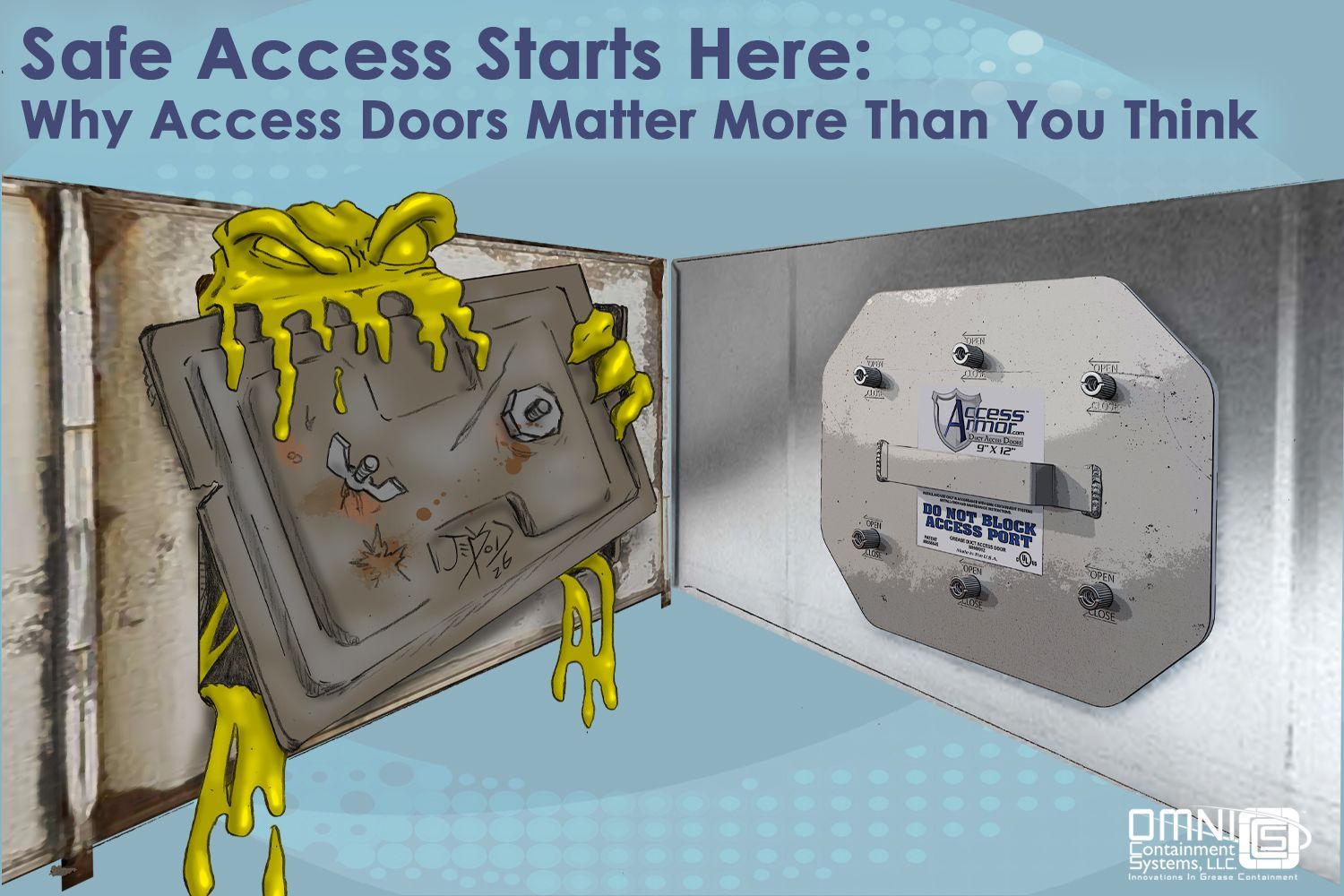
Access doors give kitchen exhaust cleaning professionals entry points into the ductwork so they can inspect and clean areas that would otherwise be difficult or impossible to reach.
When evaluating your kitchen exhaust system, ask:
- Can technicians access the full length of the ductwork?
- Are there adequate access points near changes in direction?
- Are access doors easy to identify and operate?
- Are any access points hidden beneath fire wrap?
- Can technicians thoroughly inspect and clean the areas between access points?
If the answer to any of these questions is no, it may be time to evaluate your duct access solutions.
2. Clean Based on Your Kitchen’s Actual Cooking Operations
Having good access is only valuable when it’s paired with a consistent kitchen exhaust cleaning program.
One of the biggest mistakes a restaurant can make is every commercial kitchen should follow the same cleaning schedule. A restaurant performing high-volume cooking or using equipment that produces significant amounts of grease may need its exhaust system clean more frequently than a low-volume operation.
Cooking volume, cooking methods, fuel type, operating hours, and the amount of grease generated will all influence how quickly deposits accumulate.
Rather than waiting until grease becomes visibly excessive, restaurants should work with qualified kitchen exhaust cleaning professionals to establish an appropriate inspection and cleaning schedule.
Don't Wait for a Problem to Schedule Cleaning
Warning signs that your exhaust system may need attention include:
- Visible grease buildup around the hood or filters
- Heavy grease deposits inside accessible ductwork
- Grease accumulation around the exhaust fan
- Reduced ventilation performance
- Grease leaking or pooling around rooftop equipment
- Saturated rooftop grease containment filters
The absence of visible grease in the kitchen doesn't necessarily mean the entire exhaust system is clean. Significant accumulation can occur inside ductwork and around rooftop equipment where restaurant staff rarely look.
Regular professional inspections help identify those hidden conditions before they become larger problems.
3. Don’t Forget About the Rooftop
Fire prevention doesn’t stop once grease leaves the duct.
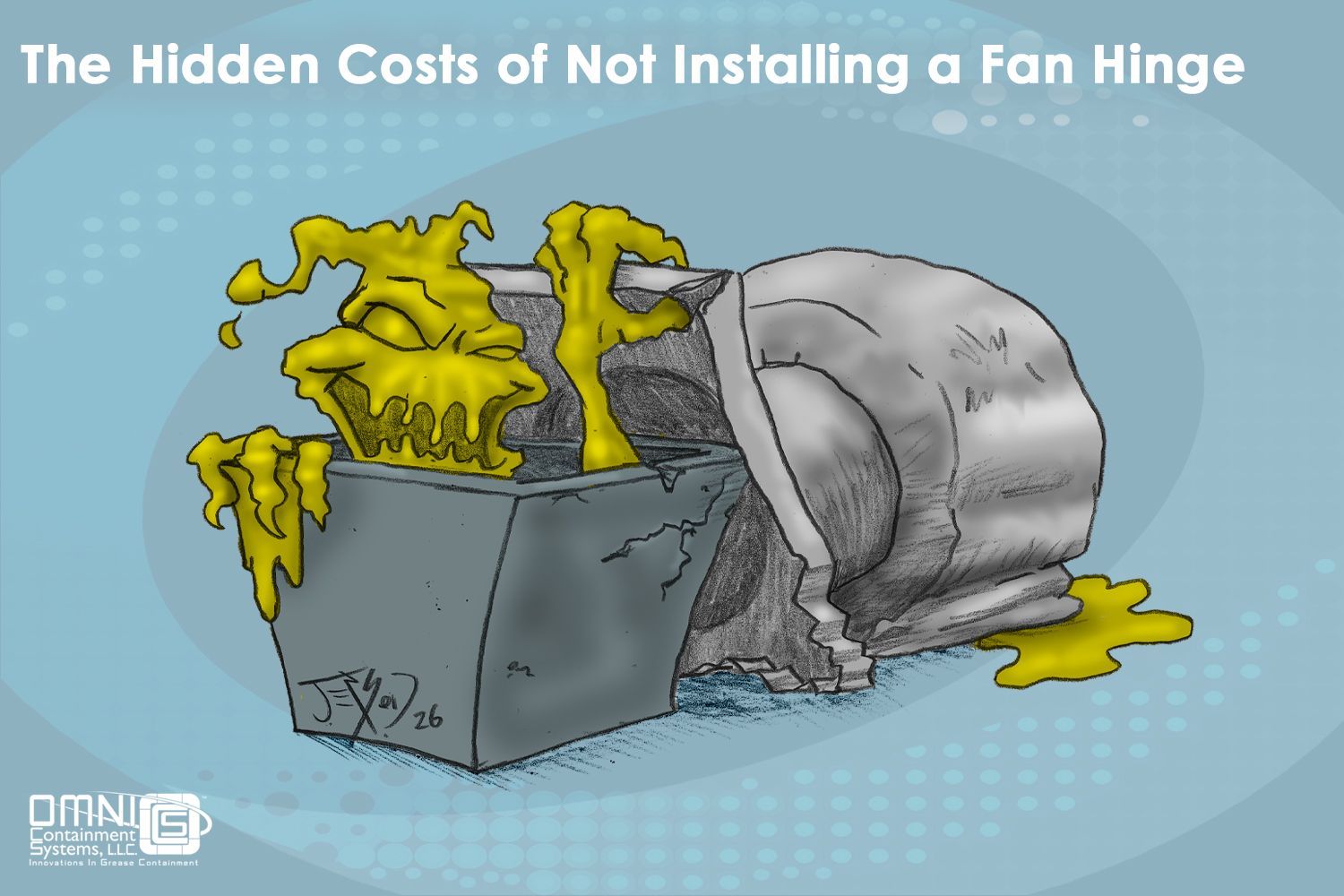
The rooftop exhaust fan is responsible for pulling grease-laden vapors through the ventilation system. As those vapors reach the fan, grease can collect on fan components and discharge around the surrounding rooftop.
Without adequate containment, grease can accumulate on roofing materials and around mechanical equipment.
That create more than an unsightly mess.
Grease accumulation can:
- Add combustible material around the exhaust system
- Damage roofing membranes
- Create slippery working conditions for service personnel
- Increase rooftop maintenance requirements
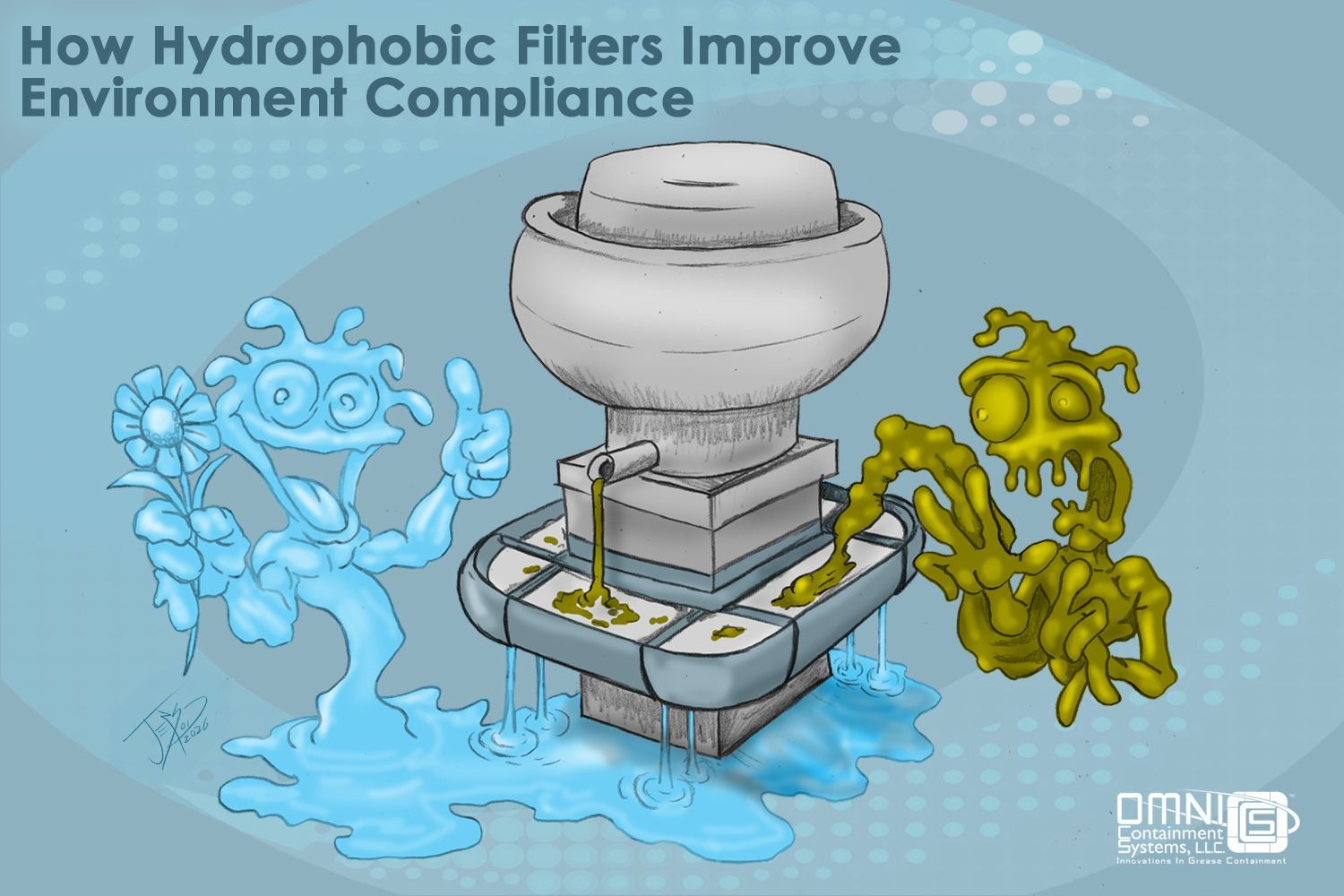
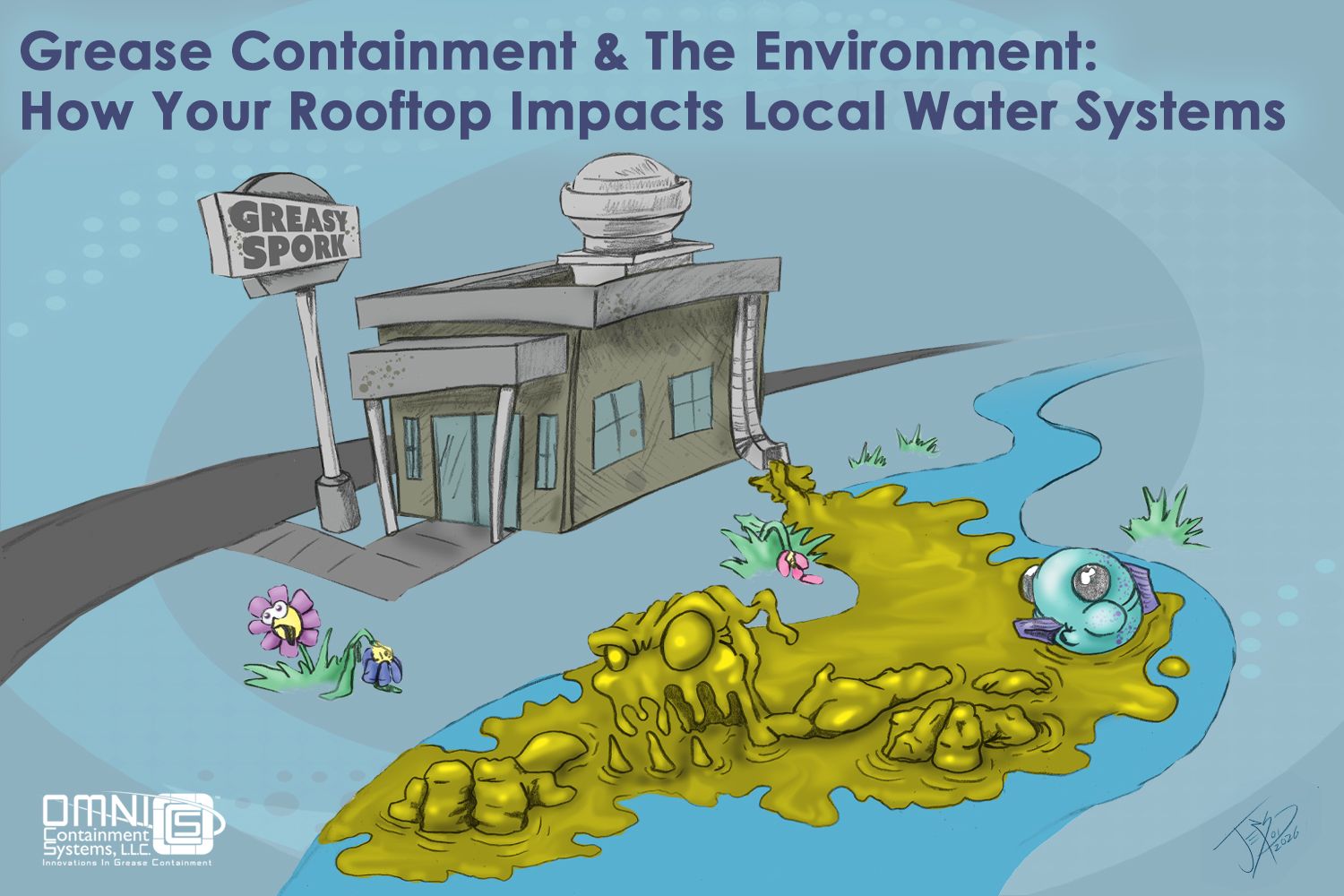
- Be carried away by rainwater and contribute to environmental problems
A properly selected
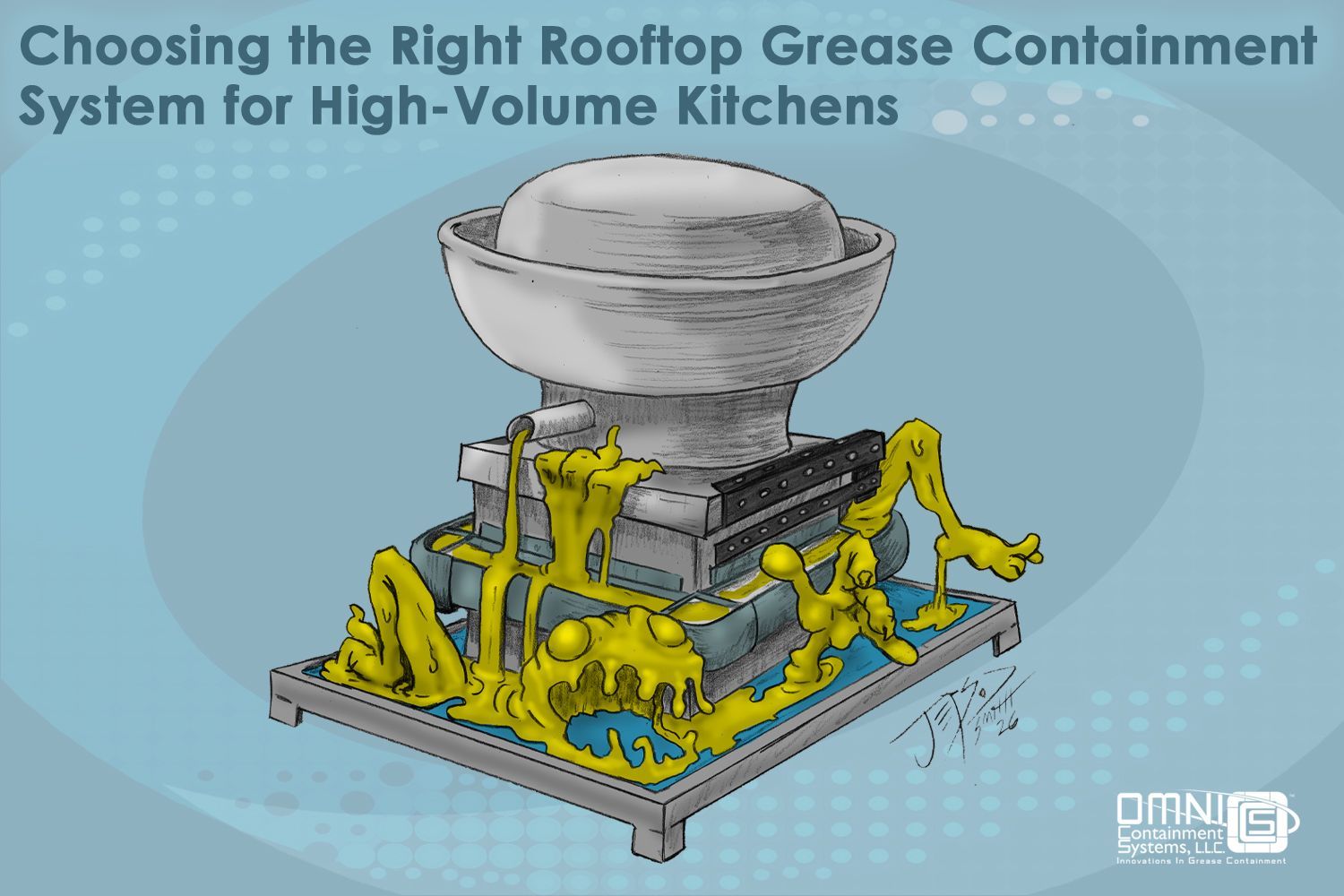
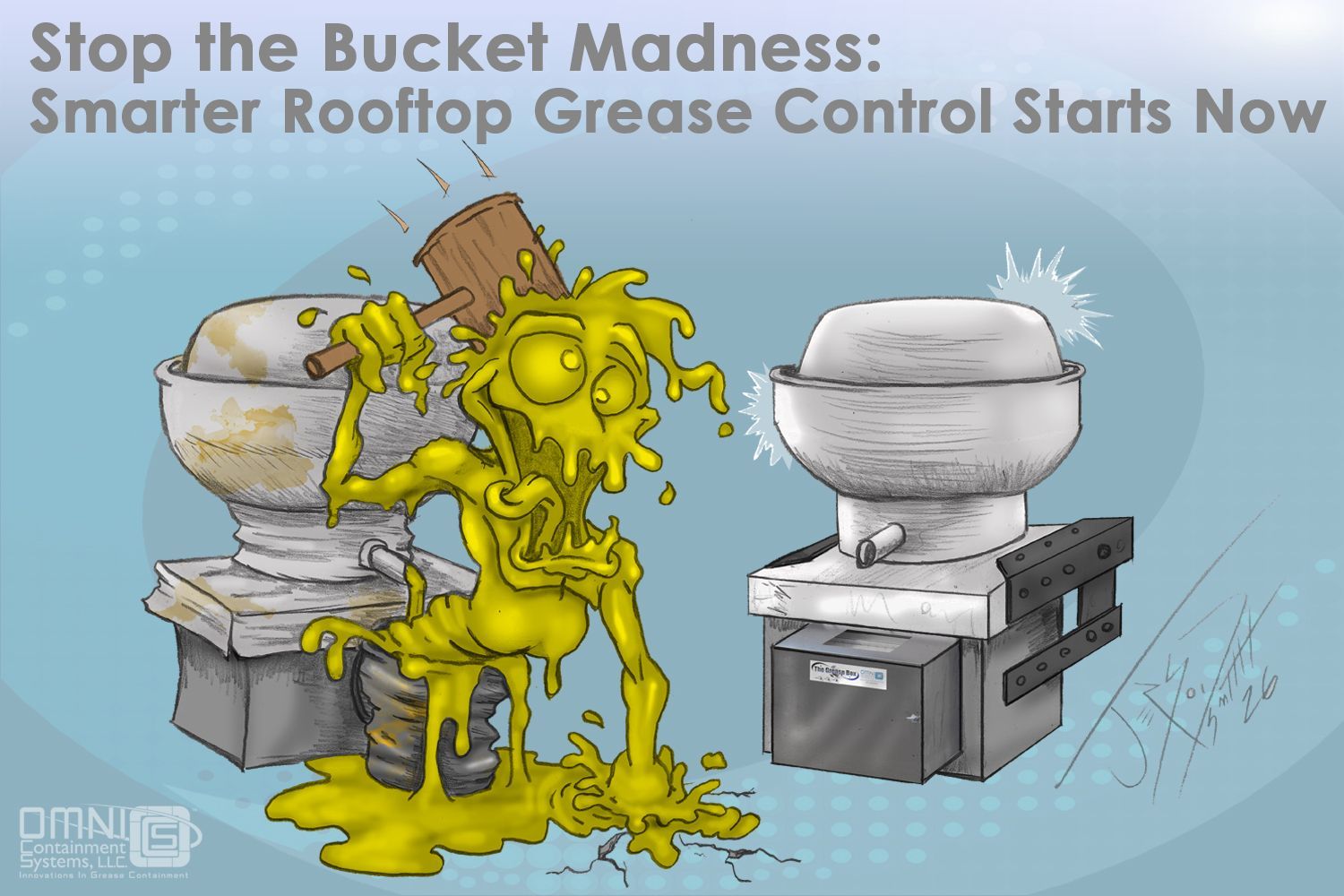
rooftop grease containment system captures grease before it spreads across the roof.
Match Grease Containment to Your Restaurant
Just as cleaning schedules shouldn't be one-size-fits-all, neither should rooftop grease containment.
A restaurant with moderate grease production may require a different solution than a high-volume kitchen operating fryers, charbroilers, woks, or other grease-intensive cooking equipment throughout the day.
Omni offers several grease containment solutions designed for different applications, including
The Grease Box™,
Grease Gutter™,
Roof Guardian™,
and
EFI™.
The appropriate solution depends on factors such as:
- Amount of grease produced
- Exhaust fan configuration
- Available rooftop space
- Weather exposure
- Maintenance requirements
- Cooking volume
The containment system itself also needs attention. Filters should be inspected regularly and replaced before they become saturated. A containment system filled with grease can't continue doing its job effectively.
Fire Prevention Is a System, Not a Single Product
There isn’t one piece of equipment that can eliminate every restaurant fire risk. Effective prevention comes from creating a system in which each component supports the next.
Provide access.
Make sure technicians can reach the entire kitchen exhaust system with appropriately positioned duct access solutions.
Clean consistently.
Establish inspection and cleaning frequencies based on your kitchen’s cooking operations and grease accumulation.
Contain the grease.
Use an appropriately sized grease containment system and maintain its filtration media.
Together, these practices help prevent grease from accumulating unchecked from the hood all the way to the rooftop.
Take a Closer Look This Fire Prevention Month
October is an ideal time to ask a simple question: Where is grease accumulated in your restaurant's exhaust system?
Don't limit the inspection to the areas you can easily see.
Look at the hood. Inspect the ductwork. Evaluate access points. Review your cleaning schedule. Check the exhaust fan. Examine the rooftop. And inspect your grease containment filters.
Restaurant fire prevention isn't something that happens once a year. Fire Prevention Month is simply a good reminder to make sure the practices you're following throughout the year are doing what they're supposed to do.
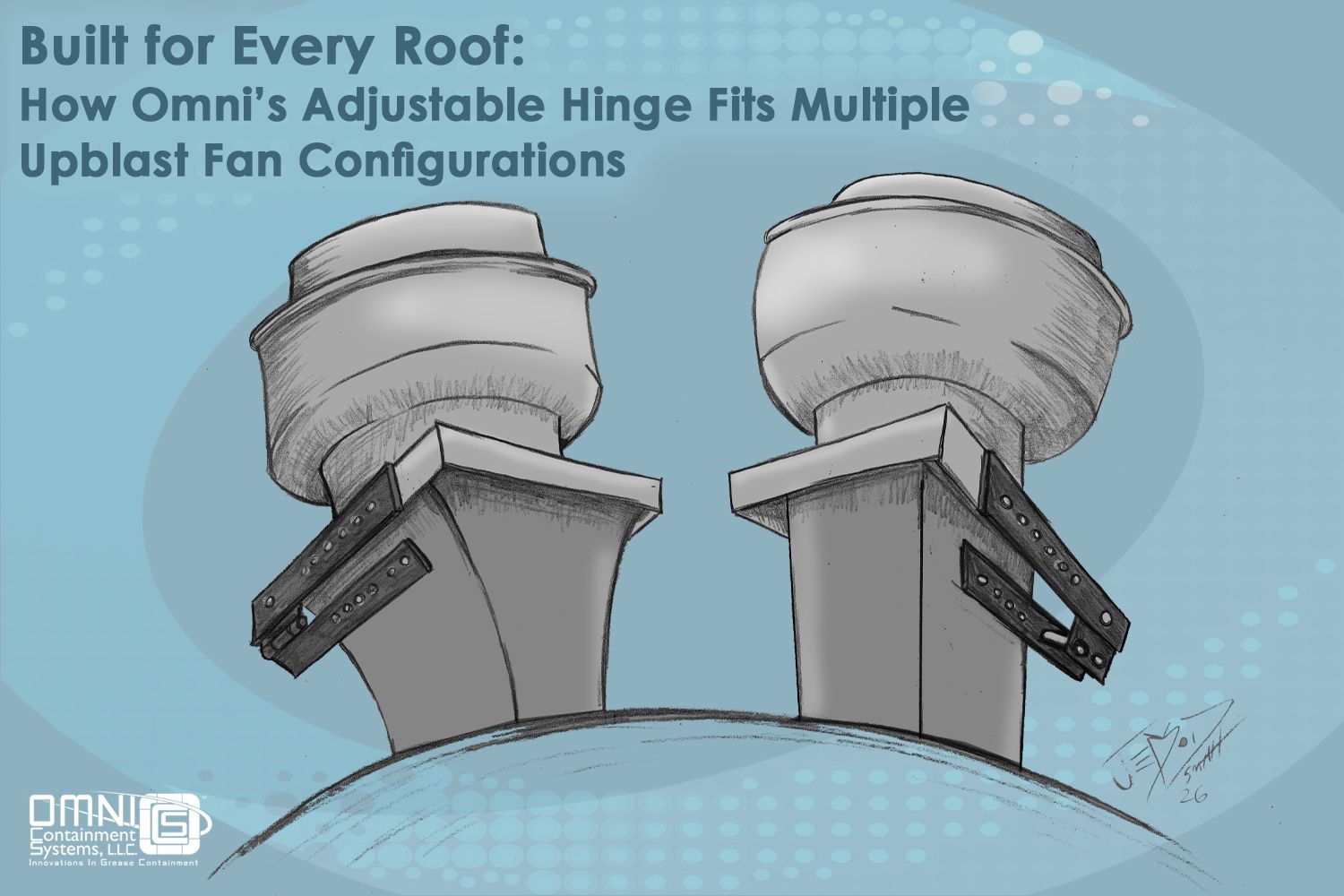
Omni Containment Systems provides solutions designed to make kitchen exhaust systems easier to access, clean, maintain, and protect—from Access Armor™ duct access doors to rooftop grease containment systems and exhaust fan hinging solutions.
Is your kitchen exhaust system ready for a closer inspection? Contact Omni Containment Systems to explore duct access and rooftop grease containment solutions designed to support a cleaner, safer commercial kitchen exhaust system.
Share This Blog Post!