How the TEGRAS System Transforms Kitchen Exhaust Cleaning

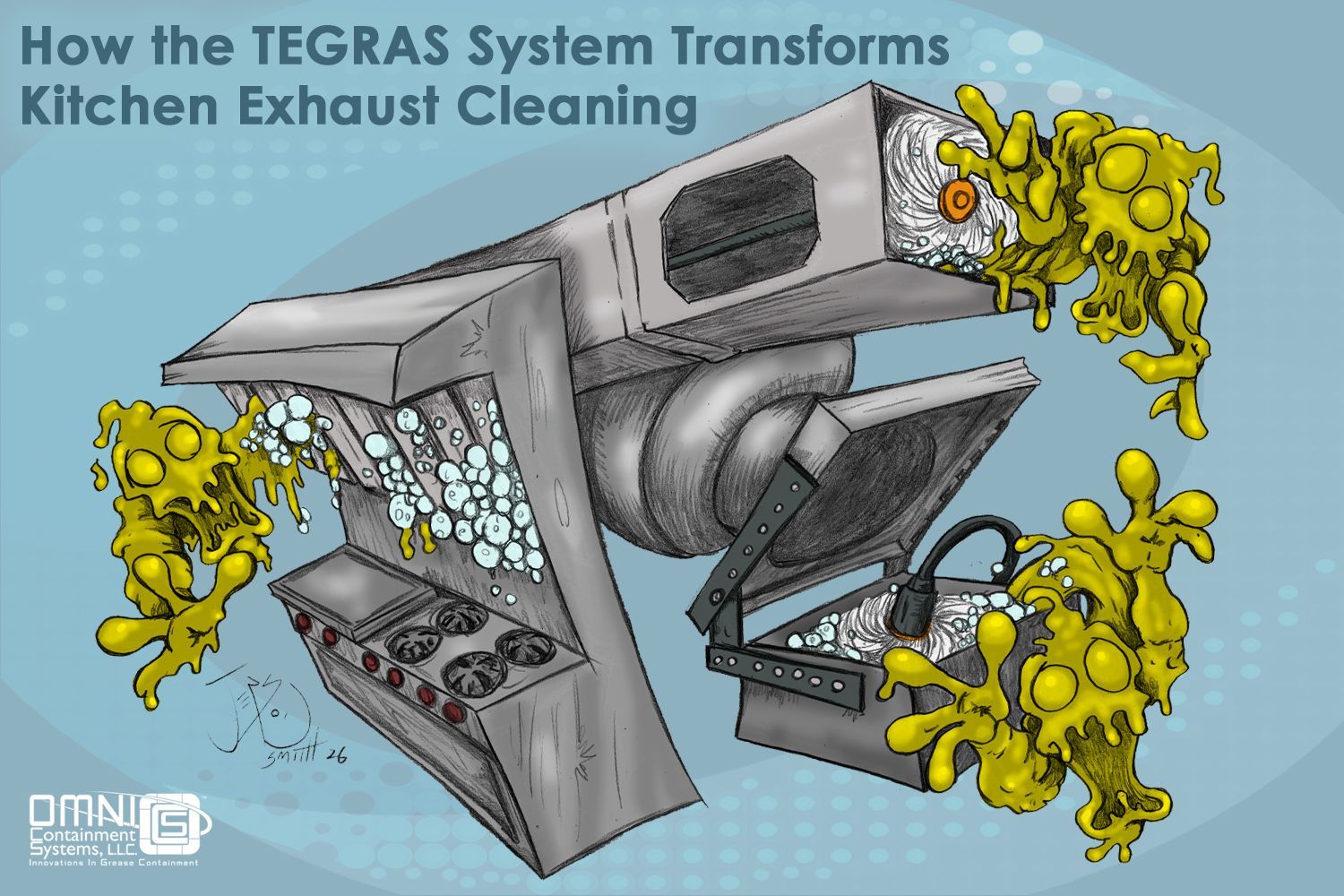
How the TEGRAS System Transforms Kitchen Exhaust Cleaning

Commercial kitchen exhaust cleaning has come a long way. What was once a labor-intensive process involving multiple pieces of equipment, repeated chemical applications, and hours of manual scraping can now be completed more efficiently with advanced cleaning technology.


The
Tegras system streamlines every stage of kitchen exhaust cleaning, from the hood canopy to the rooftop exhaust fan. By combining active foam technology, robotic brushing equipment, and high-performance cleaning chemistry, Tegras helps contractors clean faster, reduce labor, improve consistency, and increase profitability.


Whether you’re servicing a small restaurant or a large commercial kitchen with complex ductwork, Tegras offers specialized equipment designed to handle every part of the job. 


A Complete Kitchen Exhaust Cleaning Solution


Rather than piecing together equipment from multiple manufacturers, Tegras provides a fully integrated system. Each machine is designed to work seamlessly with the others, allowing contractors to choose the right tool for every application.


The Tegras product lineup includes:

  • iFoam Pro – A high-capacity active foam generator designed for large-scale kitchen exhaust cleaning operations and high-volume contractors.
  • iFoam Compact – A lightweight, portable active foam generator that’s ideal for rooftop work, hood cleaning, and locations with limited access.
  • iBrush – A robotic duct brushing system that combines automated brushing with active foam application for efficient duct cleaning.
  • Forte  – A heavy-duty robotic brushing solution built for long, complex, or heavily contaminated duct systems.
  • MultiPro  – The most versatile robotic cleaning platform in the Tegras lineup, engineered to adapt to a wide variety of duct sizes and configurations while delivering consistent cleaning performance,


Together, these machines provide a complete solution for cleaning every component of a commercial kitchen exhaust system.


Step 1: Cleaning the Kitchen Hood


The hood canopy is the first line of defense against grease-laden vapors and is often where heavy grease accumulates.


Traditional hood cleaning typically involves multiple chemical applications, extensive scrubbing, and high-pressure rinsing. Tegras simplifies the process with the
iFoam Pro or iFoam Compact, depending on the size and scope of the job.


Using Comegras active foam, both machines generate a dense foam that clings to vertical and overhead surfaces instead of immediately running off. As the foam breaks down grease, it changes from white to orange, giving technicians a clear visual indication the cleaning chemistry is working.


Because the foam remains on the surface longer, the chemistry does more of the work, reducing the need for excessive manual scrubbing.


Benefits include:

  • Reduced chemical usage
  • Less manual labor
  • Faster cleaning times
  • Bare-metal cleaning results


Step 2: Cleaning Kitchen Exhaust Ductwork


Exhaust ductwork is often the most difficult part of the system to clean. Long horizontal runs, vertical shafts, elbows, and limited access points make manual scraping slow and physically demanding.


Tegras minimizes the challenge with its line of robotic brushing systems.


Contactors can select the best solutions for the application:

  • iBrush for standard duct cleaning
  • Forte for longer duct runs or heavily contaminated systems
  • MultiPro for the longest duct runs, delivering maximum versatility and power across a wide range of duct configurations


These
robotic systems scrub grease from duct walls while simultaneously applying Comegras active foam, delivering a more thorough and consistent clean than manual methods alone.


Advantages include
:

  • Improved cleaning consistency
  • Better access to difficult duct configurations
  • Reduced technician fatigue
  • Faster project completion
  • Increase productivity


Step 3: Cleaning Rooftop Exhaust Fans


The rooftop exhaust fan is the engine of the kitchen ventilation system, removing heat, smoke, grease, and cooking vapors from the building,


Over time, grease accumulates on fan blades, motor housing, fan bases, hinges, and curbs. Without regular cleaning, this buildup can reduce airflow, strain motors, increase fire risks, and shorten equipment life.


Traditional rooftop cleaning often requires technicians to haul multiple tools, hoses, and sprayers to the roof.


Tegras approach simplifies the process.


Both the iFoam Pro and iFoam Compact allow technicians to switch between foam applications and rinse mode with the push of a button. Comegras active foam clings to every surface, penetrating stubborn grease deposits while minimizing chemical waste. Because the foam performs most of the degreasing, only a light rinse is typically needed to achieve exceptional cleaning results.


Why Active Foam Makes a Difference


At the core of the Tegras systems is the Comegras active foam.


Unlike traditional liquid degreasers that quickly run off surfaces, active foam adheres to vertical, overhead, and hard-to-reach areas, giving the cleaning chemistry more time to penetrate and dissolve grease.


This delivers several key advantages:

  • Longer dwell time
  • Superior grease penetration
  • Reduced chemical waste
  • Lower water consumption
  • Faster rinsing
  • More consistent cleaning performance


The foam’s color-changing technology also gives technicians immediate visual confirmation that grease is breaking down, making the cleaning process easier to monitor and more efficient.


One System. Multiple Solutions.


No two kitchen exhaust systems are exactly alike, which is why Tegras offers specialized equipment for every cleaning challenge.


Whether you’re maintaining a neighborhood restaurant, a hospital, a school cafeteria, or a large institutional kitchen, the
Tegras product family provides the tools needed to improve efficiency, reduce labor, and deliver consistent, professional results.


With the iFoam Pro, iFoam Compact, iBrush, Forte, Multipro, and Comegras Active Foam, contractors can clean hood canopies, ductwork, and rooftop exhaust fans using one integrated cleaning methodology.


Invest in Better Cleaning. Grow Your Business.


Today’s kitchen exhaust cleaning contractors face increasing expectations for efficiency, safety, and cleaning performance. Tegras helps meet those demands with innovative active foam technology and advanced robotic cleaning equipment designed to reduce labor while improving results.


The outcome is simple: faster cleaning, greater consistency, lower operating costs, and a better experience for both technicians and customers.


Ready to modernize your kitchen exhaust cleaning operation? Contact
Omni Containment Systems today to learn how the complete Tegras product line can help your team work smarter, clean more efficiently, and grow your business.

Share This Blog Post!
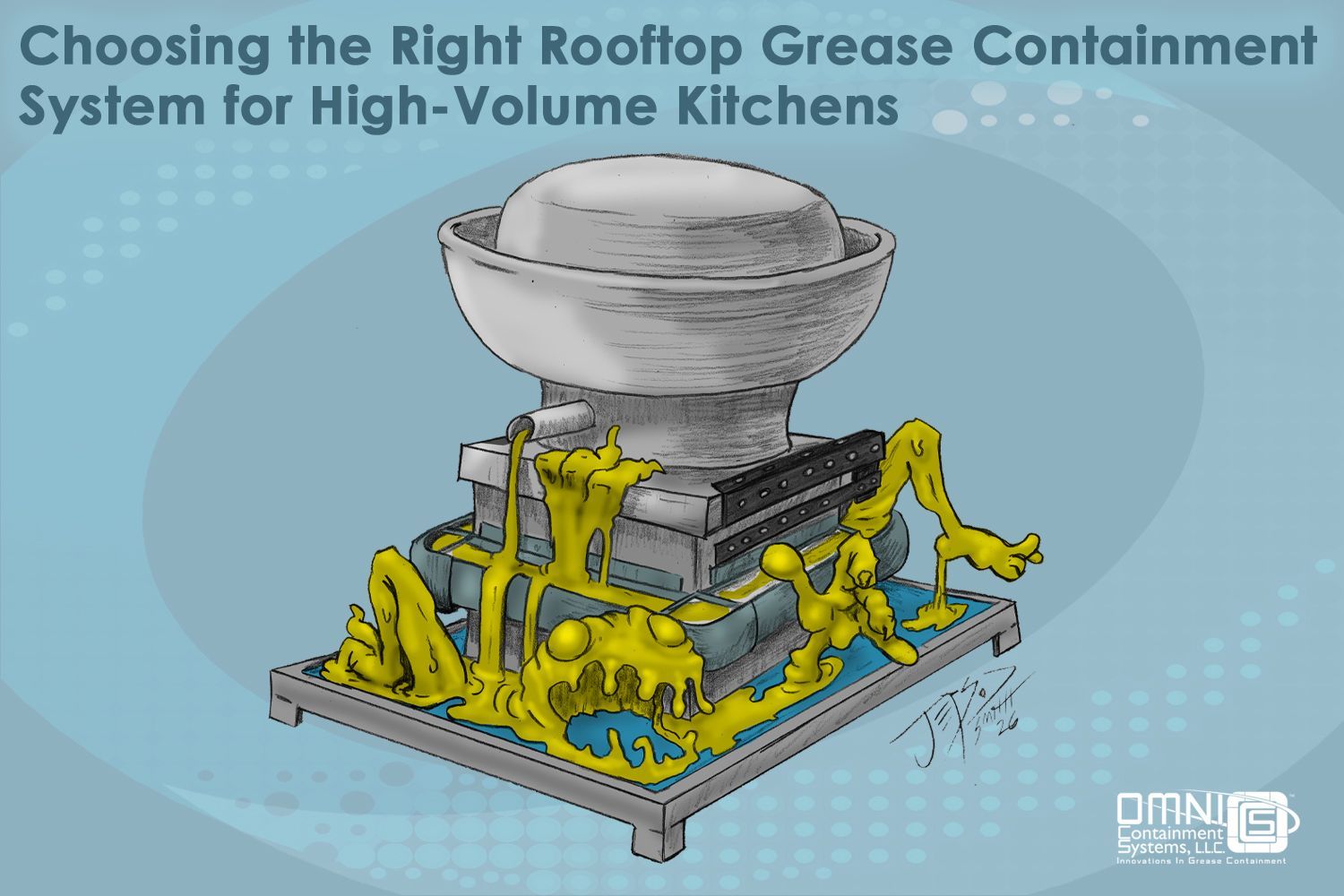
Choosing the Right Rooftop Grease Containment System for High-Volume Kitchens
16 June 2026
Compare Grease Gutter™, Roof Guardian™, The Grease Box™, and EFI™ systems to find the best rooftop grease containment solution for your commercial kitchen.
28 May 2026
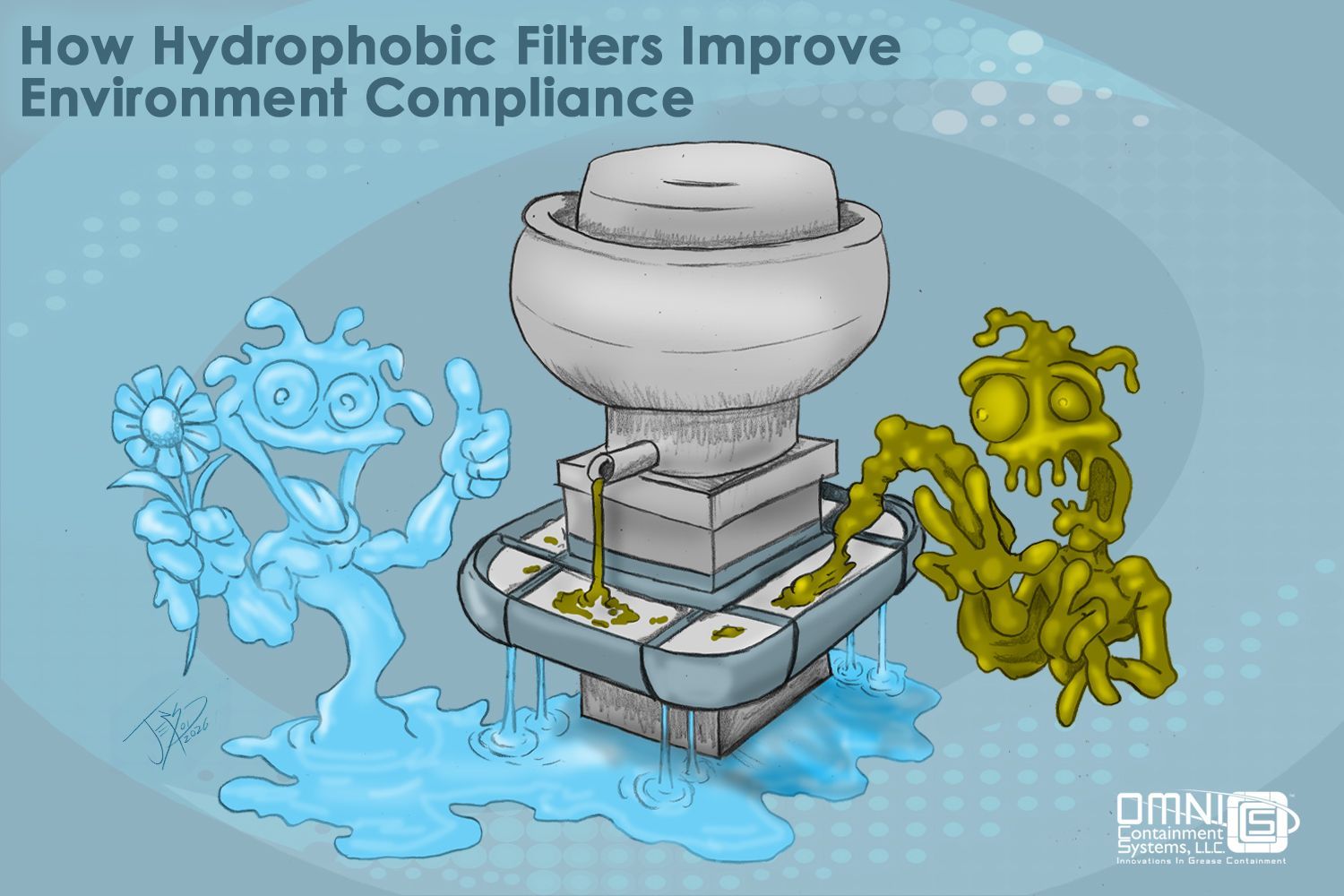
Discover how hydrophobic grease filters improve rooftop greases containment, reduce stormwater pollutions, support EPA compliance, and lower maintenance costs for commercial kitchens.
23 April 2026
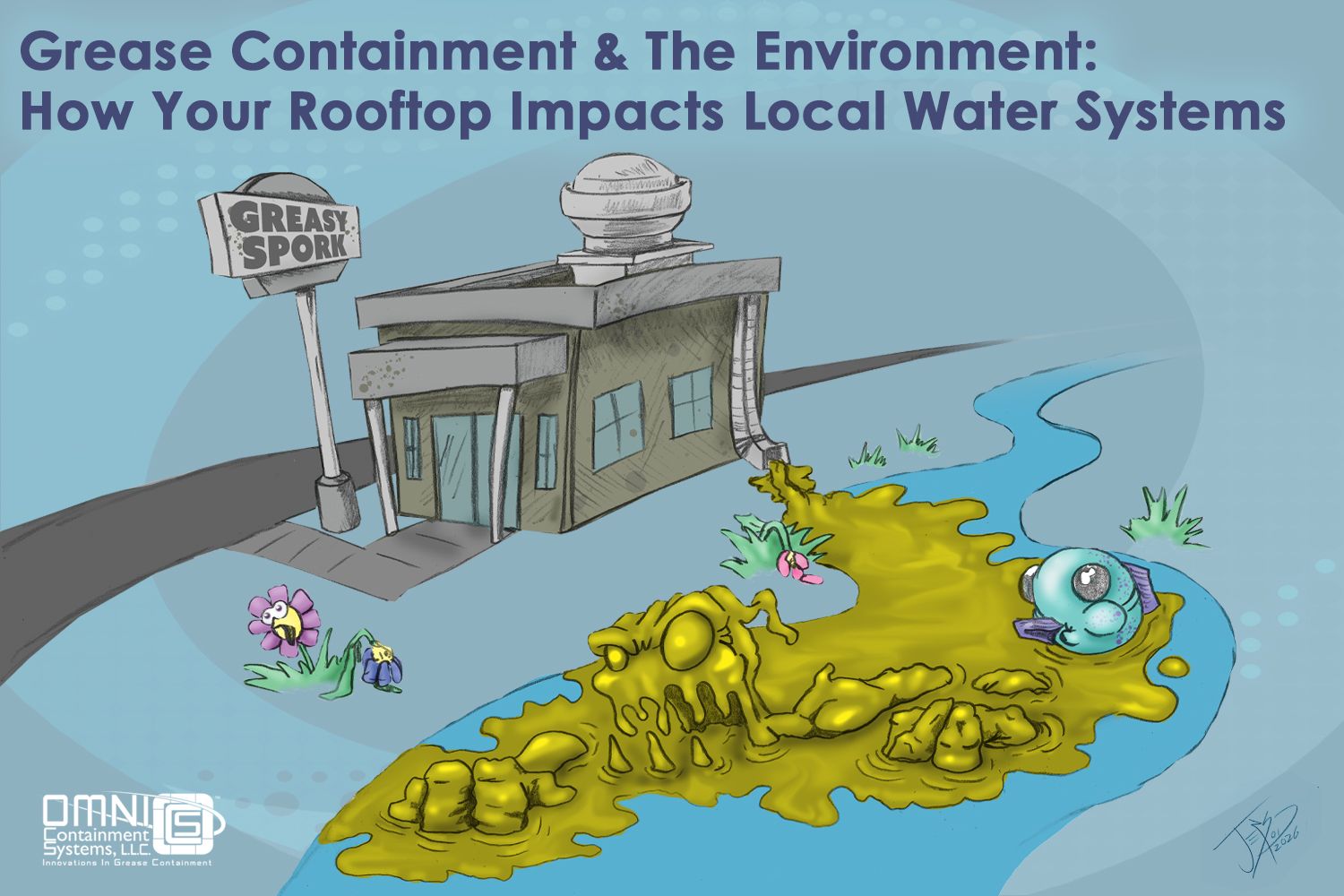
When people think about environmental responsibility in commercial kitchens, they usually focus on what goes down the drain. But one of the most overlooked sources of pollution isn’t inside your facility, it’s on your roof. Rooftop grease runoff from kitchen exhaust systems can have a direct and damaging impact on local water systems, storm drains, and surrounding ecosystems. Without proper containment , that grease doesn’t just disappear, it travels. From Rooftop to Waterway: How Grease Becomes Pollution Commercial kitchen exhaust systems are designed to remove heat, smoke, and airborne grease particles. While hood filters capture some of that grease, a significant amount still passes through the system and accumulates in ductwork and exhaust fans. Over time, this buildup begins to drip onto the roof, spread across roofing materials, and get carried away by rainwater. Once rain hits your roof, it acts as a transport system, moving grease into gutters, downspouts, and ultimately into storm drains. Unlike sanitary sewer systems, stormwater runoff is often discharged directly into local waterways without treatment. As a result, grease from your rooftop can end up in rivers, lakes, municipal stormwater systems, and surrounding soil. Why It Matters: Environmental and Operational Risks The impact of rooftop grease runoff extends beyond a messy roof; it creates real environmental and operational concerns. Grease contains fats, oils, and contaminants that can degrade water quality. When introduced into natural water systems, it can harm aquatic life, disrupt oxygen levels, and contribute to long-term ecosystem damage. At the same time, regulatory compliance is at risk. Local and federal requirements , often tied to EPA stormwater guidelines, mandate that facilities prevent pollutants from entering storm drains. Uncontrolled grease runoff can lead to fines, failed inspections, and increased scrutiny.  There are also direct impacts on your facility. Grease buildup can deteriorate roofing materials, void warranties, and create slip hazards for maintenance personnel. What begins as a rooftop issue can quickly escalate into a costly problem. The Role of Grease Containment Systems A properly designed grease containment system serves as a critical barrier between your exhaust system and the environment. Instead of allowing grease to spread across the roof, these systems capture it at the source, right at the exhaust fan's discharge. Filtration media absorbs and holds the grease, preventing runoff during rain events and reducing the risk of environmental contamination. More advanced systems incorporate multi-stage filtration, improving efficiency while reducing maintenance frequency. The result is a cleaner, safer, and more controlled rooftop environment. Sustainability Starts at the Source Environmental responsibility isn’t just about compliance; it’s about prevention . By addressing grease at the rooftop level, facilities can reduce their environmental footprint, support local water quality initiatives, and align with broader sustainability. For multi-site operators and property managers, this becomes even more important. A single poorly managed rooftop can impact not just one building, but an entire property, or even the surrounding community. Best Practices for Preventing Rooftop Grease Runoff Preventing grease runoff doesn’t require a complete overhaul, but it does require consistency and the right approach . Start by installing a high-quality grease containment system designed for durability and ease of maintenance. From there, regular maintenance is key. Filtration media should be inspected and replaced as needed to ensure the system continues performing effectively. Routine rooftop inspections can help identify buildup early, before it becomes a larger issue. Finally, working with experienced professionals ensures proper system selection and installation, setting up the foundation for long-term performance. A Small Change with a Big Impact Grease containment may seem like a small part of your operation, but its impact extends far beyond your rooftop. By taking proactive steps to manage grease runoff, you’re not only protecting your building, but you’re also helping protect your local environment and water systems. Looking to improve your rooftop grease management? Omni Containment Systems provides innovative solutions designed to keep grease where it belongs, off your roof and out of waterways.
by technical 25 March 2026
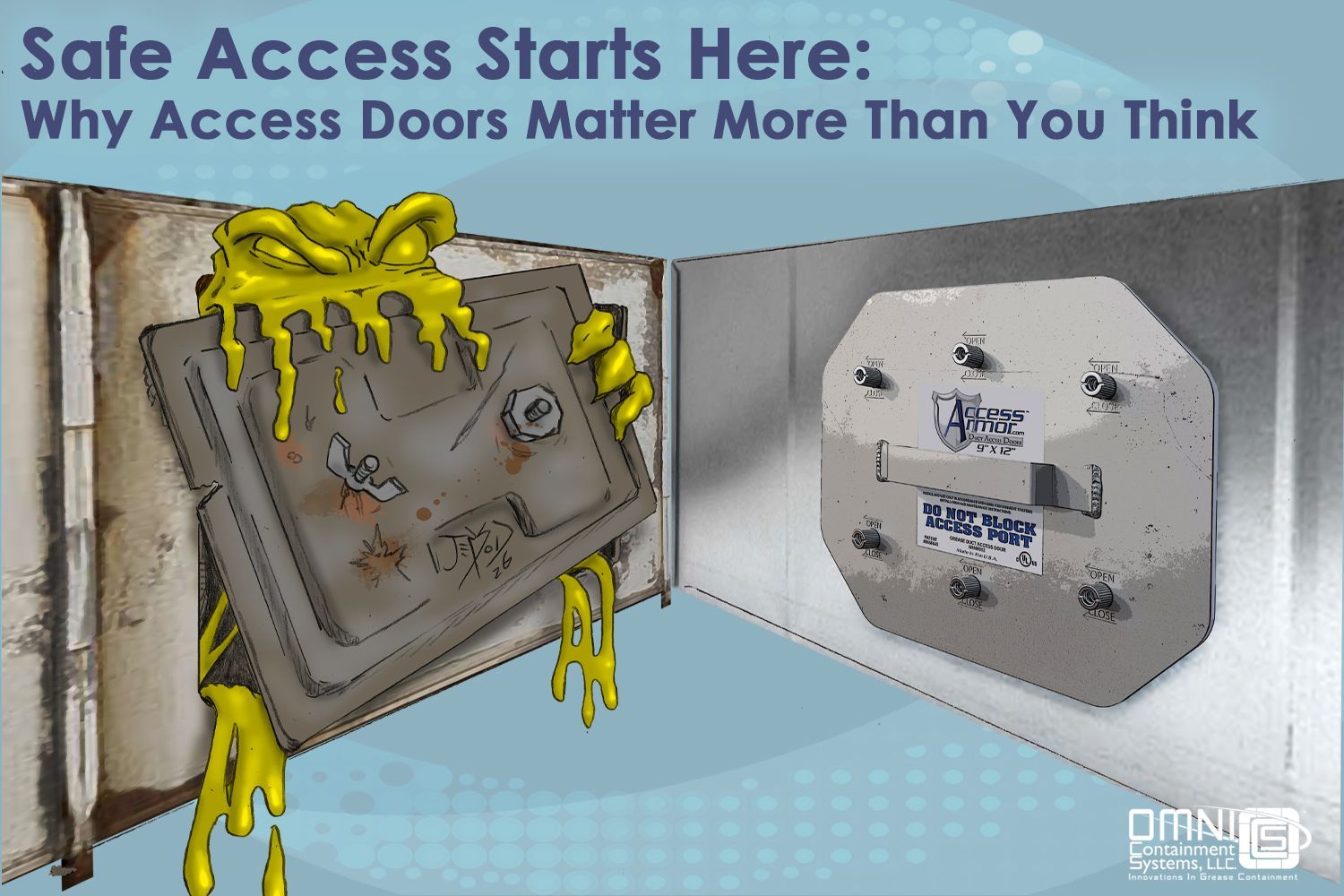
Proper duct access improves safety and cleaning efficiency in kitchen exhaust systems. Learn why Access Armor doors help technicians work safe and stay NFPA compliant.
common duct cleaning mistakes, duct cleaning best practices, ventilation system cleaning errors
by technical 21 February 2026
Discover the most common duct cleaning mistakes that reduce air quality and HVAC efficiency. Learn how to improve protocols, avoid costly errors, and choose the right equipment.
grease containment for exhaust fans, rooftop grease solutions, commercial kitchen exhaust safety
by technical 19 January 2026
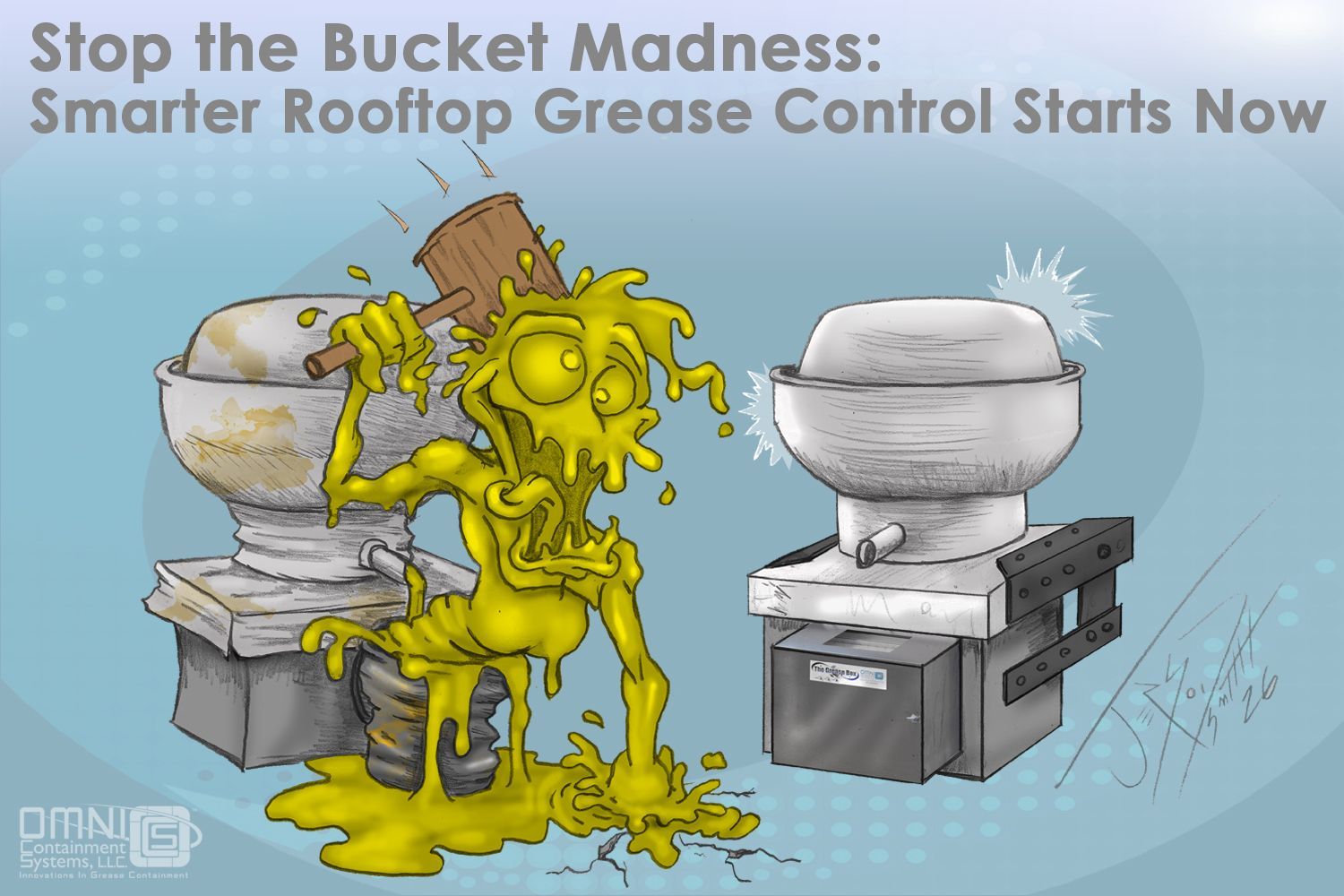
Leave buckets behind in 2026. Discover smarter rooftop grease containment systems, filters, and NFPA 96-compliant solutions from Omni Containment Systems.
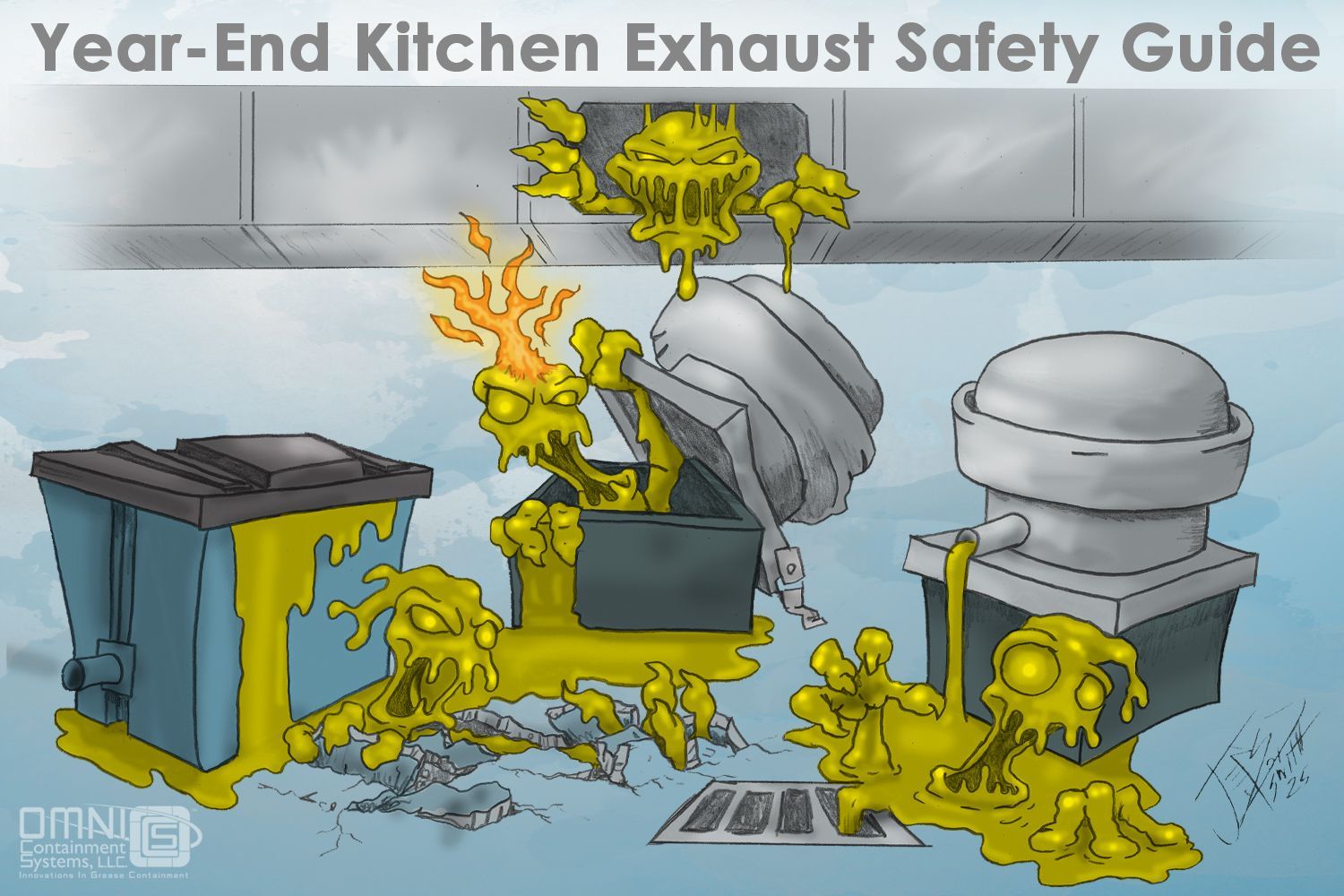
Illustration: kitchen equipment overtaken by yellow, gloopy substance with flaming head, suggesting hazards.
by technical 10 December 2025
Finish the year strong with a rooftop kitchen exhaust system that’s safe, compliant, and winter-ready. Discover common issues to check, filter tips, and NFPA 96-compliant solutions from Omni.
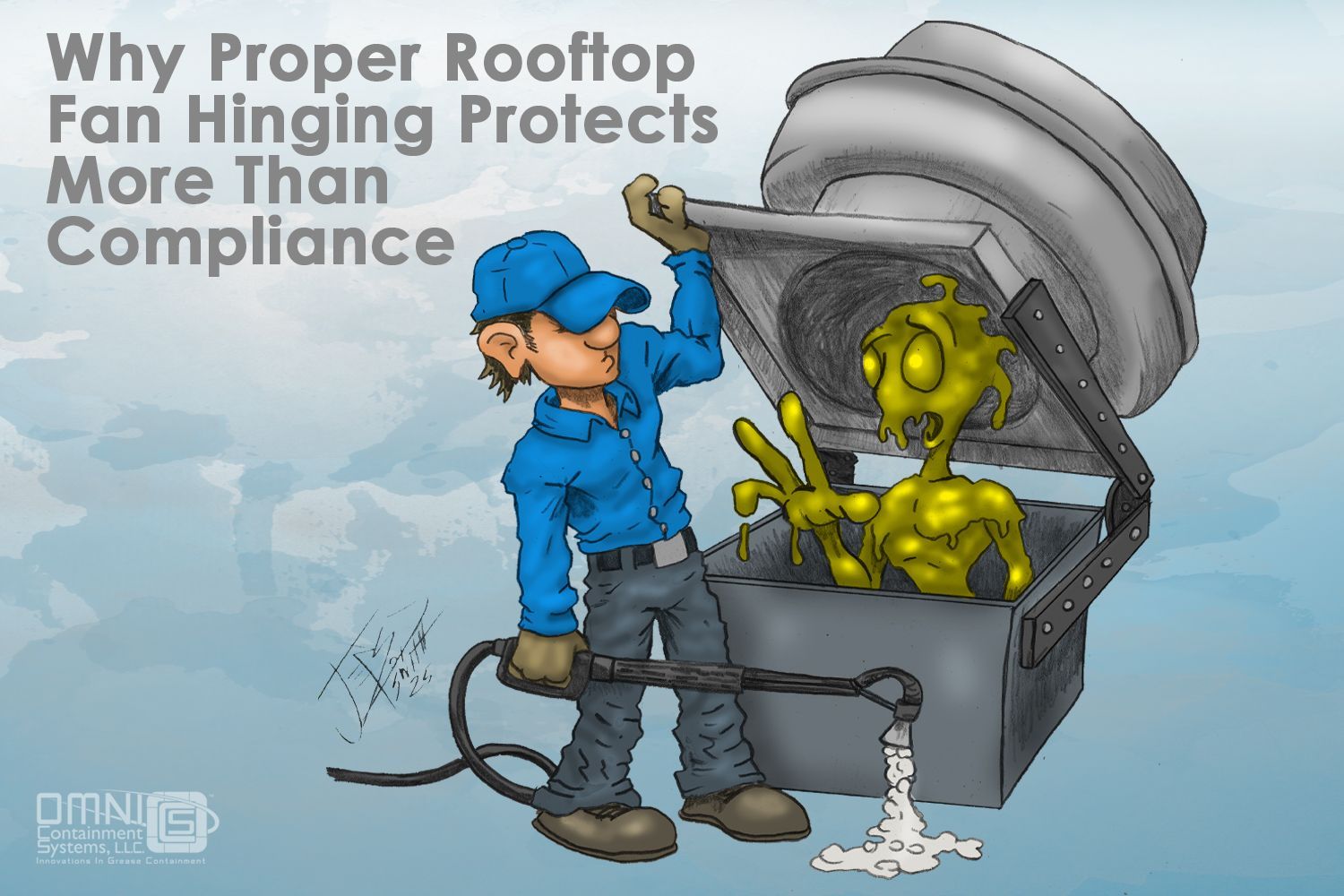
Cartoon of a worker, next to a rooftop fan, reaching for a gooey alien inside the fan's housing.
by technical 12 November 2025
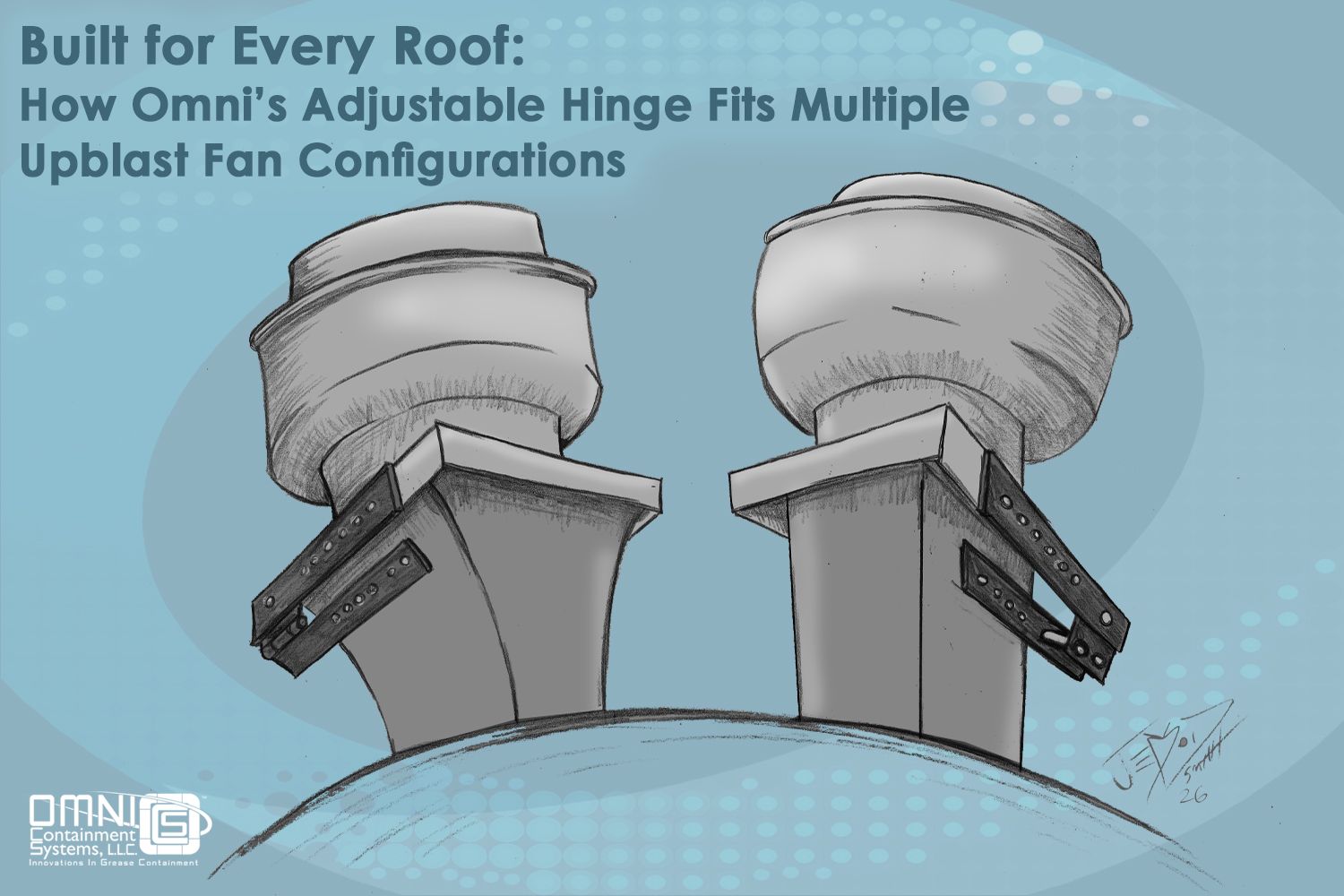
Ensure your rooftop exhaust fans are safe, serviceable, and fully NFPA 96 compliant. Learn why the right hinge matters and explore Omni’s durable, code-compliant hinge kits.
Yellow blob creature, flaming pumpkin, and grease-covered block warn about grease fire dangers in October.
by technical 30 October 2025
Protect your restaurant from costly grease fires. Learn key fire prevention tips, NFPA 96 compliance insights, and rooftop safety solutions from Omni Containment Systems.
An advertisement for fire safety.  Chimney and trash can on fire with fall foliage. Text:
by Admin 22 September 2025
This fall, safeguard your restaurant with NFPA 96-compliant fire safety upgrades. Omni Containment Systems offers Super Hinges, grease containment solutions, and VISIOMAX inspections to protect kitchens before the busy holiday season.
More posts