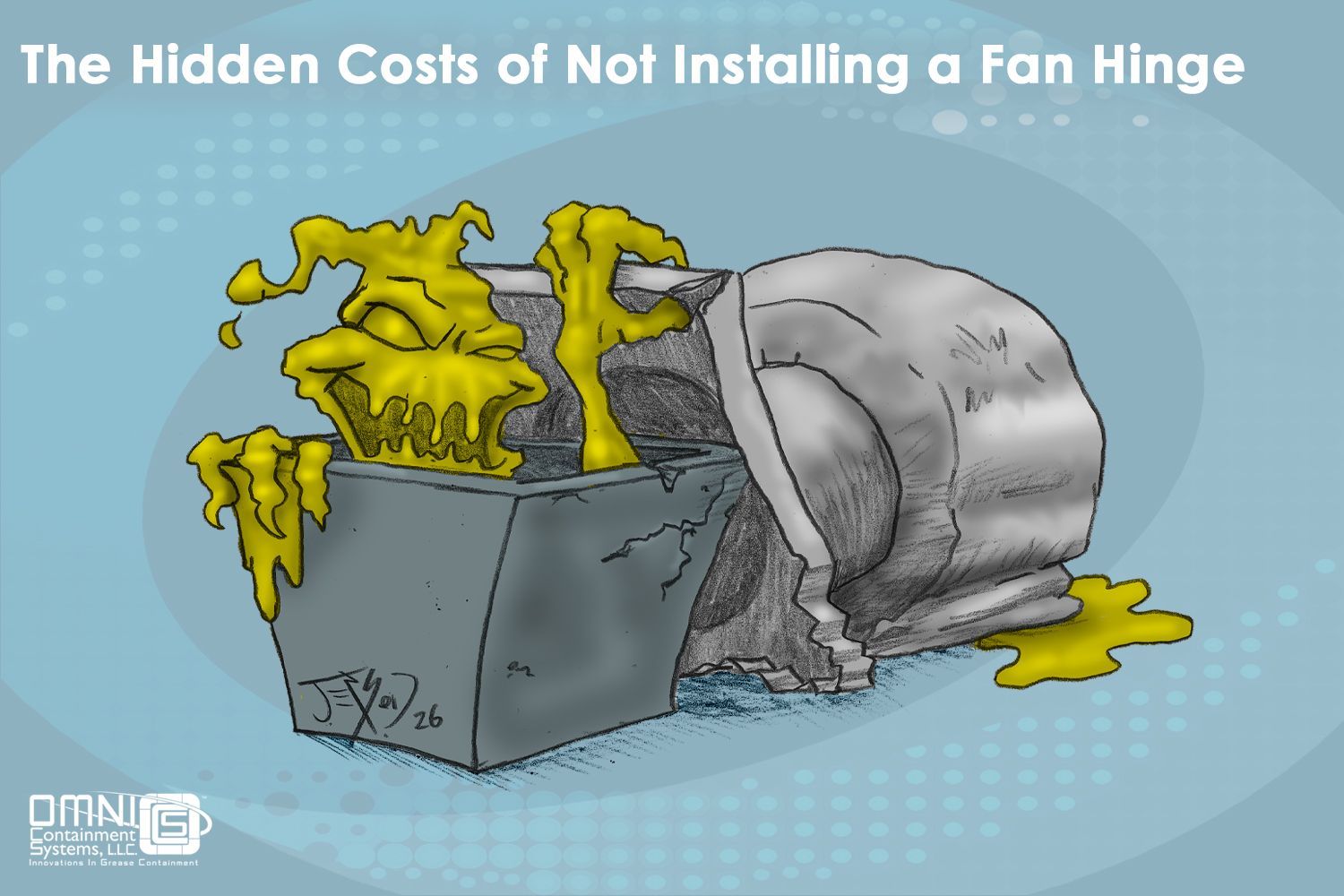
The Hidden Costs of Not Installing a Fan Hinge
When evaluating a commercial kitchen exhaust system, a fan hinge may seem like a relatively small component. Compared with the hood, ductwork, exhaust fan, and grease containment systems, it can be easy to overlook.
But when it’s time to inspect, clean, or service that rooftop exhaust fan, the value of a properly installed hinge becomes much clearer.
Without the right hinge system, accessing the fan and ductwork can become more difficult, potentially increasing labor, creating unnecessary strain on equipment, and making routine kitchen exhaust maintenance more challenging.
The cost of skipping a fan hinge isn’t always obvious upfront. Over the life of the exhaust system, however, those hidden costs can add up.
1. More Time Spent on Routine Cleaning
Time is money, especially for kitchen exhaust cleaning contractors.
Technicians need access beneath rooftop exhaust fans to properly clean and inspect the fan, ductwork, and surrounding components. When an exhaust fan isn’t properly hinged, simply gaining that access can add another challenge to the job.
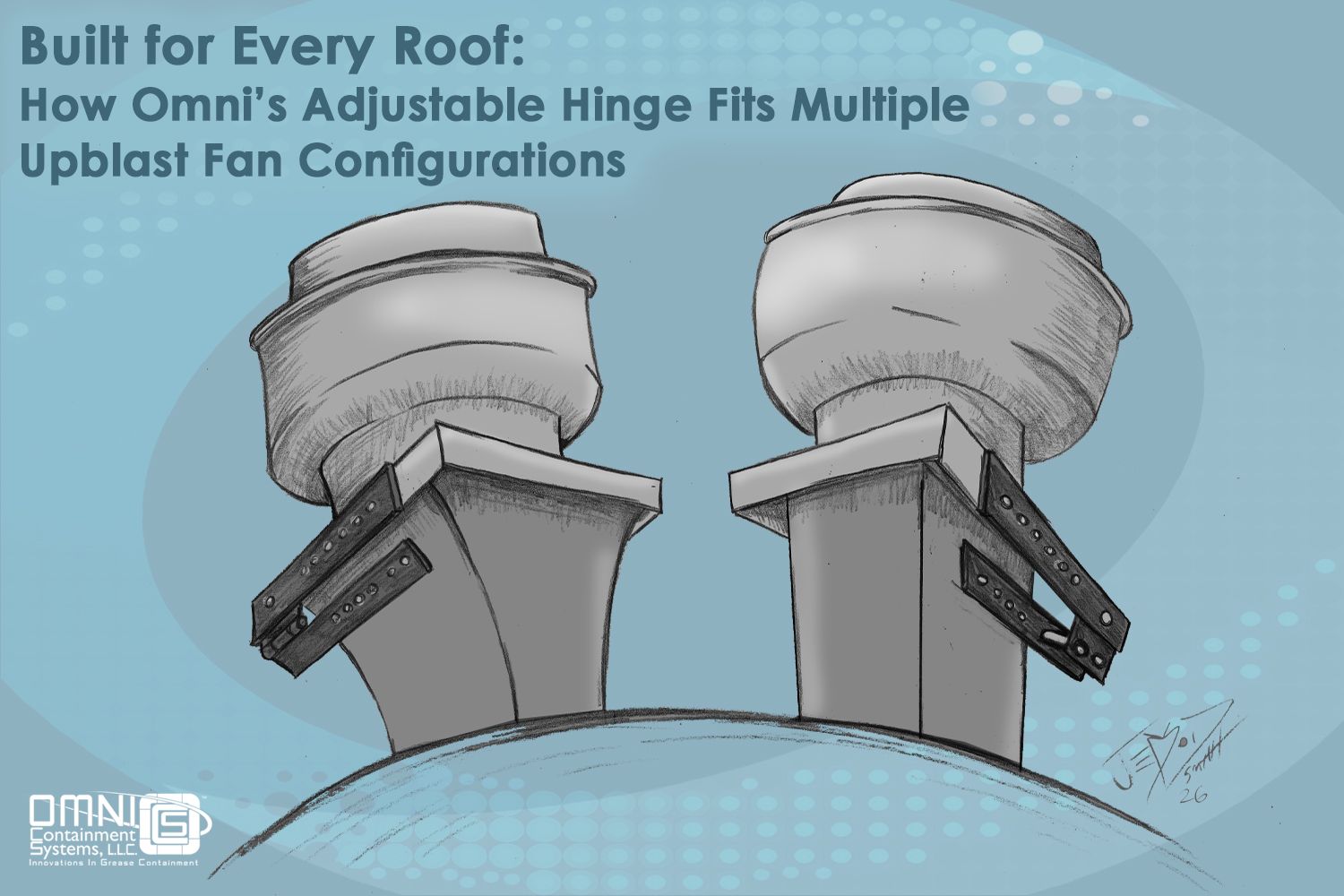
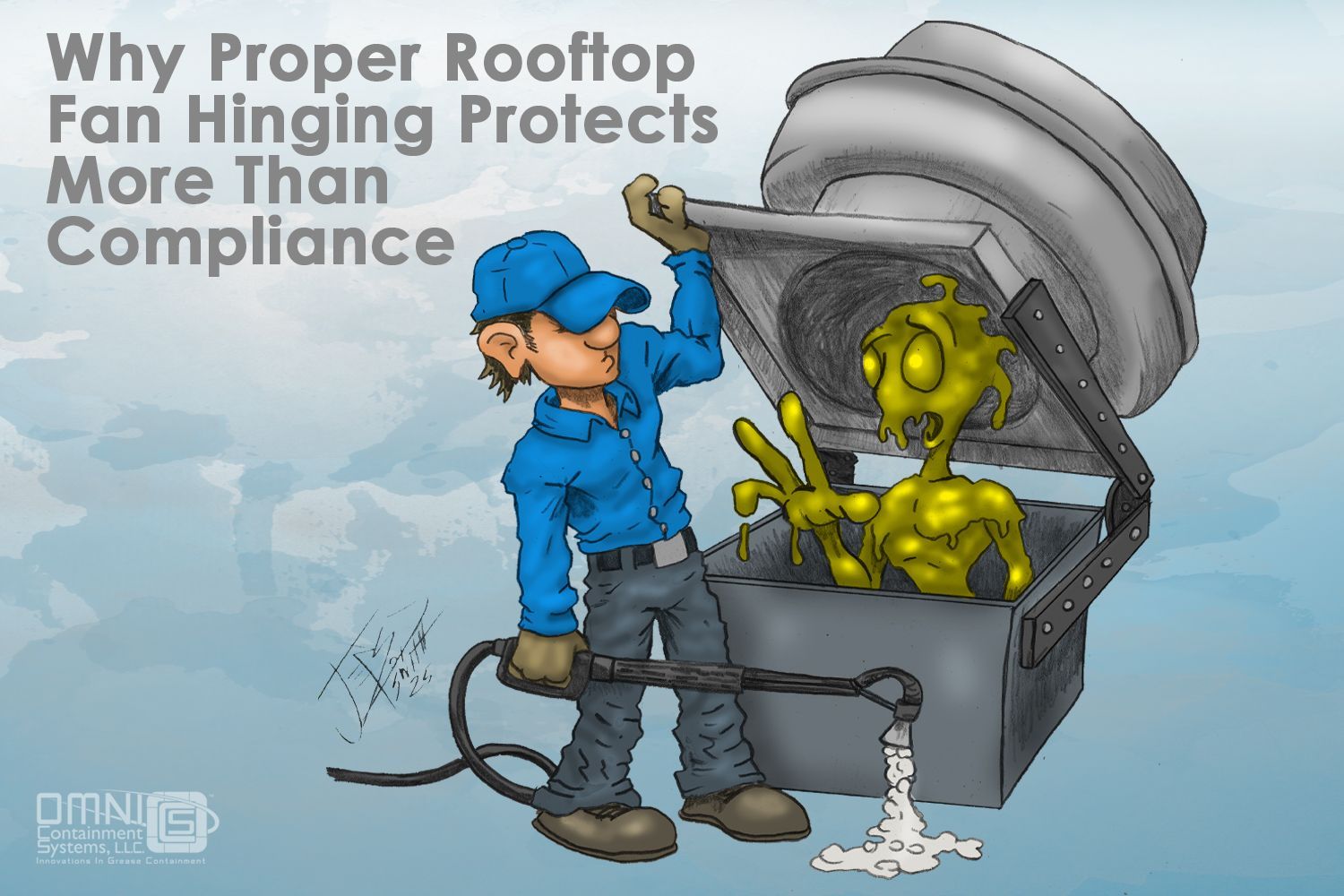
A properly installed exhaust fan hinge provides a controlled way to tilt the fan away from the duct opening while keeping it supported.
That can give technicians easier access to:
· The underside of the exhaust fan
· Fan blades and housing
· The top of the exhaust duct
· The fan curb
· Areas where grease has accumulated around the system
Better access can help technicians spend more of their service visit cleaning and less time figuring out how to safely access the equipment.
For contractors completing multiple jobs each day, even small improvements in efficiency can make a difference over time.
2. Increased Risk of Equipment Damage
A commercial upblast exhaust fan is not something technicians should have to wrestle with every time the system needs service.
Without a suitable hinge, moving or repositioning the fan may place unnecessary stress on the fan or its associated components.
Electrical connections can be particularly important. If a fan is moved farther than its wiring safely allows, components could potentially be pulled, strained or damaged.
Damage to the fan, wiring, curb, or surrounding equipment can quickly turn routine maintenance into an unexpected repair.
A properly selected and installed hinge provides a consistent pivot point, helping the fan move in a more controlled manner during cleaning and maintenance.
3. A More Difficult Job for Service Technicians
Kitchen exhaust cleaning is already physically demanding work.
Technicians work with grease, water, chemicals, heavy equipment, ladders, and rooftop conditions. All while trying to thoroughly clean components that aren't always easy to reach.
An exhaust fan that is difficult to open adds another unnecessary challenge.
The right hinging will also reduce the likelihood of injury to service personnel, both during installation and later servicing and cleaning. By supporting controlled access to the fan and duct opening, a hinge can help make an already demanding task more manageable.
For kitchen exhaust cleaning companies, making equipment easier to service can also support technician productivity and more consistent work practices.
4. Limited Access Can Make Thorough Cleaning More Difficult
You can’t properly clean what you can’t adequately reach.
Grease can accumulate throughout the rooftop portion of a kitchen exhaust system, including on fan blades, housings, duct surfaces, and other difficult-to-access areas.
When the fan can be properly tilted away from the duct opening and locked open, technicians have clearer access to inspect and clean these areas.
Limited access on the other hand, can make the cleaning process more difficult and time consuming.
That matters because grease accumulation isn’t simply an appearance issue. Proper kitchen exhaust cleaning is an important part of managing fire risk and maintaining an effective commercial kitchen ventilation system.
5. Maintenance Problems Can Multiply Over Time
An exhaust fan isn't serviced once and forgotten.
Commercial kitchen exhaust systems require ongoing inspection, cleaning, and maintenance. That means any difficulty accessing the fan can be repeated service visit after service visit.
Consider the cumulative impact of:
· Additional technician time
· Difficult fan access
· Increased handling of equipment
· More complicated inspections
· Potential repairs from improperly supported equipment
A relatively small component installed today can influence how easily the system is maintained for years to come.
That's why it's useful to think of a fan hinge not simply as an accessory, but as part of the long-term serviceability of the exhaust system.
6. The Wrong Hinge Can Create Problems Too
Installing a hinge is only part of the equation. It also needs to be appropriate for the exhaust fan configuration.
Commercial rooftops can feature upblast fans from different manufacturers, varying base dimensions, curb configurations, equipment layouts, and other installation conditions. A one-size-fits-all mentality can make installation unnecessarily complicated.
And adaptable exhaust fan hinge provides greater flexibility when technicians encounter different configurations in the field. This can be particularly valuable for kitchen exhaust cleaning contractors who service many types of facilities and fan systems.
Choosing the right hinge helps ensure that the solution improves serviceability rather than creating another obstacle.
7. Accessibility Matters for Inspection and Maintenance
Kitchen exhaust systems must be accessible so their components can be properly inspected, cleaned, and maintained.
NFPA 96 addresses access and maintenance requirements for commercial cooking exhaust systems, making serviceability an important consideration when evaluating rooftop equipment.
A properly installed hinge can help provide access to the exhaust fan and duct opening during service.
However, a hinge should be viewed as one component of the complete system. Fan installation, electrical wiring, clearances, grease containment, and other components must also be properly addressed for the specific application.
A Small Investment with Long-Term Value
It's easy to look at a fan hinge and see another piece of rooftop hardware.
Look at it over the lifespan of the exhaust system, though, and the value becomes much bigger.
The right hinge can help provide:
· Easier access for cleaning and inspection
· More efficient routine maintenance
· Controlled movement of the exhaust fan
· Reduced likelihood of damage during servicing
· Safer working conditions for technicians
· Greater adaptability across different fan configurations
· Better long-term serviceability
The upfront cost of a properly installed hinge should be weighed against the recurring costs and challenges that can come from servicing an exhaust fan without one.
Don't Let a Small Component Become a Big Problem
When you're standing on a rooftop trying to access a grease-covered exhaust system, a fan hinge no longer feels like a minor detail.
It's a practical tool that can make cleaning, inspection, and maintenance easier throughout the life of the equipment.
Omni Containment Systems offers adaptable hinging solutions designed for the real-world configurations kitchen exhaust professionals encounter in the field. Whether you're working with a new installation or upgrading an existing rooftop exhaust fan, choosing the right hinge can help make future service easier, safer, and more efficient.
Don't wait until the next cleaning to discover how difficult your exhaust fan is to access. Contact Omni Containment Systems to learn more about our fan hinging solutions and find the right option for your application.
Share This Blog Post!