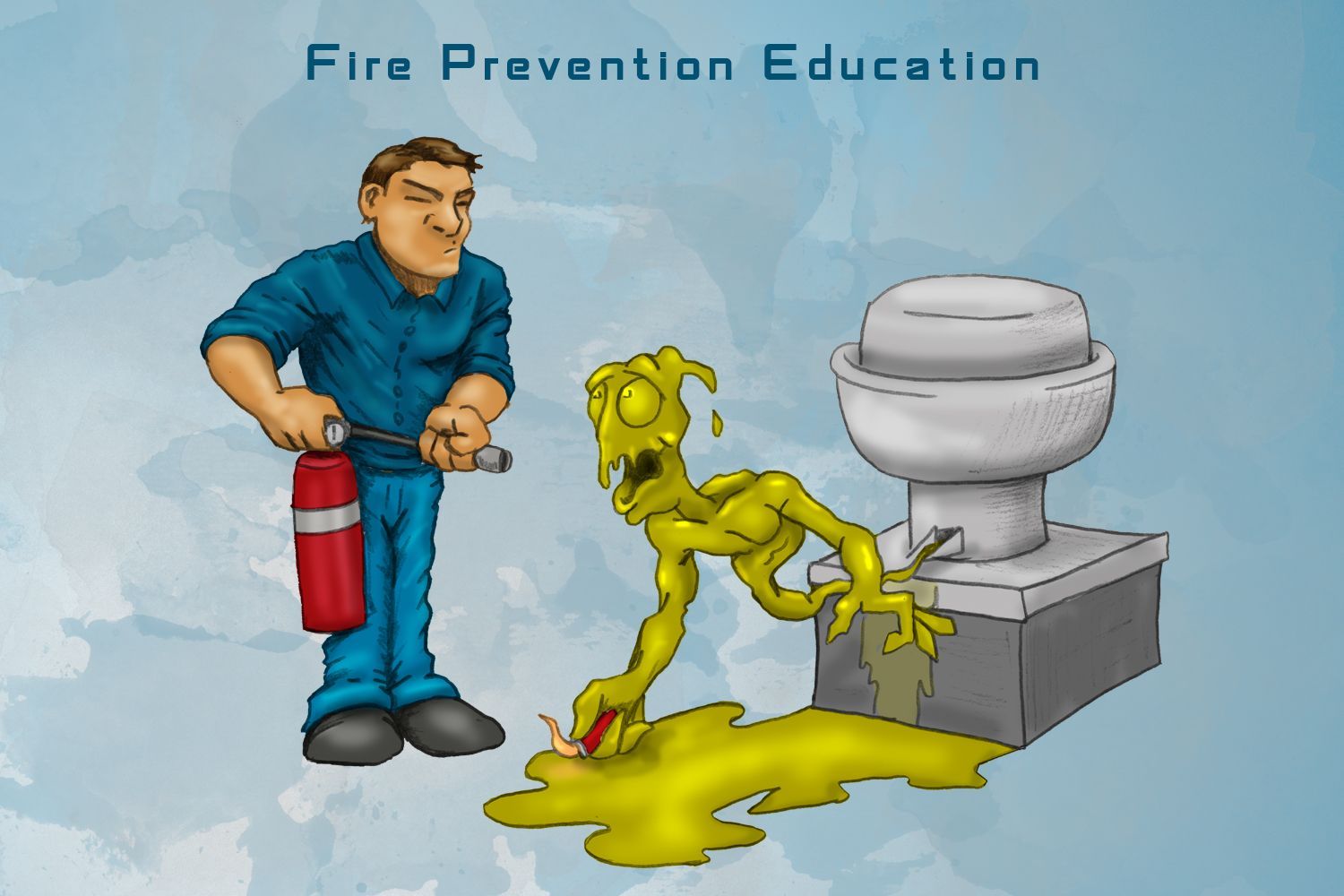
Fire Prevention Education & Awareness

Fire Prevention Education & Awareness

October is Fire Prevention Month! While fire prevention is certainly a concern for just about everyone, it is especially important to people and businesses whose specific jobs and companies exist for the purpose of fire prevention. Hood and duct cleaning companies, and their teams, are in the brotherhood of life and property protectors. The best thing this industry can do to prevent fires is educating the public and raising awareness about the purpose of hood cleaning companies. Education is the best method to help others understand the importance of fire prevention in restaurants, commercial kitchens, and other eating establishments.

Fire Prevention Education

First, the owner and crew chiefs of hood cleaning companies should be thoroughly versed in NFPA 96 codes, the reasons behind the codes, and any state or local regulations that apply to the territories they cover. If a hood and duct cleaner doesn’t know what codes their company helps protect or what products are available to bring their restaurant customers into compliance, they are doing a great disservice to their own company income and industry.

This is particularly dangerous to the industry because when you can’t educate your client in fire prevention, it leaves them at risk. If they don’t have the proper products installed or don’t know how often they need their hoods cleaned, this leaves them open to potential disasters, including, but not limited to, fines from the EPA, fire marshals, or other agencies and property damages or loss. While a greasy roof might only cost a lot of money in terms of repair, a fire can devastate the building and result in injuries or death. Ignorance is NOT bliss in the hood and duct cleaning industry! Educate yourself so you can educate your customers on codes and options.

Additionally, be sure to get to know your local fire marshals and other AHJs (authorities having jurisdiction). They are involved in all aspects of public safety and building codes, not just fire prevention. A well informed AHJ needs to know codes relating to plumbing, construction, electrical, and any number of other aspects related to public and property safety. That’s a lot of information for them to know! So, help them out with your area of expertise: fire safety and prevention. Help educate them on what to look for when it comes to code violations and potential hazards. When they are educated, the AHJs that inspect restaurants in your territory can be a valuable resource to you. When you cultivate a good relationship with them, they may very well become additional eyes and great allies.

Fire Prevention Awareness

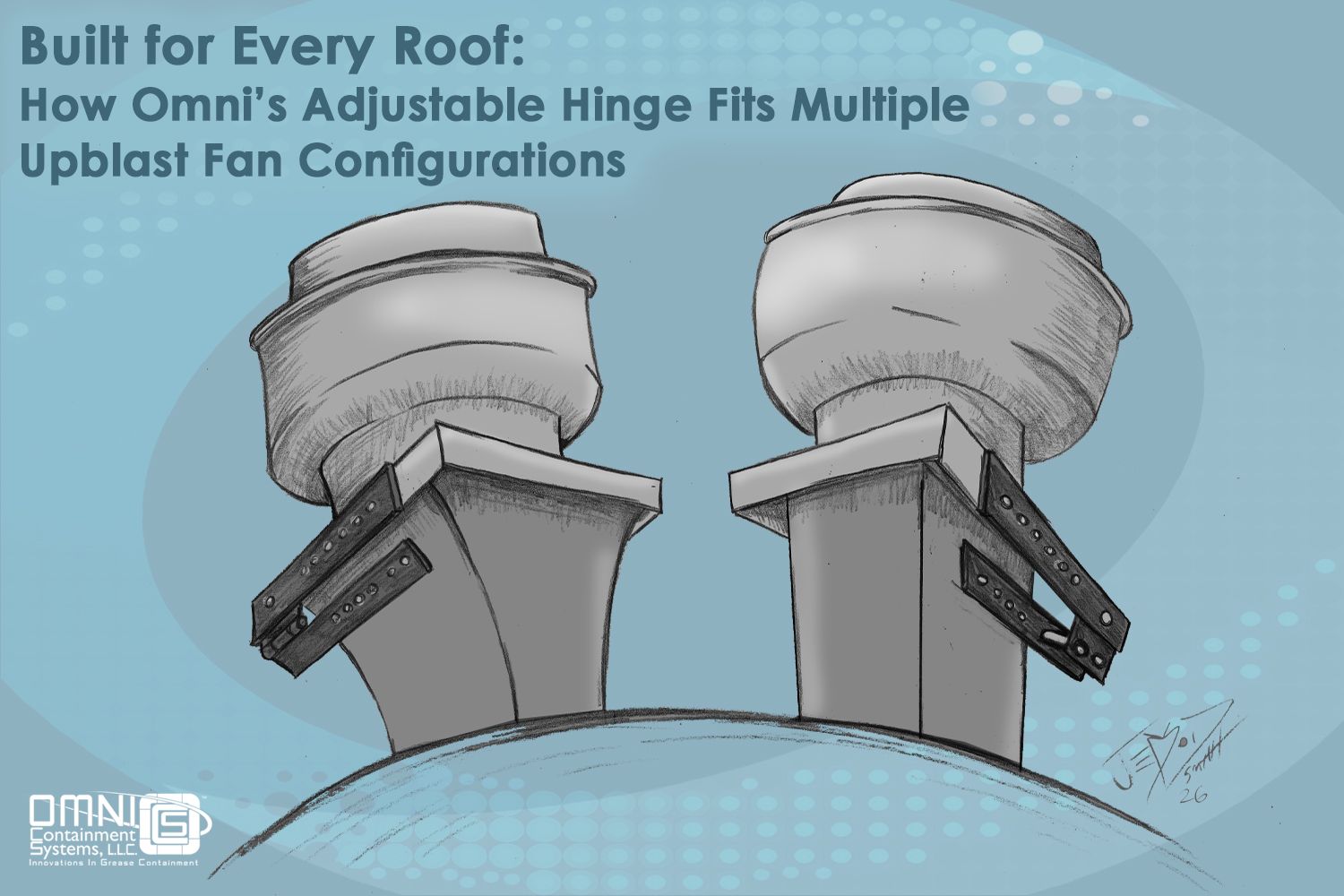
Now that you have educated yourself and your service crews on the NFPA 96 codes, the reasons behind the codes, state or local regulations, and the products available on the market, the next step in the education process is to share your knowledge with your customers and make them aware of what could happen if the necessary steps aren’t taken. A restaurant owner or general manager might very well balk at the cost and/or the need when you tell him or her that a hinge kit is needed on the rooftop exhaust fan.

When you don’t make your customers aware of the risks, they don’t understand the benefits. Making them aware is imperative to their restaurant’s success and safety! Utilize the education you now have and consult them into making the best decision for them and their team. Of course, nobody wants to spend money unnecessarily, but if you make it clear why that hinge kit is beneficial (or access door or grease containment system) they will feel more at ease and trust your consultation. Explain what the benefits are and what outcomes are possible if the proper safety measures aren’t taken.

Conclusion

October may officially be Fire Prevention Month, but in reality, EVERY month is fire prevention month. As hood and duct cleaners, it’s imperative that you do your part by educating yourself and then others about the work you do, safety code requirements, and products on the market. When you educate the people in your influence, you protect more than just a building from the devastation of fire; you’re protecting people’s lives. If you have any questions regarding Omni Containment System’s products, contact us today. We would be happy to educate you on our life-saving equipment.

Share This Blog Post!
20 July 2026
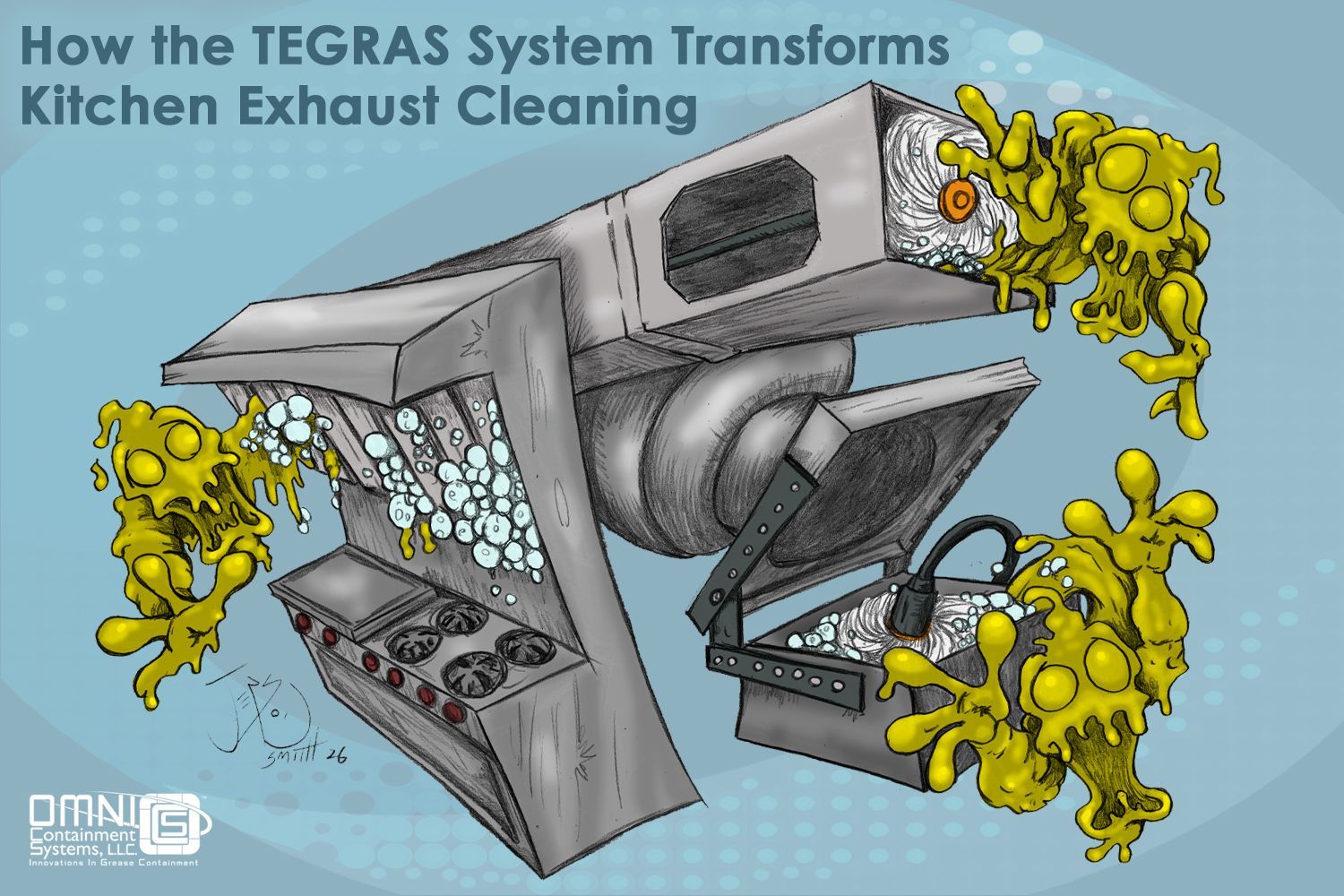
 Discover how the TEGRAS Kitchen Exhaust Cleaning System—including iFoam PRO, iFoam COMPACT, iBrush, FORTE, and MULTIPRO—improves efficiency, reduces labor, and delivers superior cleaning results.
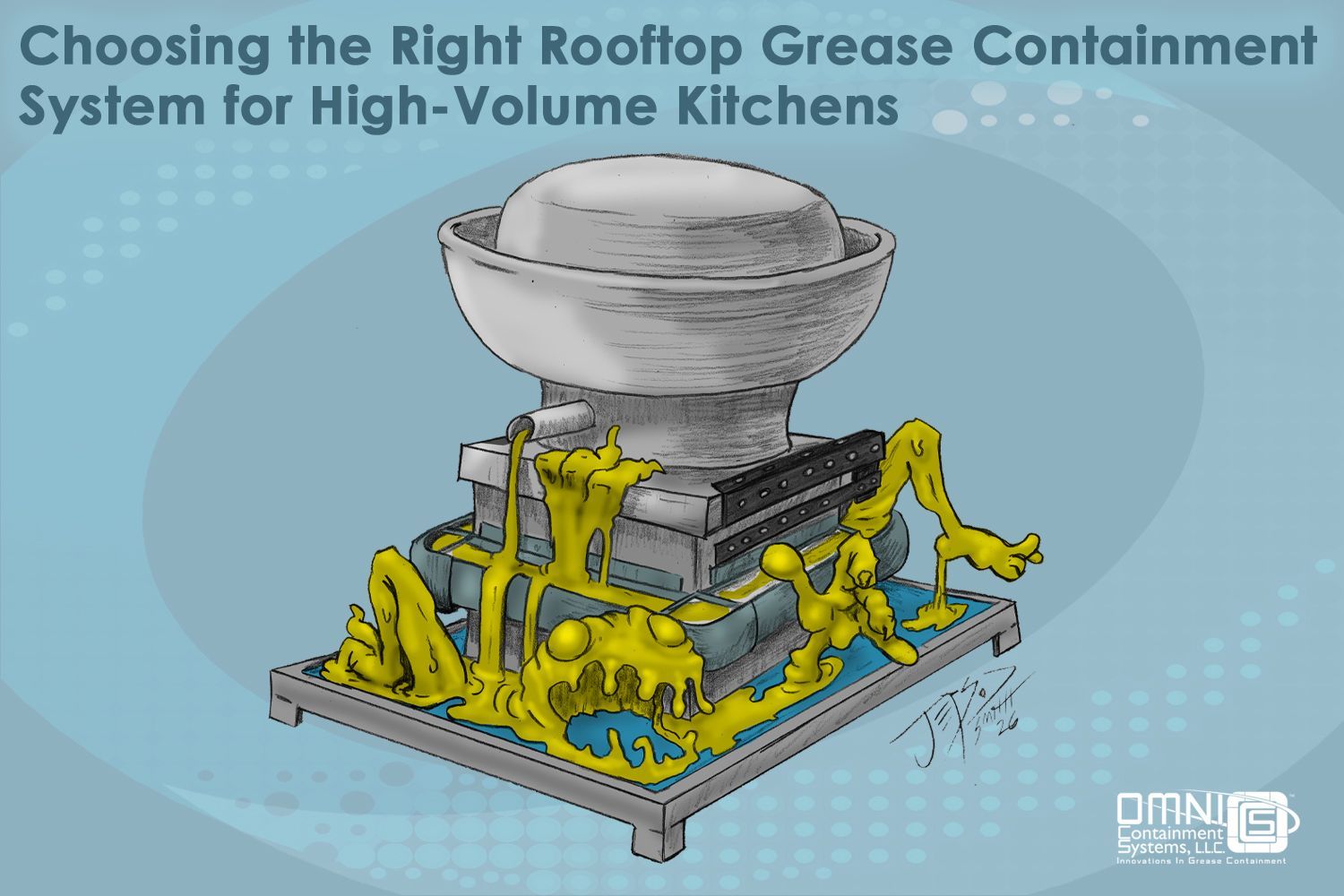
Choosing the Right Rooftop Grease Containment System for High-Volume Kitchens
16 June 2026
Compare Grease Gutter™, Roof Guardian™, The Grease Box™, and EFI™ systems to find the best rooftop grease containment solution for your commercial kitchen.
28 May 2026
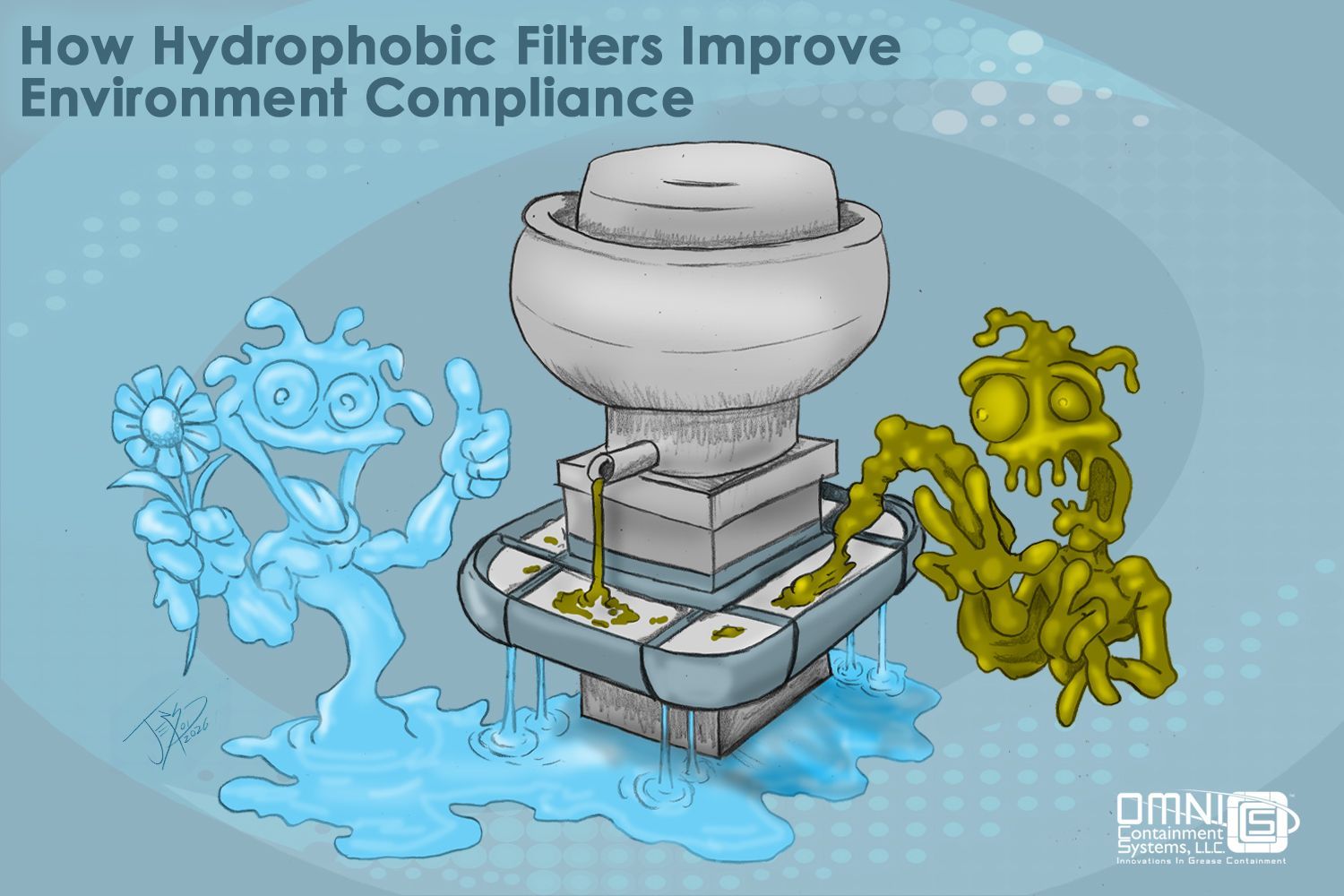
Discover how hydrophobic grease filters improve rooftop greases containment, reduce stormwater pollutions, support EPA compliance, and lower maintenance costs for commercial kitchens.
23 April 2026
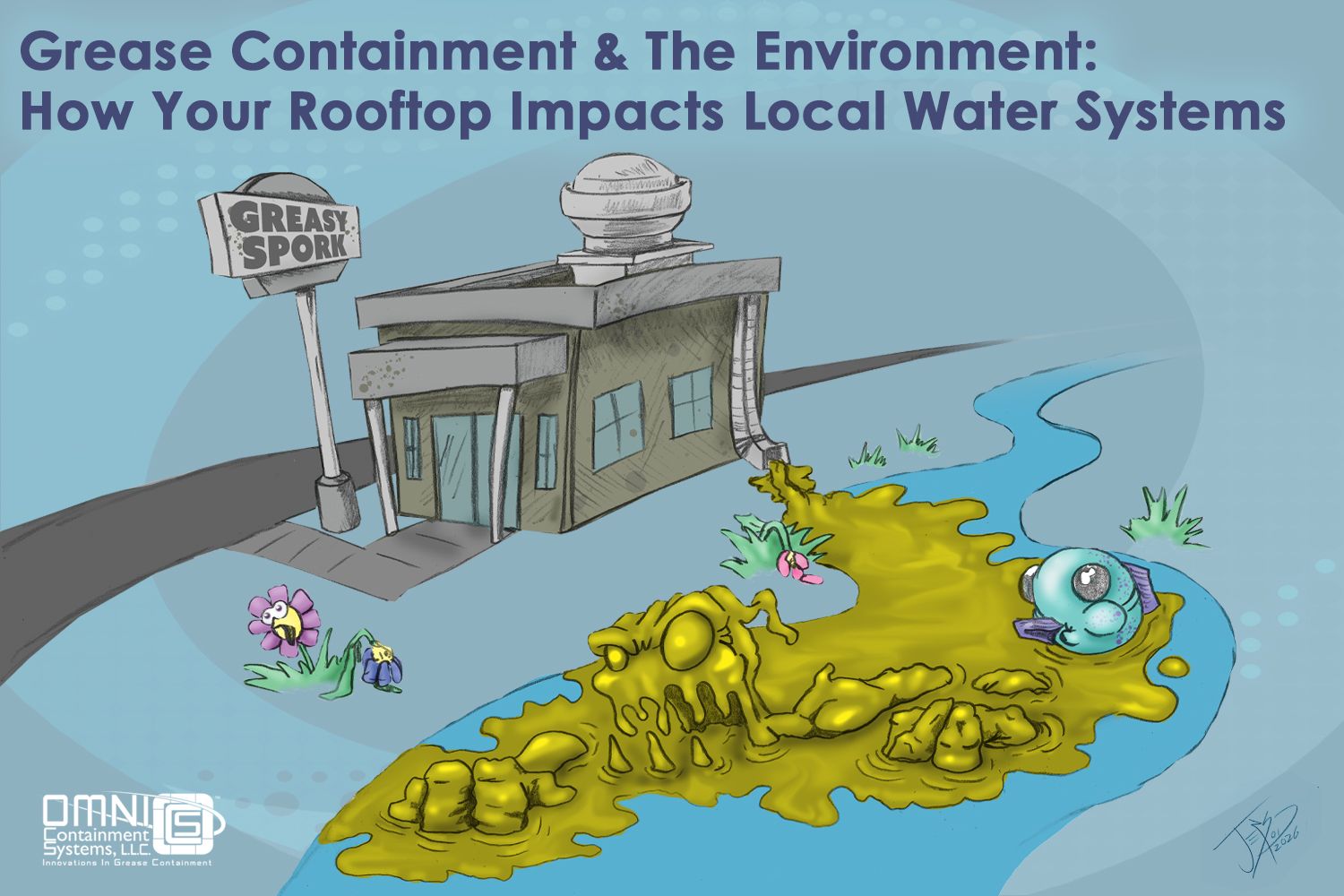
When people think about environmental responsibility in commercial kitchens, they usually focus on what goes down the drain. But one of the most overlooked sources of pollution isn’t inside your facility, it’s on your roof. Rooftop grease runoff from kitchen exhaust systems can have a direct and damaging impact on local water systems, storm drains, and surrounding ecosystems. Without proper containment , that grease doesn’t just disappear, it travels. From Rooftop to Waterway: How Grease Becomes Pollution Commercial kitchen exhaust systems are designed to remove heat, smoke, and airborne grease particles. While hood filters capture some of that grease, a significant amount still passes through the system and accumulates in ductwork and exhaust fans. Over time, this buildup begins to drip onto the roof, spread across roofing materials, and get carried away by rainwater. Once rain hits your roof, it acts as a transport system, moving grease into gutters, downspouts, and ultimately into storm drains. Unlike sanitary sewer systems, stormwater runoff is often discharged directly into local waterways without treatment. As a result, grease from your rooftop can end up in rivers, lakes, municipal stormwater systems, and surrounding soil. Why It Matters: Environmental and Operational Risks The impact of rooftop grease runoff extends beyond a messy roof; it creates real environmental and operational concerns. Grease contains fats, oils, and contaminants that can degrade water quality. When introduced into natural water systems, it can harm aquatic life, disrupt oxygen levels, and contribute to long-term ecosystem damage. At the same time, regulatory compliance is at risk. Local and federal requirements , often tied to EPA stormwater guidelines, mandate that facilities prevent pollutants from entering storm drains. Uncontrolled grease runoff can lead to fines, failed inspections, and increased scrutiny.  There are also direct impacts on your facility. Grease buildup can deteriorate roofing materials, void warranties, and create slip hazards for maintenance personnel. What begins as a rooftop issue can quickly escalate into a costly problem. The Role of Grease Containment Systems A properly designed grease containment system serves as a critical barrier between your exhaust system and the environment. Instead of allowing grease to spread across the roof, these systems capture it at the source, right at the exhaust fan's discharge. Filtration media absorbs and holds the grease, preventing runoff during rain events and reducing the risk of environmental contamination. More advanced systems incorporate multi-stage filtration, improving efficiency while reducing maintenance frequency. The result is a cleaner, safer, and more controlled rooftop environment. Sustainability Starts at the Source Environmental responsibility isn’t just about compliance; it’s about prevention . By addressing grease at the rooftop level, facilities can reduce their environmental footprint, support local water quality initiatives, and align with broader sustainability. For multi-site operators and property managers, this becomes even more important. A single poorly managed rooftop can impact not just one building, but an entire property, or even the surrounding community. Best Practices for Preventing Rooftop Grease Runoff Preventing grease runoff doesn’t require a complete overhaul, but it does require consistency and the right approach . Start by installing a high-quality grease containment system designed for durability and ease of maintenance. From there, regular maintenance is key. Filtration media should be inspected and replaced as needed to ensure the system continues performing effectively. Routine rooftop inspections can help identify buildup early, before it becomes a larger issue. Finally, working with experienced professionals ensures proper system selection and installation, setting up the foundation for long-term performance. A Small Change with a Big Impact Grease containment may seem like a small part of your operation, but its impact extends far beyond your rooftop. By taking proactive steps to manage grease runoff, you’re not only protecting your building, but you’re also helping protect your local environment and water systems. Looking to improve your rooftop grease management? Omni Containment Systems provides innovative solutions designed to keep grease where it belongs, off your roof and out of waterways.
by technical 25 March 2026
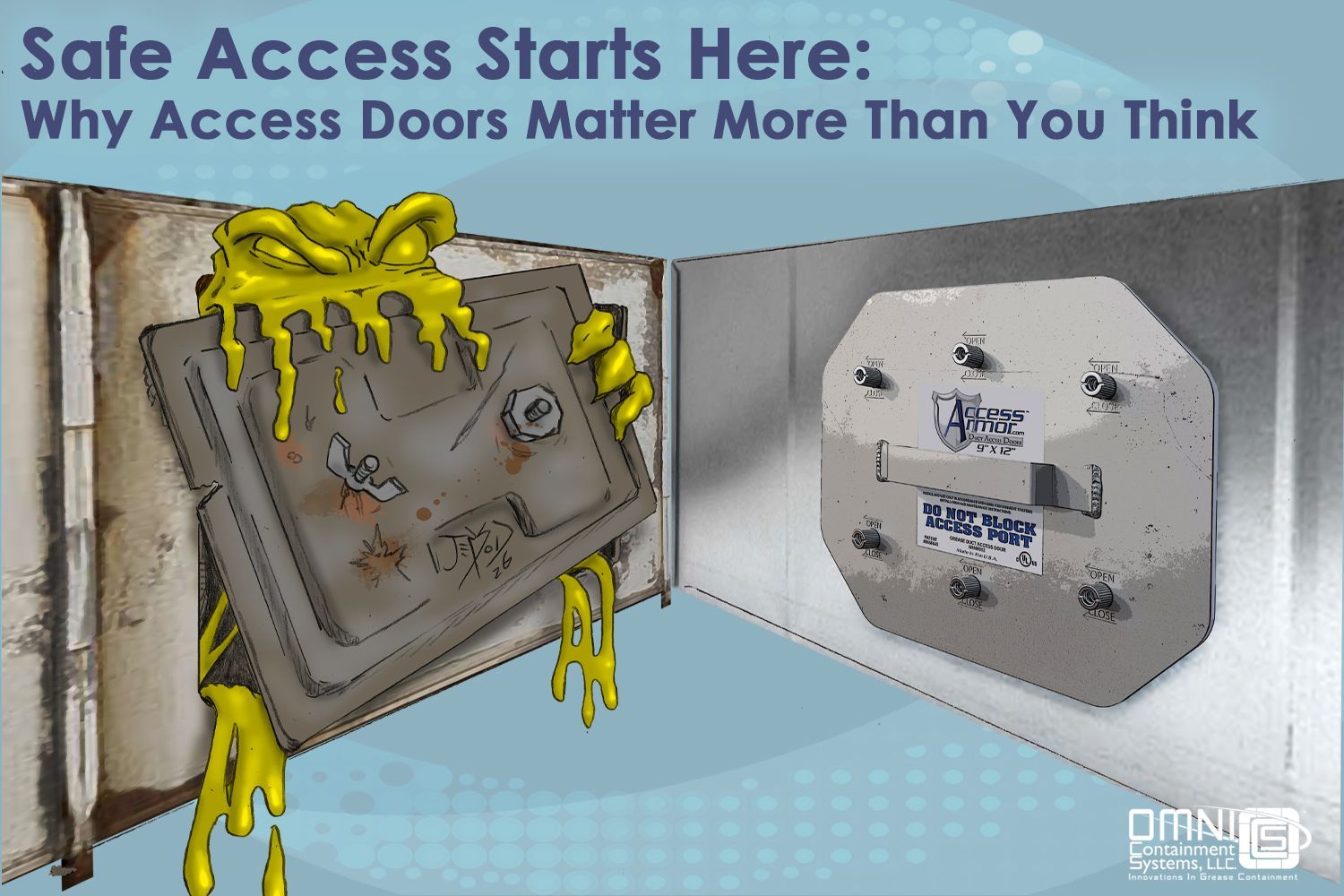
Proper duct access improves safety and cleaning efficiency in kitchen exhaust systems. Learn why Access Armor doors help technicians work safe and stay NFPA compliant.
common duct cleaning mistakes, duct cleaning best practices, ventilation system cleaning errors
by technical 21 February 2026
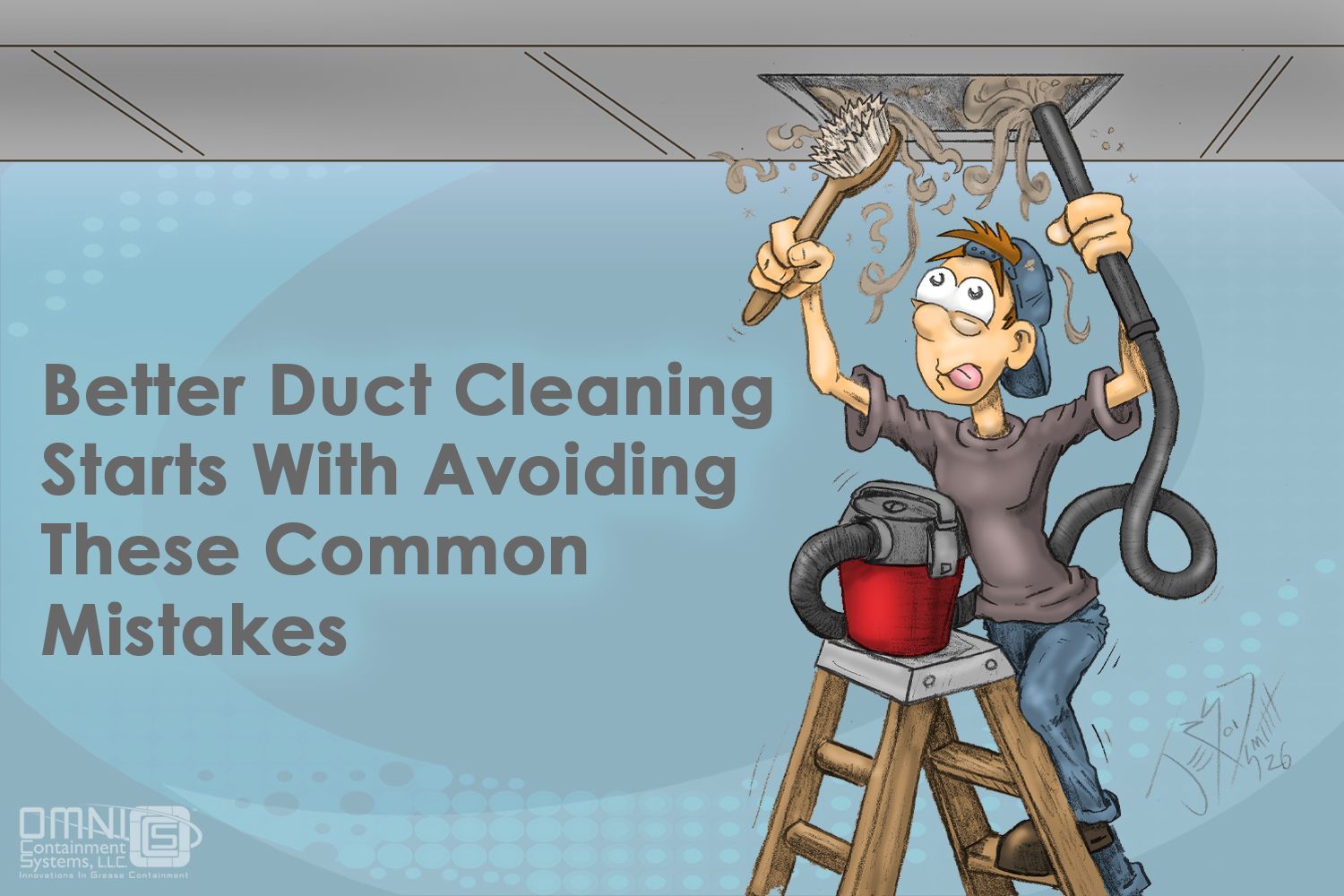
Discover the most common duct cleaning mistakes that reduce air quality and HVAC efficiency. Learn how to improve protocols, avoid costly errors, and choose the right equipment.
grease containment for exhaust fans, rooftop grease solutions, commercial kitchen exhaust safety
by technical 19 January 2026
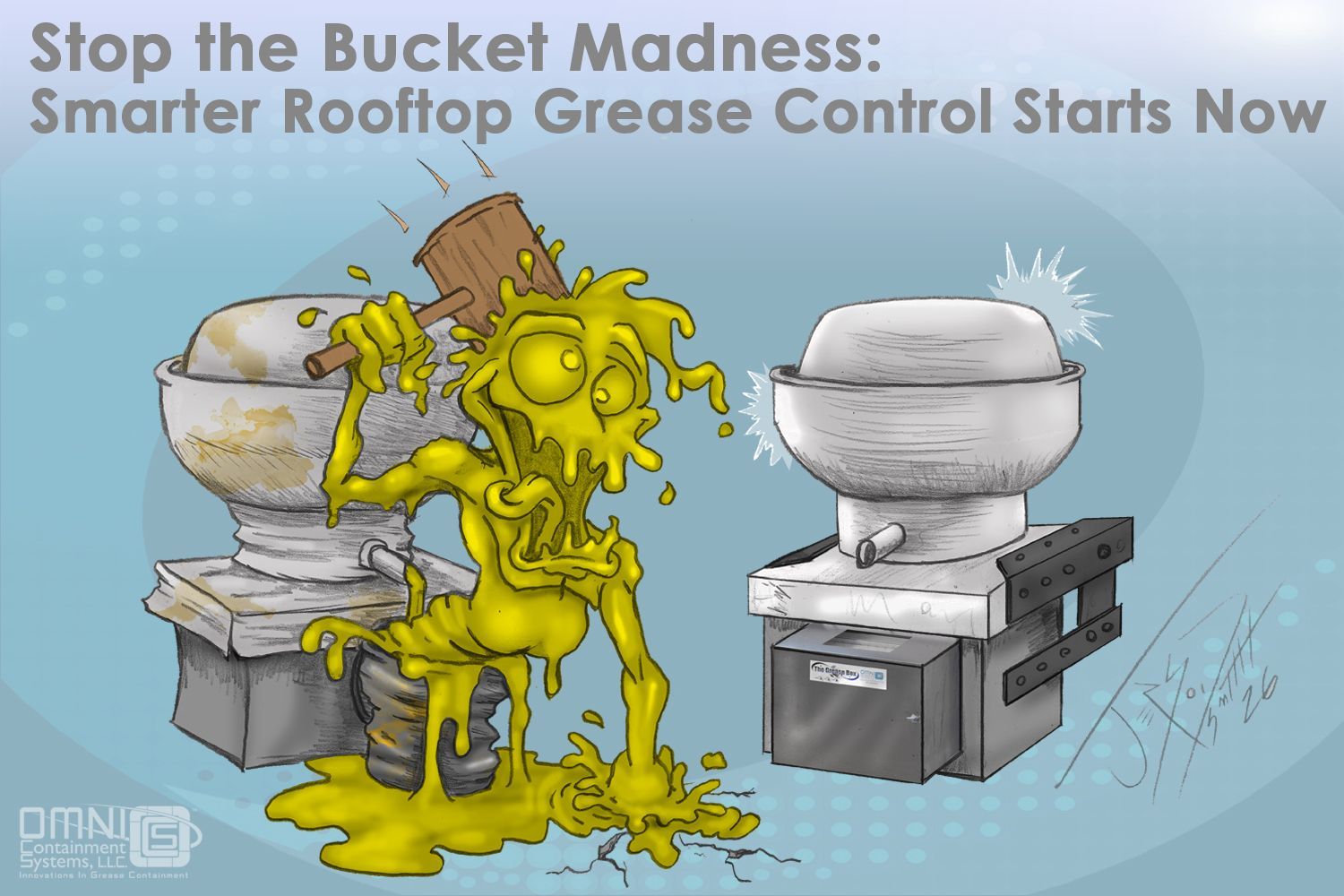
Leave buckets behind in 2026. Discover smarter rooftop grease containment systems, filters, and NFPA 96-compliant solutions from Omni Containment Systems.
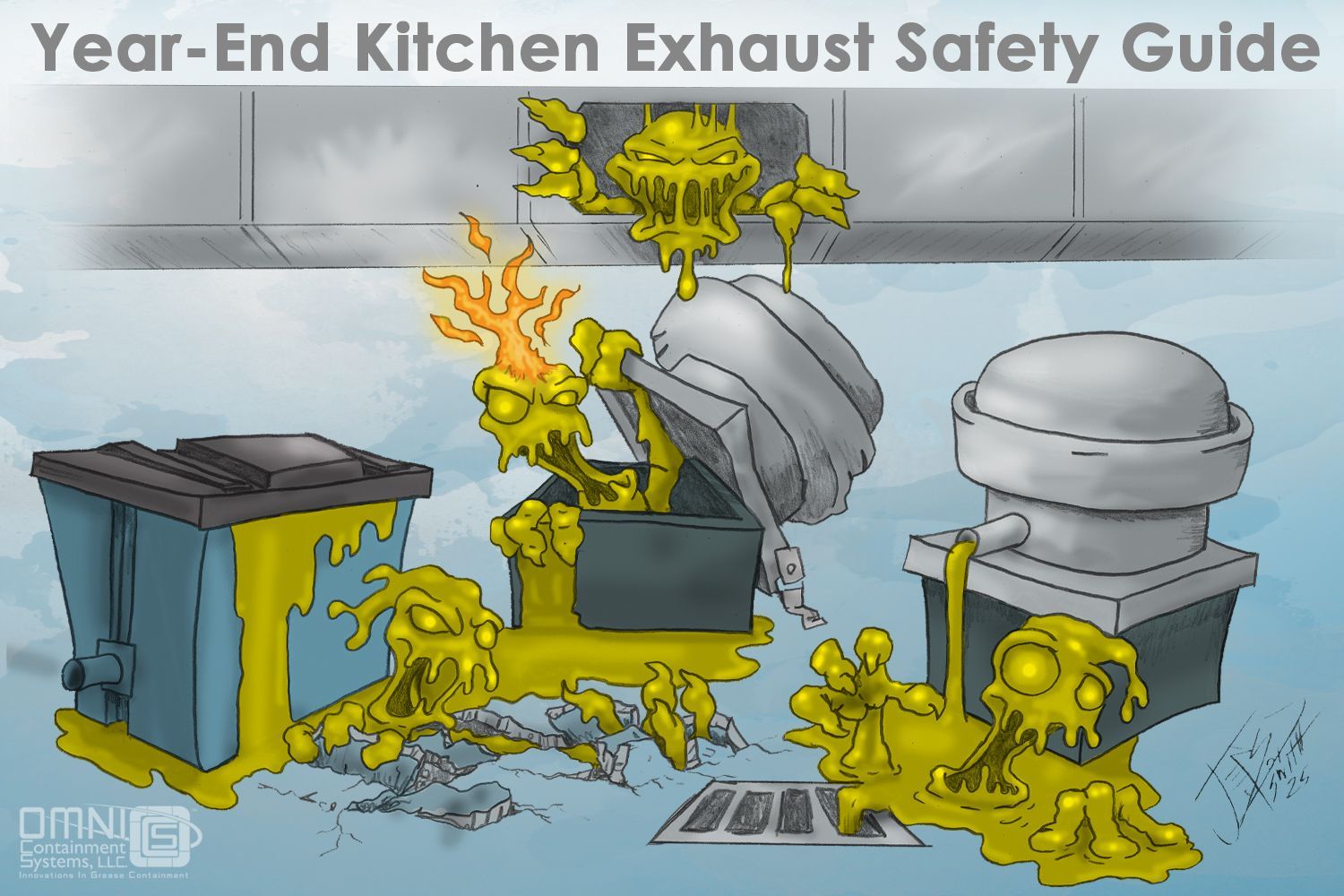
Illustration: kitchen equipment overtaken by yellow, gloopy substance with flaming head, suggesting hazards.
by technical 10 December 2025
Finish the year strong with a rooftop kitchen exhaust system that’s safe, compliant, and winter-ready. Discover common issues to check, filter tips, and NFPA 96-compliant solutions from Omni.
Cartoon of a worker, next to a rooftop fan, reaching for a gooey alien inside the fan's housing.
by technical 12 November 2025
Ensure your rooftop exhaust fans are safe, serviceable, and fully NFPA 96 compliant. Learn why the right hinge matters and explore Omni’s durable, code-compliant hinge kits.
Yellow blob creature, flaming pumpkin, and grease-covered block warn about grease fire dangers in October.
by technical 30 October 2025
Protect your restaurant from costly grease fires. Learn key fire prevention tips, NFPA 96 compliance insights, and rooftop safety solutions from Omni Containment Systems.
More posts