Arm Yourself with These Essential Tools

Arm Yourself with These Essential Tools

Omni Containment Systems is the evolution of an idea that started in 1985. Kevin Chwala, our founder and chief product designer, was an early pioneer in the industry of grease containment. He innovated products for the kitchen exhaust cleaning industry, and Omni Containment Systems continues to provide products that are easy-to-use, efficient, and help keep people and property safe. Several of our products help our clients minimize their time spent during their typical KEC cleanings. Today, we are going to highlight Omni Containment Systems’ top essential tools to better equip your kitchen exhaust cleaning.

The Tegras Concept

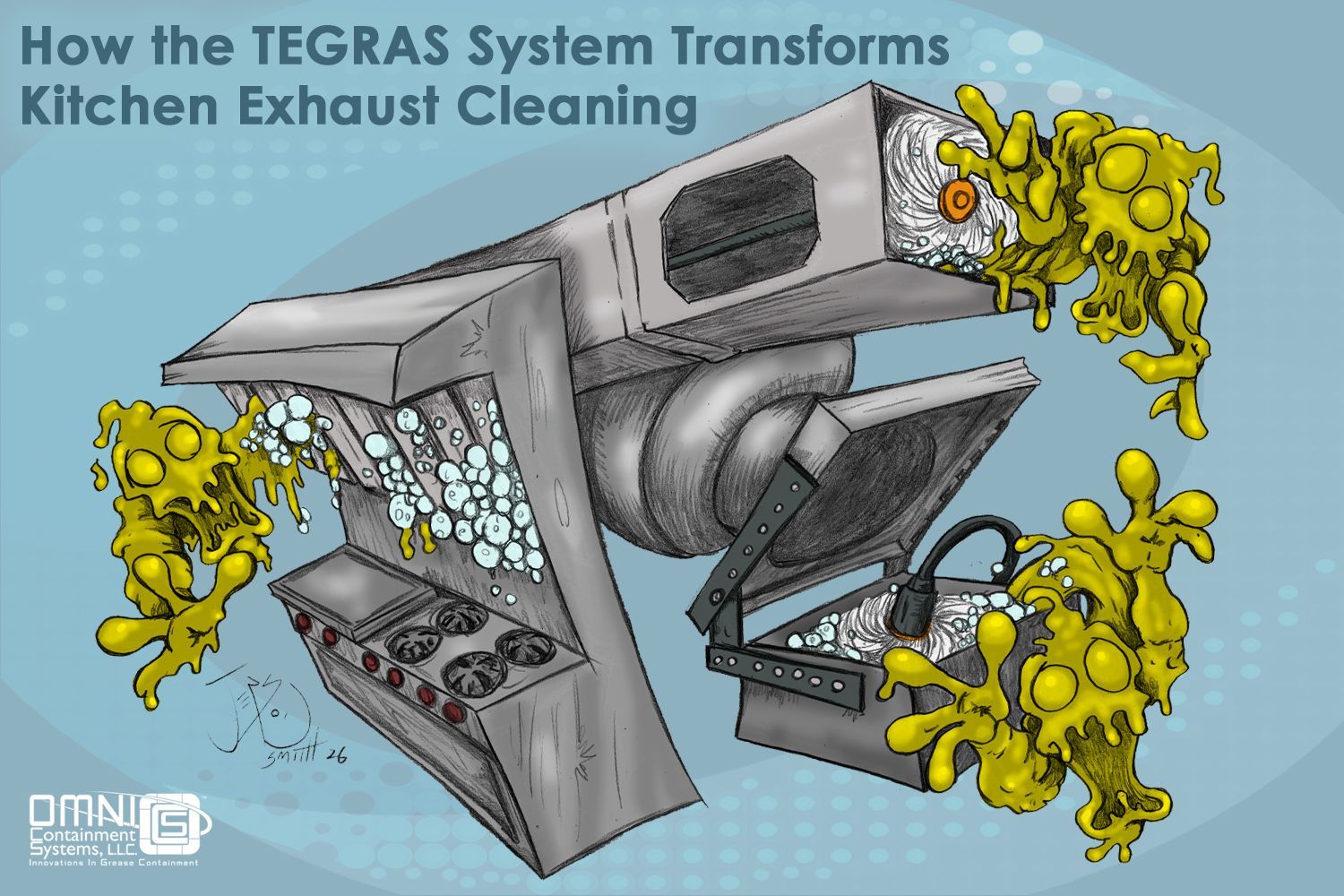
The perfect tool to add to your team is the Tegras concept. The Tegras concept helps our clients minimize their time spent at each kitchen exhaust cleaning, is easy to use, protects their team, and saves them money. KEC providers who have purchased the Tegras concept report that it has saved them thirty to forty-five minutes on average when cleaning the hood alone. The Tegras methodology can reach all spots needing to be cleaned that are typically inaccessible by other methods. This system was engineered to provide a definitive solution to the problem of cleaning kitchen exhaust systems, hoods, ducts, and exhaust fans. With the Tegras concept, you can significantly improve the efficiency of your cleaning process.

Hinges

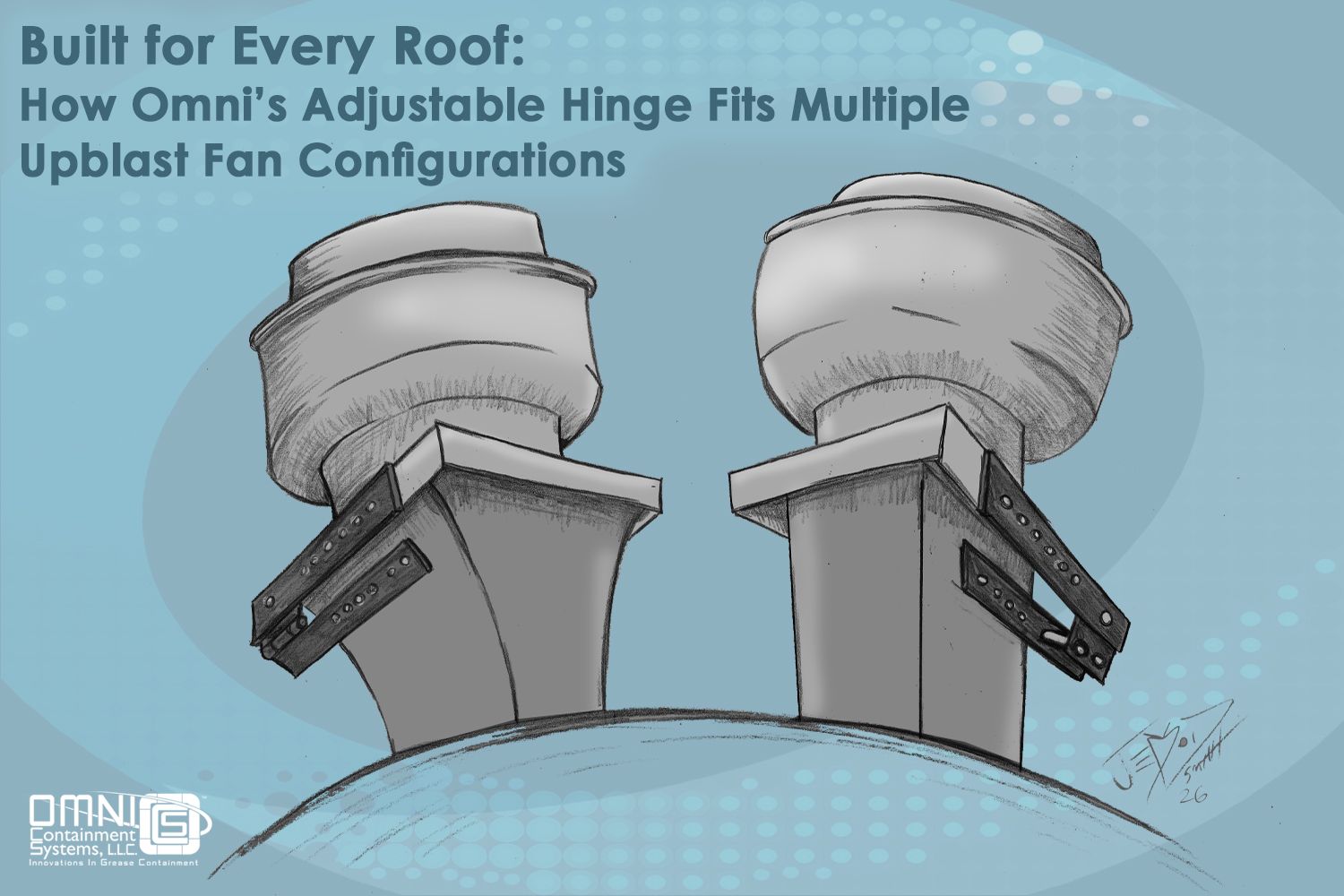
Arm your company with an Omni Containment Super Hinge. Exhaust fans are heavy. So, if there is no hinge kit, then the fan must be lifted off the curb to clean the exhaust system properly. This could cause personal injury. When browsing your hinging options, stability and safety should be your number one priority! You and your employees shouldn’t have to worry about working safely while on a rooftop; that is why the NFPA 96 has made it a requirement for all rooftop fans to be equipped with a hinged service hold open retainer.

Proper hinging can also prevent grease leaks by maintaining the strength of seals. Our patented Super Hinge is the only NFPA 96 compliant hinge on the market. We offer different sizes to provide fans of varying lengths the proper amount of coverage. As stated in previous blogs, hinges should span across at least 60% of the fan base to be considered safe enough for service personnel to clean. This is not an NFPA 96 requirement; 60% is what Omni Containment Systems has found to be the best and safest length.

Access Armor Duct Access Doors

The Access Armor duct access doors are the next essential tool for KEC providers. Many of the Omni customers were very impressed with the Super Hinge and asked Omni to produce our own brand of access doors. Therefore, Kevin put his creative mind to work once again and came up with our patented access door. He addressed one main problem with common access doors which use wing nuts to seal the duct. Wing nuts often are small and difficult to hold and grasp, especially for hood cleaners who often had grease on their hands. Kevin figured that the best way to address this issue was to make the Omni access door self-contained. He patented a “Cam-Lock” design that eliminates misplacing fastening hardware. Another reported problem was strength and durability, many were made of galvanized steel. So, he made the Omni access door with high grade 11 gauge 304 stainless steel. Finally, many access doors on the market were a simple rectangle, having sharp angles to enter and exit. Omni’s Access Armor provides more room for entry and has a more octagonal shape, eliminating those sharp corners.

Grease Away

There is no reason to stress over spilled grease, emulsify it with Grease Away! Traditional cleanup of a grease spill would involve coating the grease saturated area with an absorbent material, such as cat litter, which then needs to be swept off and physically hauled away. That is so messy and time consuming! This is one of the reasons why Grease Away is a popular tool, because there is little to no clean up involved after application. If rainfall occurs 24-72 hours after product application, the saturated Grease Away will be washed away (no cleanup is necessary). If rain doesn’t come, the saturated Grease Away can be washed away using a hose. With Grease Away, you can significantly improve the efficiency of rooftop cleanup and safety.

Grease Containment Filters

Are there measures you can take to stay on top of and ahead of potential grease related headaches? Many restaurants already have some sort of grease containment device on or around the exhaust fan. That’s a good start, but most grease containment systems include absorbent media or filters to hold the grease. Sooner or later, these filters will reach their saturation capacity. The filters must be changed before that happens or else grease will end up wreaking havoc on the roof and environment. To prevent this possibility, a forward-thinking kitchen exhaust cleaning company will stock its trucks with a variety of replacement filters. When the crew comes across a grease containment system that has been neglected, they can rectify the problem right then and there.

Conclusion

Omni Containment Systems’ line of kitchen exhaust cleaning tools are the perfect way to get back more time and money for your company. With the time saved, more restaurants can be cleaned, helping to make your business more money. If you are ready to take your kitchen exhaust cleaning business to the next level, contact an Omni Containment Systems team member. We would be happy to help you choose the perfect tools to elevate your business.

Share This Blog Post!
21 September 2026
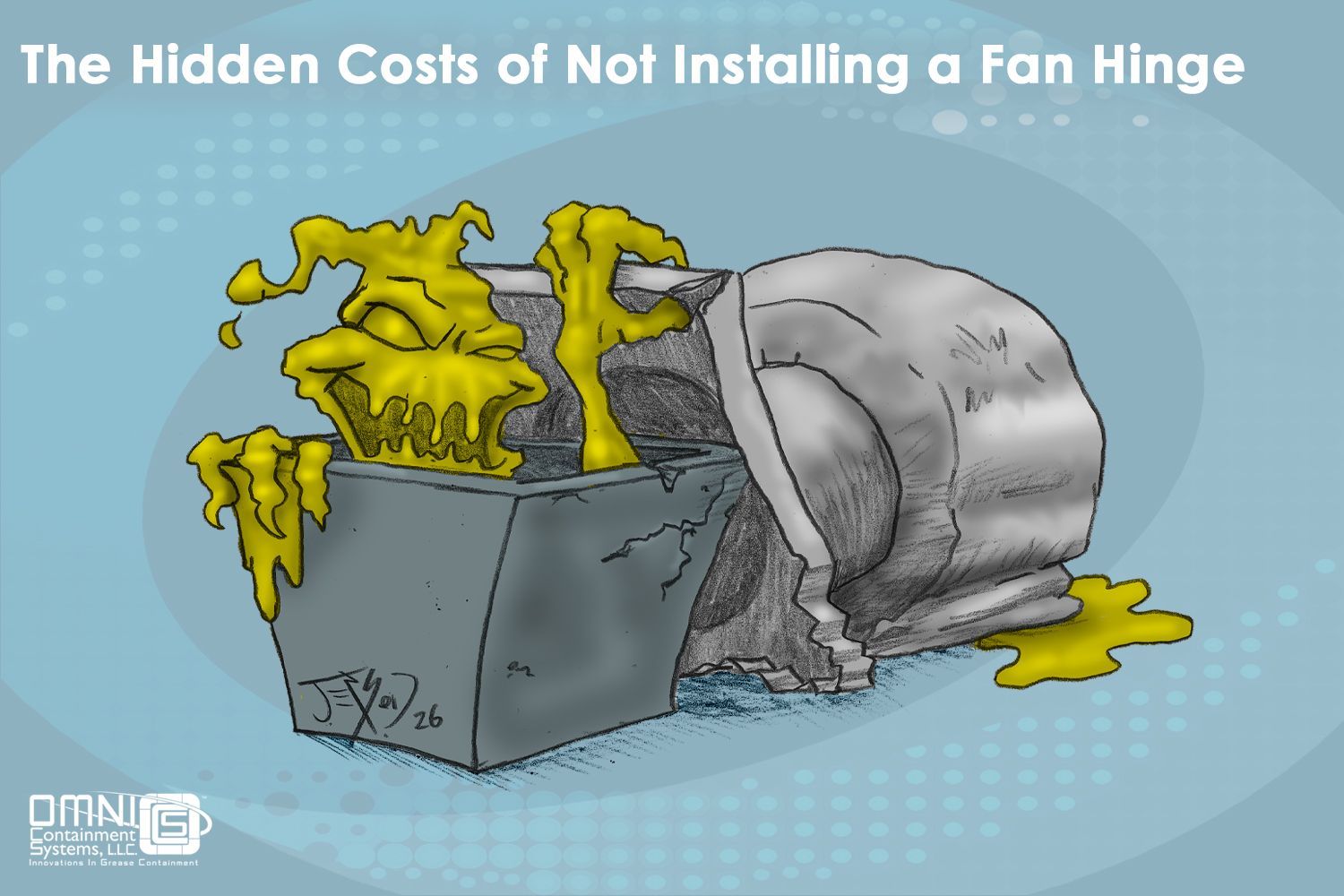
Discover how the right exhaust fan hinge can improve rooftop access, protect equipment, support technician safety, and simplify kitchen exhaust maintenance.
18 August 2026
Discover how Omni’s adjustable exhaust fan hinges adapt to multiple upblast fan configurations while improving access for cleaning and maintenance.
20 July 2026
 Discover how the TEGRAS Kitchen Exhaust Cleaning System—including iFoam PRO, iFoam COMPACT, iBrush, FORTE, and MULTIPRO—improves efficiency, reduces labor, and delivers superior cleaning results.
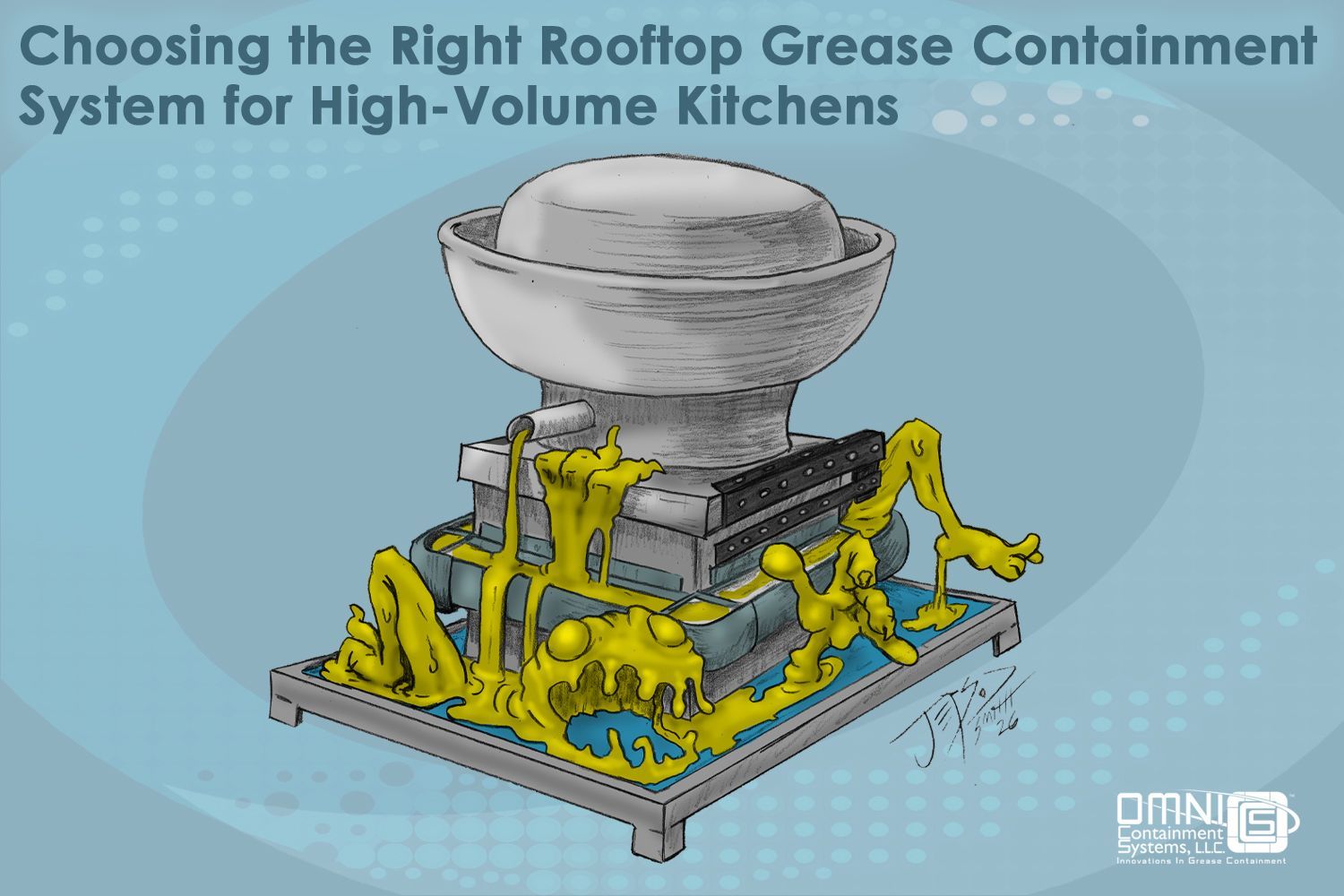
Choosing the Right Rooftop Grease Containment System for High-Volume Kitchens
16 June 2026
Compare Grease Gutter™, Roof Guardian™, The Grease Box™, and EFI™ systems to find the best rooftop grease containment solution for your commercial kitchen.
28 May 2026
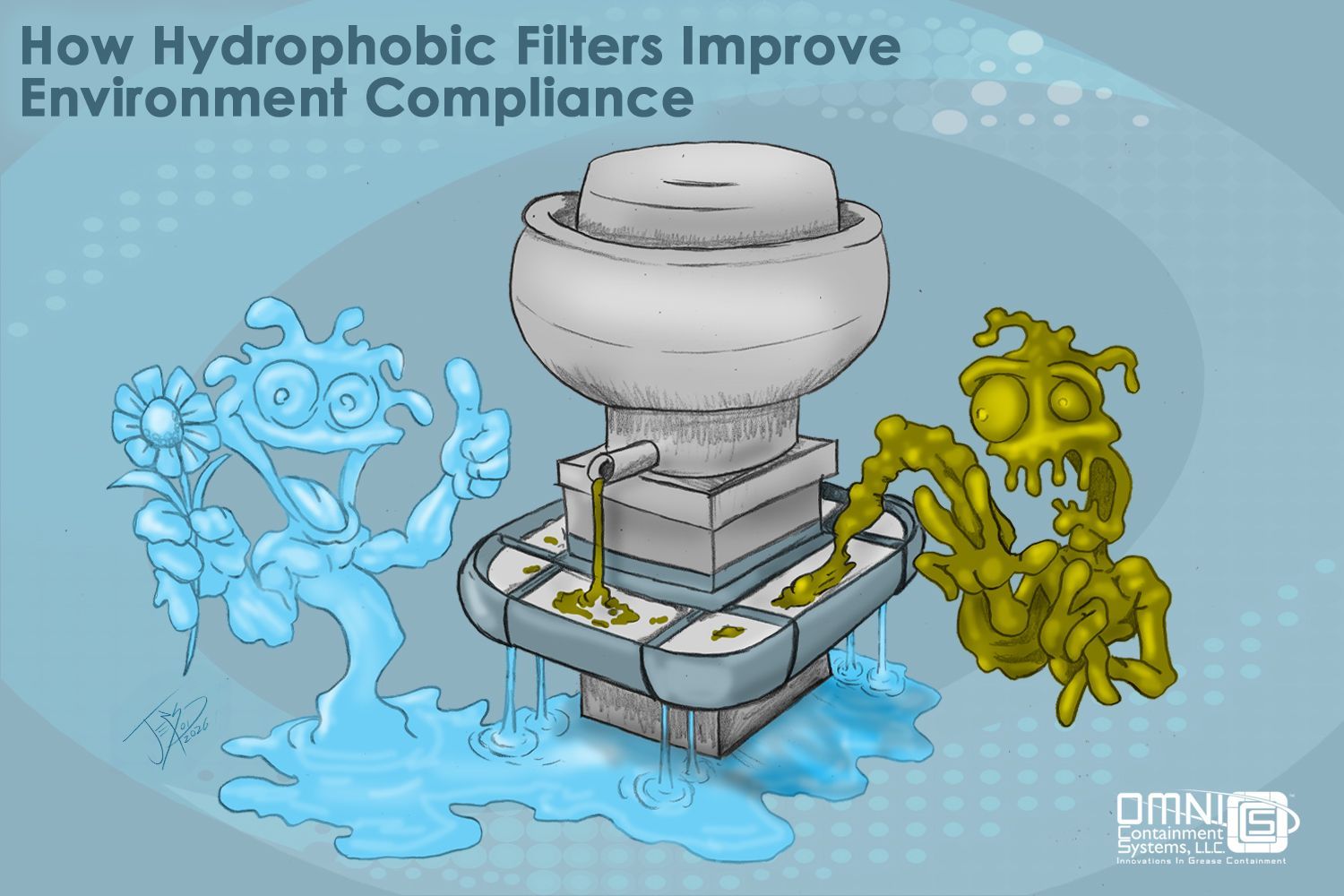
Discover how hydrophobic grease filters improve rooftop greases containment, reduce stormwater pollutions, support EPA compliance, and lower maintenance costs for commercial kitchens.
23 April 2026
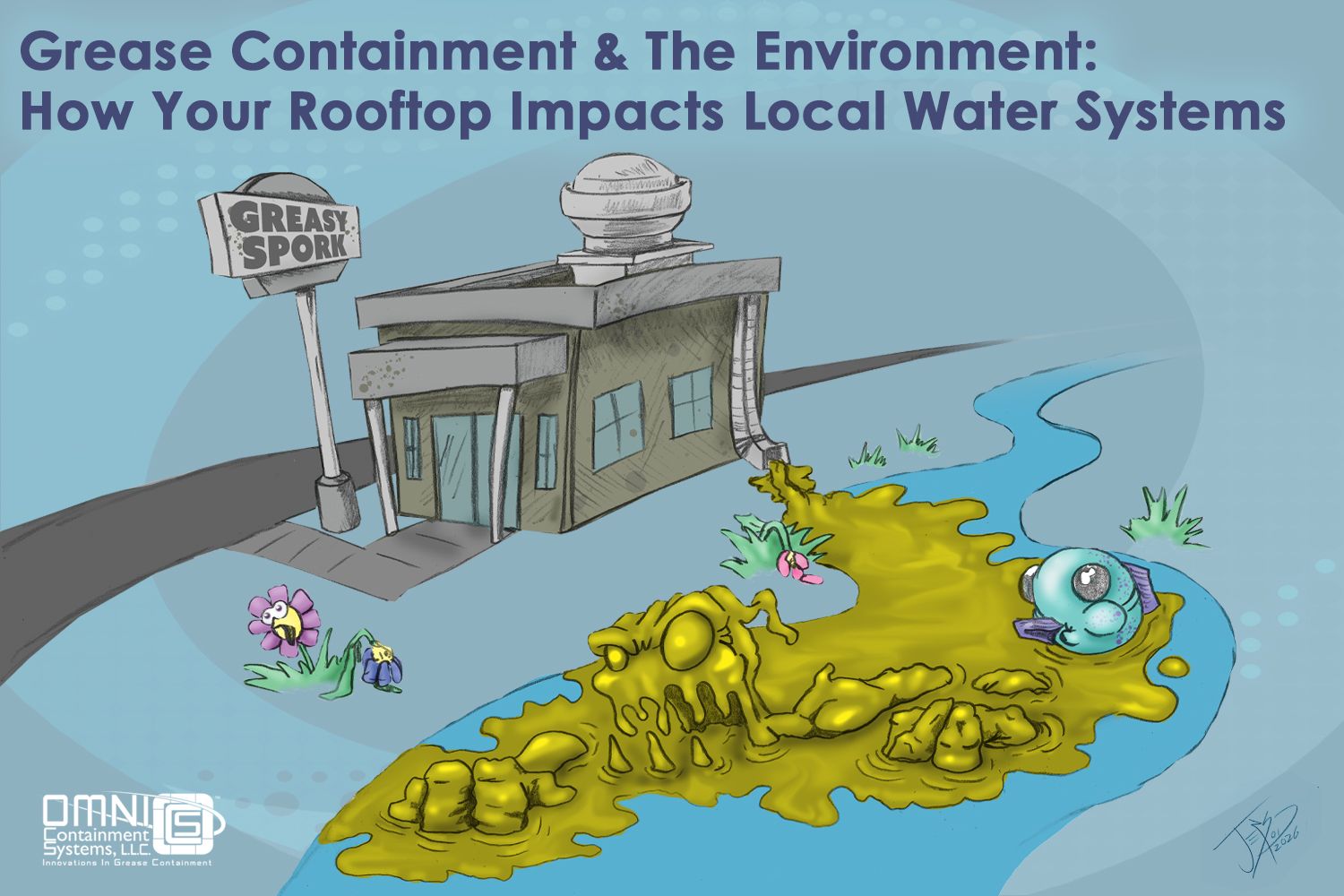
When people think about environmental responsibility in commercial kitchens, they usually focus on what goes down the drain. But one of the most overlooked sources of pollution isn’t inside your facility, it’s on your roof. Rooftop grease runoff from kitchen exhaust systems can have a direct and damaging impact on local water systems, storm drains, and surrounding ecosystems. Without proper containment , that grease doesn’t just disappear, it travels. From Rooftop to Waterway: How Grease Becomes Pollution Commercial kitchen exhaust systems are designed to remove heat, smoke, and airborne grease particles. While hood filters capture some of that grease, a significant amount still passes through the system and accumulates in ductwork and exhaust fans. Over time, this buildup begins to drip onto the roof, spread across roofing materials, and get carried away by rainwater. Once rain hits your roof, it acts as a transport system, moving grease into gutters, downspouts, and ultimately into storm drains. Unlike sanitary sewer systems, stormwater runoff is often discharged directly into local waterways without treatment. As a result, grease from your rooftop can end up in rivers, lakes, municipal stormwater systems, and surrounding soil. Why It Matters: Environmental and Operational Risks The impact of rooftop grease runoff extends beyond a messy roof; it creates real environmental and operational concerns. Grease contains fats, oils, and contaminants that can degrade water quality. When introduced into natural water systems, it can harm aquatic life, disrupt oxygen levels, and contribute to long-term ecosystem damage. At the same time, regulatory compliance is at risk. Local and federal requirements , often tied to EPA stormwater guidelines, mandate that facilities prevent pollutants from entering storm drains. Uncontrolled grease runoff can lead to fines, failed inspections, and increased scrutiny.  There are also direct impacts on your facility. Grease buildup can deteriorate roofing materials, void warranties, and create slip hazards for maintenance personnel. What begins as a rooftop issue can quickly escalate into a costly problem. The Role of Grease Containment Systems A properly designed grease containment system serves as a critical barrier between your exhaust system and the environment. Instead of allowing grease to spread across the roof, these systems capture it at the source, right at the exhaust fan's discharge. Filtration media absorbs and holds the grease, preventing runoff during rain events and reducing the risk of environmental contamination. More advanced systems incorporate multi-stage filtration, improving efficiency while reducing maintenance frequency. The result is a cleaner, safer, and more controlled rooftop environment. Sustainability Starts at the Source Environmental responsibility isn’t just about compliance; it’s about prevention . By addressing grease at the rooftop level, facilities can reduce their environmental footprint, support local water quality initiatives, and align with broader sustainability. For multi-site operators and property managers, this becomes even more important. A single poorly managed rooftop can impact not just one building, but an entire property, or even the surrounding community. Best Practices for Preventing Rooftop Grease Runoff Preventing grease runoff doesn’t require a complete overhaul, but it does require consistency and the right approach . Start by installing a high-quality grease containment system designed for durability and ease of maintenance. From there, regular maintenance is key. Filtration media should be inspected and replaced as needed to ensure the system continues performing effectively. Routine rooftop inspections can help identify buildup early, before it becomes a larger issue. Finally, working with experienced professionals ensures proper system selection and installation, setting up the foundation for long-term performance. A Small Change with a Big Impact Grease containment may seem like a small part of your operation, but its impact extends far beyond your rooftop. By taking proactive steps to manage grease runoff, you’re not only protecting your building, but you’re also helping protect your local environment and water systems. Looking to improve your rooftop grease management? Omni Containment Systems provides innovative solutions designed to keep grease where it belongs, off your roof and out of waterways.
by technical • 25 March 2026
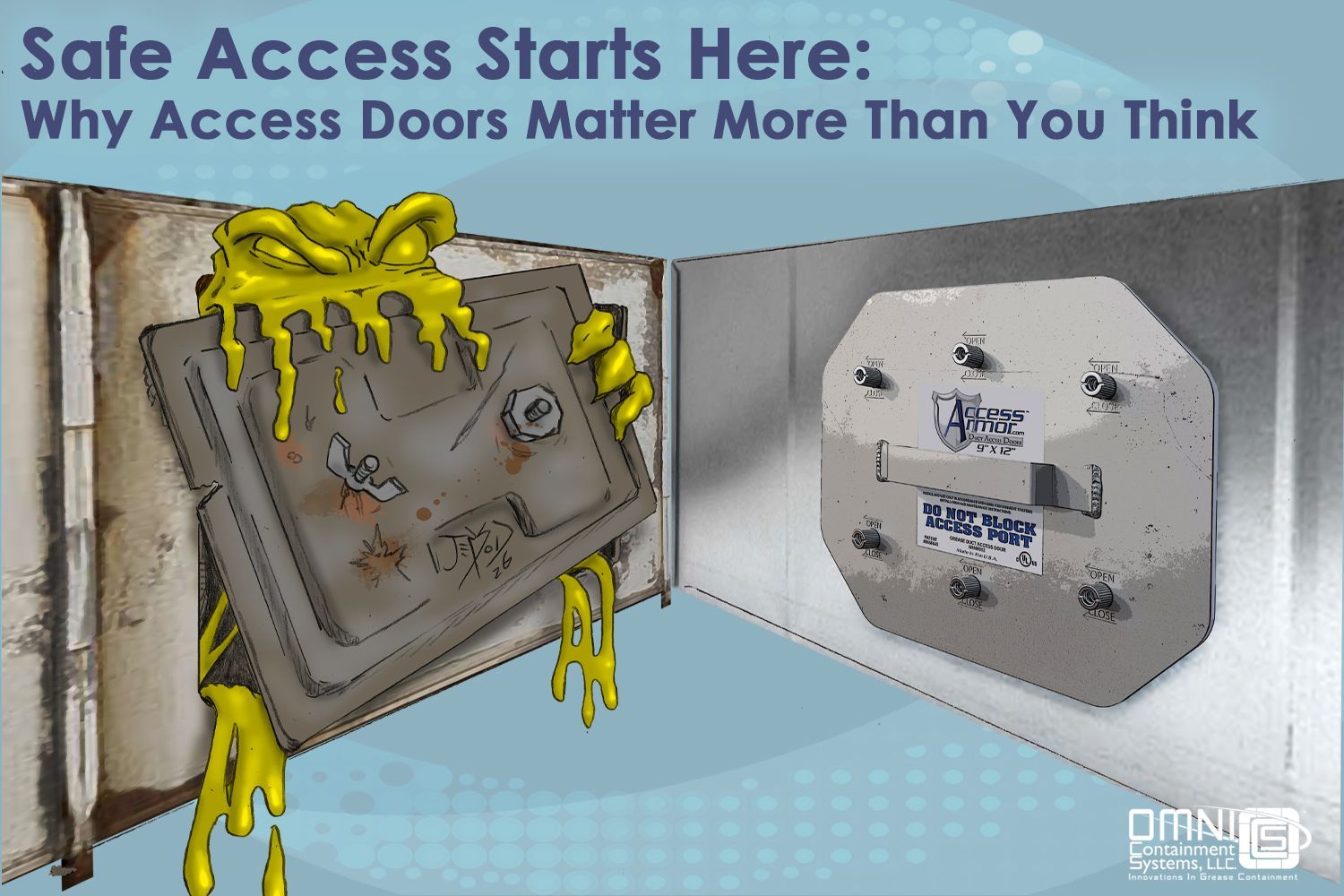
Proper duct access improves safety and cleaning efficiency in kitchen exhaust systems. Learn why Access Armor doors help technicians work safe and stay NFPA compliant.
common duct cleaning mistakes, duct cleaning best practices, ventilation system cleaning errors
by technical • 21 February 2026
Discover the most common duct cleaning mistakes that reduce air quality and HVAC efficiency. Learn how to improve protocols, avoid costly errors, and choose the right equipment.
grease containment for exhaust fans, rooftop grease solutions, commercial kitchen exhaust safety
by technical • 19 January 2026
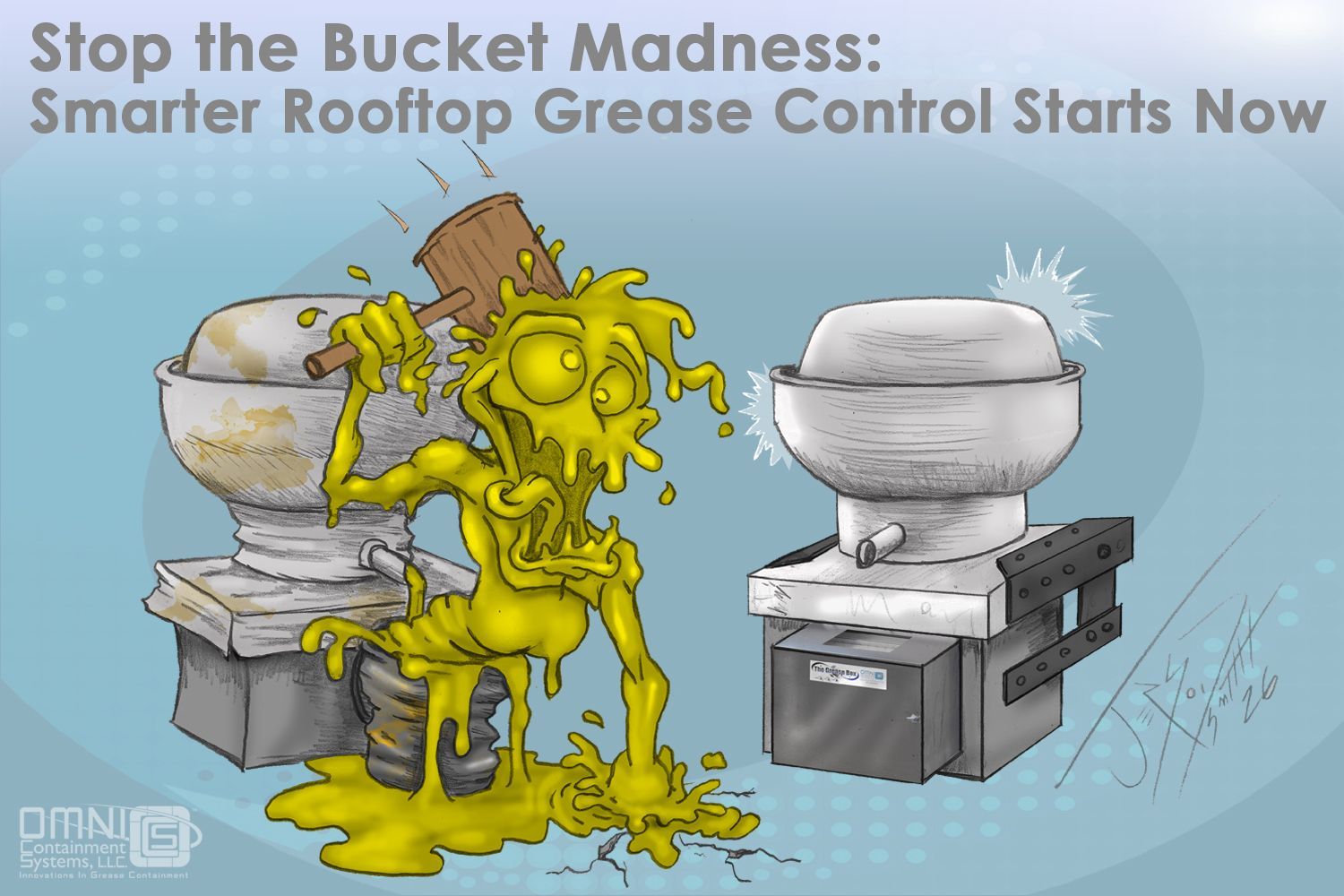
Leave buckets behind in 2026. Discover smarter rooftop grease containment systems, filters, and NFPA 96-compliant solutions from Omni Containment Systems.
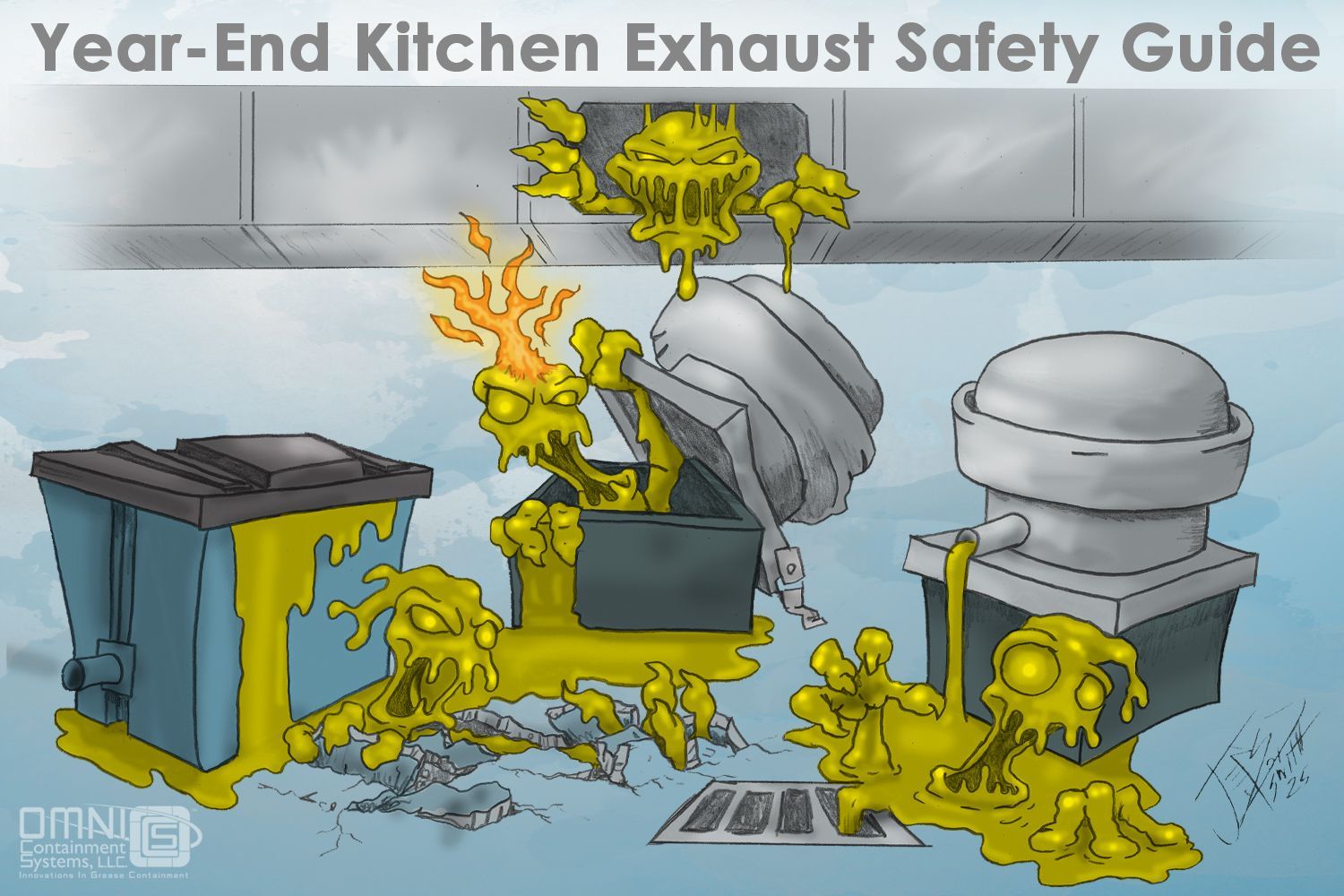
Illustration: kitchen equipment overtaken by yellow, gloopy substance with flaming head, suggesting hazards.
by technical • 10 December 2025
Finish the year strong with a rooftop kitchen exhaust system that’s safe, compliant, and winter-ready. Discover common issues to check, filter tips, and NFPA 96-compliant solutions from Omni.
More posts